


Introduction: The Business That Starts With a Cup of Ice—and Can Change Your Life
It’s the middle of July.
The sun is shining, children are laughing, music drifts across a crowded community festival, and a steady line of customers stretches toward a brightly decorated shaved ice stand.
A little girl studies the menu with complete seriousness before announcing, “Blue Raspberry!” Her younger brother can’t decide between Tiger’s Blood and Cotton Candy. Their parents smile, pull out a card to pay, and step aside while another family joins the line behind them.
The ice shaver hums to life. Fresh, fluffy ice falls into a cup. Vibrant syrup is poured over the top, transforming a simple mound of ice into a colorful summer memory.
The customers leave smiling.
Another order comes in.
Then another.
And another.
To someone passing by, it might look like a busy concession stand selling frozen treats.
To the person behind the counter, it’s something much bigger.
It’s a business they built.
It’s extra income paying off debt.
It’s a family business their children are helping run.
It’s the freedom of working for themselves instead of someone else.
It’s proof that a simple idea—when backed by preparation, hard work, and the right equipment—can grow into something meaningful.
Every successful shaved ice business begins exactly the same way.
Not with a trailer.
Not with the perfect logo.
Not with a commercial ice shaver.
Not even with a business license.
It starts with one question:
“Could I really do this?”
If that’s the question that brought you here, you’re in the right place.
Why This Guide Is Different
If you’ve searched online for how to start a shaved ice business, you’ve probably noticed something frustrating.
Most articles repeat the same generic advice:
- Buy a machine.
- Pick some flavors.
- Find a location.
- Make money.
While none of that is wrong, it barely scratches the surface.
Starting a profitable shaved ice business isn’t about buying equipment and hoping customers show up.
It’s about understanding people.
It’s about choosing the right locations.
It’s about creating an experience families remember.
It’s about learning how to price your products, market your business, manage busy events, and build a reputation that keeps customers coming back every summer.
Most importantly, it’s about avoiding the costly mistakes that cause many first-time entrepreneurs to give up before they ever reach their potential.
This guide was written to help you do more than start.
It was written to help you build something that lasts.
Whether your goal is earning extra income on weekends, replacing your full-time job, creating a family business, or eventually expanding into multiple trailers and event locations, you’ll find practical guidance designed to help you make informed decisions—not expensive guesses.
Our goal at GO CARNIVAL CARTS isn’t simply to sell equipment.
It’s to help entrepreneurs build successful concession businesses with confidence.
Because when our customers succeed, we’ve done our job.
Why So Many People Are Choosing the Shaved Ice Business
Every year, thousands of people dream about owning a business.
Most never begin.
The reasons sound familiar.
“I don’t have enough money.”
“I’ve never owned a business.”
“I don’t know where to start.”
“What if it doesn’t work?”
These are reasonable concerns.
Starting any business involves risk.
But not all businesses require the same level of investment, complexity, or overhead.
A shaved ice business is unique because it removes many of the barriers that prevent people from becoming entrepreneurs.
Unlike opening a restaurant, you don’t need a massive kitchen, dozens of employees, or an inventory of perishable ingredients.
Unlike launching a retail store, you don’t need thousands of products sitting on shelves.
Unlike many franchises, you aren’t paying ongoing royalty fees or following someone else’s vision.
Instead, you’re building a business around a product that is simple to make, widely loved, highly customizable, and capable of producing attractive profit margins when operated well.
That simplicity is one of its greatest strengths.
But don’t mistake simple for easy.
A successful shaved ice business still requires planning, consistency, excellent customer service, and a willingness to keep learning.
The good news?
Every one of those skills can be learned.
More Than a Summer Job
One of the biggest misconceptions about the shaved ice industry is that it’s “just a summer business.”
For some owners, that’s exactly what they want.
Teachers operate during school vacations.
College students earn tuition money over the summer.
Families create seasonal income together.
Retirees stay active while earning additional income.
But many entrepreneurs discover opportunities that extend far beyond the hottest months of the year.
Depending on your location, a shaved ice business can also serve:
- School sporting events
- Community festivals
- Church gatherings
- Birthday parties
- Weddings
- Corporate celebrations
- Food truck rallies
- Farmers markets
- Holiday events
- Fundraisers
- County fairs
- Concerts
- Private catering
Some operators even expand into complementary products such as popcorn, cotton candy, fresh lemonade, or specialty beverages, creating multiple income streams from a single event.
The point isn’t that every shaved ice business becomes a large company.
The point is that you’re building a business with room to grow in the direction that fits your goals.
Success doesn’t have to look the same for everyone.
Is This Business Right for You?
Here’s something you won’t hear often enough.
Not everyone should start a shaved ice business.
And that’s okay.
Owning a business isn’t about finding the easiest way to make money.
It’s about finding the right fit for your personality, goals, and lifestyle.
People who often thrive in this business tend to enjoy:
- Meeting new people.
- Working outdoors.
- Creating positive customer experiences.
- Being part of community events.
- Solving problems as they arise.
- Learning new skills.
- Taking ownership of their success.
You don’t need previous food service experience.
You don’t need a business degree.
You don’t need years of management experience.
Many successful owners begin with none of those things.
What they do have is a willingness to learn, adapt, and consistently show up.
That matters far more than having all the answers on day one.
The Entrepreneur’s Mindset: Building Before You Believe
Every business owner remembers the moment before they started.
It’s a strange combination of excitement and uncertainty.
You imagine customers lining up.
Then you wonder if anyone will come.
You picture yourself running your own business.
Then you question whether you’re qualified.
This cycle is completely normal.
Confidence rarely appears before action.
More often, confidence is the result of action.
The first event teaches you more than weeks of research.
The first satisfied customer gives you more confidence than another motivational video.
The first profitable weekend proves that your idea can work.
Waiting until you feel completely ready is one of the easiest ways to never begin.
Preparation matters.
Research matters.
Planning matters.
Perfection does not.
One of the greatest advantages small business owners have is the ability to improve quickly.
Your first menu won’t be your final menu.
Your first event won’t be your busiest event.
Your first setup won’t be your best setup.
And that’s exactly how businesses grow.
They evolve.
The Business You’re Really Building
At first glance, it may seem like you’re selling shaved ice.
In reality, you’re building something much more valuable.
You’re building trust.
When parents bring their children to your stand, they’re trusting that you’ll provide clean, quality products.
When an event organizer invites you back next year, they’re trusting that you’ll show up prepared and serve guests efficiently.
When customers recommend you to their friends, they’re putting their reputation behind yours.
Those moments are worth far more than a single sale.
Businesses are built one customer at a time.
Reputations are built one experience at a time.
Long-term success isn’t created by having the lowest prices.
It’s created by consistently giving people a reason to return.
That principle will appear again and again throughout this guide because it’s one of the foundations of every successful concession business.
What You’ll Learn in This Guide
By the time you finish reading, you’ll understand:
- How much it really costs to start a shaved ice business.
- The equipment you actually need—and what can wait.
- How to choose profitable locations.
- How to price your products for healthy profit margins.
- Which mistakes new owners make most often.
- How to market your business before opening day.
- How to create memorable customer experiences.
- How to grow from a single stand into a thriving business.
- And how to make decisions that set you up for long-term success instead of short-term excitement.
You’ll also find practical checklists, planning tools, real-world examples, and honest advice designed to help you avoid expensive mistakes.
This isn’t about chasing overnight success.
It’s about building something you’re proud of.
One Decision Can Change Everything
A year from now, you’ll still remember today.
Not because you read another article on the internet.
But because today might become the day you stopped wondering whether you could own a business—and started learning how.
Every established company began with someone who knew less than they do now.
Every successful entrepreneur once faced uncertainty.
Every experienced concession operator once served their very first customer.
No one begins as an expert.
They become one through consistent learning, thoughtful decisions, and the willingness to keep moving forward.
If you’re willing to invest in yourself, serve your community well, and approach this business with patience and professionalism, there is every reason to believe you can build something meaningful.
The journey starts here.
In the next chapter, we’ll answer one of the biggest questions every future owner asks:
Is starting a shaved ice business in 2026 actually profitable?
We’ll break down the numbers, realistic earning potential, startup costs, and what separates businesses that thrive from those that struggle.
Chapter 2: Is Starting a Shaved Ice Business in 2026 Actually Profitable?
“Can I really make money selling shaved ice?”
It’s probably the first question every future owner asks.
It’s also the right question.
Passion is important.
Excitement is helpful.
But neither of those things pays your bills.
If you’re going to invest your time, your savings, and your weekends into building a business, you deserve an honest understanding of its financial potential.
The short answer?
Yes—a shaved ice business can be extremely profitable.
But here’s the part most articles leave out.
Profitability isn’t built into the product. It’s built into the business.
The entrepreneurs who consistently earn strong profits aren’t necessarily the ones with the biggest trailers or the most expensive equipment.
They’re the ones who understand locations, customer experience, pricing, marketing, and operational efficiency.
That’s exactly what this guide is going to teach you.
Let’s Talk About Reality, Not Internet Hype
If you’ve spent time researching concession businesses online, you’ve probably seen headlines like:
“Make $2,000 in a day!”
“Earn six figures selling snow cones!”
“Start a business for almost nothing!”
Could those things happen?
Yes.
Should you expect them immediately?
No.
One of the quickest ways to become discouraged is to compare your first season to someone else’s tenth.
Every successful shaved ice business has a learning curve.
Your first festival teaches you something.
Your first slow weekend teaches you something.
Your first sold-out event teaches you something else.
Growth doesn’t happen because you bought a machine.
Growth happens because every event makes you a better business owner.
That mindset is what separates businesses that survive from those that disappear after one summer.
Why the Shaved Ice Industry Is So Attractive
Every business has two sides:
Revenue
and
Expenses.
Some businesses generate impressive sales but also carry enormous costs.
Restaurants often require:
- Large commercial kitchens
- High rent
- Multiple employees
- Expensive equipment
- Large food inventories
- Significant food waste
Now compare that to a well-run shaved ice business.
Your core ingredients are remarkably simple:
- Ice
- Syrup
- Cups
- Spoon straws
- Napkins
That’s one of the reasons so many entrepreneurs are drawn to this industry.
The simplicity allows owners to focus on customer service, speed, branding, and finding great events rather than managing hundreds of ingredients.
Simple doesn’t mean effortless.
But it does create opportunities that many other food businesses don’t have.
The Biggest Advantage Most People Never Think About
Imagine owning two businesses.
Business A sells products that expire every few days.
Business B sells products with ingredients and supplies that generally have much longer shelf lives when stored properly.
Which business carries less inventory risk?
One of the overlooked advantages of shaved ice is flexibility.
Many supplies don’t become worthless overnight if you have a slow weekend.
That gives new owners room to learn without constantly worrying about throwing away large amounts of unsold inventory.
For a first-time entrepreneur, that’s a meaningful advantage.
Understanding Your Startup Investment
One of the biggest misconceptions about starting a shaved ice business is that you need tens of thousands of dollars before you can begin.
In reality, your startup costs depend on the type of business you want to build.
There isn’t one “correct” way to start.
Some entrepreneurs begin with a simple pop-up tent at community events.
Others invest in a professionally wrapped trailer designed for high-volume festivals.
Neither approach is automatically better.
The best choice depends on your goals, budget, and local market.
Here’s a general comparison:
| Business Model | Typical Investment | Best For |
|---|---|---|
| Pop-Up Tent | Lower | First-time entrepreneurs and weekend events |
| Push Cart | Lower to Moderate | Parks, schools, fairs, walkable areas |
| Mobile Cart | Moderate | Festivals and community events |
| Concession Trailer | Moderate to Higher | Large festivals, full-time operations |
| Permanent Storefront | Highest | Established businesses with year-round demand |
The important lesson isn’t choosing the biggest setup.
It’s choosing the setup that allows you to operate confidently while leaving room to grow.
Many successful operators didn’t begin with a trailer.
They earned their trailer.
The Difference Between Cost and Value
This is one lesson that experienced business owners understand instinctively.
Cheaper isn’t always less expensive.
Imagine two entrepreneurs.
Both purchase shaved ice machines.
The first chooses the least expensive option available.
The second invests in a dependable commercial machine built for frequent use.
At first glance, the first owner appears to have saved money.
But imagine what happens during the busiest Saturday festival of the summer.
The inexpensive machine overheats.
Customers begin waiting.
The line gets longer.
Some families leave.
Sales disappear.
Meanwhile, the second owner keeps serving customers without interruption.
That difference isn’t about the machine.
It’s about reliability.
Business owners don’t buy equipment because they enjoy spending money.
They invest because dependable equipment protects opportunities.
Every hour your equipment performs consistently is another hour your business can serve customers.
That’s why experienced operators often talk about equipment as an investment rather than an expense.
Profit Is Built Before Opening Day
Many people believe profits begin with the first customer.
In reality, profitability begins much earlier.
It begins with decisions like:
- Choosing the right equipment.
- Buying quality supplies.
- Finding the right events.
- Pricing correctly.
- Designing an efficient workflow.
- Preparing enough inventory.
- Marketing before opening.
Every smart decision made before opening day increases your chances of a profitable season.
Business owners rarely “get lucky.”
They prepare well.
Where the Real Money Is Made
Here’s a secret that surprises many new entrepreneurs.
The most successful shaved ice businesses don’t simply sell shaved ice.
They sell convenience.
They sell speed.
They sell atmosphere.
They sell memories.
Think about your favorite local fair.
People aren’t standing in line because they’re desperately craving flavored ice.
They’re buying part of the experience.
They’re treating their children.
Cooling off together.
Celebrating summer.
Enjoying an afternoon with friends.
When you understand that, everything changes.
Your logo matters.
Your presentation matters.
Your customer service matters.
Your cleanliness matters.
Your music matters.
Even your smile matters.
People remember experiences far longer than they remember prices.
Can This Become a Full-Time Business?
Absolutely.
Many owners begin with a single goal:
“I’d like to earn extra income on weekends.”
Then something interesting happens.
Customers invite them to birthday parties.
Schools recommend them for field days.
Churches ask about fundraisers.
Companies request employee appreciation events.
Festival organizers book them for next season before this season even ends.
Little by little, a side business begins to grow.
Some owners are perfectly happy keeping it that way.
Others eventually purchase:
- Additional carts
- Additional trailers
- More employees
- Larger event contracts
- Multiple locations
Neither path is better.
Success is personal.
For one entrepreneur, success means paying for family vacations.
For another, it means replacing a corporate career.
For someone else, it means creating a business they can eventually pass on to their children.
The beauty of this industry is that it leaves room for all of those goals.
Common Financial Mistakes That Hurt New Owners
If there is one pattern we’ve seen repeatedly, it’s this:
Many new entrepreneurs focus on saving money instead of making smart investments.
There’s a difference.
Some of the most common mistakes include:
- Underpricing products because they’re afraid customers won’t buy.
- Purchasing equipment that can’t keep up during busy events.
- Ignoring branding because they see it as an unnecessary expense.
- Waiting too long to market their business.
- Accepting every event instead of choosing profitable ones.
- Failing to track expenses carefully.
- Running out of popular flavors during peak demand.
These mistakes are avoidable.
Throughout this guide, we’ll show you how to avoid them before they cost you sales.
The Best Investment You’ll Ever Make
Surprisingly, the best investment isn’t your trailer.
It isn’t your machine.
It isn’t your tent.
It’s your knowledge.
Equipment can always be upgraded.
Trailers can always be expanded.
Menus can always be redesigned.
But understanding how to run a successful business will continue paying dividends long after your first season.
That’s why you’re here.
Every chapter you read is an investment in making better decisions before spending your first dollar.
That’s how successful businesses are built.
A Different Way to Think About Profit
Imagine standing at your first event.
Your banner is hanging.
Your syrups are organized.
The first customer walks toward your stand.
They’re not thinking about your business plan.
They don’t know how many hours you spent preparing.
They don’t know how much equipment cost.
They simply want a refreshing treat.
Your job is simple.
Serve them so well that they leave smiling.
If you do that consistently, profit becomes the natural result of creating value.
The owners who stay in this business for years understand this better than anyone.
They don’t chase transactions.
They build relationships.
And relationships build businesses.
Coming Up Next
Now that you understand why shaved ice can be such an attractive business opportunity, it’s time to answer the next question every entrepreneur asks:
“How much does it actually cost to start?”
In the next chapter, we’ll break down every major startup expense—from commercial shaved ice machines and concession trailers to syrups, permits, point-of-sale systems, generators, branding, and the hidden costs many first-time owners never see coming.
By the end of the next chapter, you’ll have a realistic roadmap for building your startup budget with confidence.
Chapter 3: How Much Does It Cost to Start a Shaved Ice Business in 2026?
One of the biggest questions every aspiring entrepreneur asks is:
“How much money do I actually need to start?”
It’s a fair question, but there’s no single answer.
You can start a shaved ice business with a modest investment and grow over time, or you can launch with a fully equipped concession trailer and a larger upfront budget.
The important thing isn’t starting with the biggest setup.
It’s starting with a setup that makes sense for your goals, your market, and your finances.
One of the biggest mistakes new entrepreneurs make is believing they have to “go all in” from day one. In reality, many successful businesses begin small, learn what works, reinvest their profits, and expand over time.
Think of your first season as building the foundation of your business—not the finished house.
Start With Your Vision
Before you buy a single piece of equipment, ask yourself one question:
What kind of business do I want to own one year from now?
Your answer will shape every purchasing decision you make.
Do you picture:
- Working local weekend festivals?
- Serving at youth sports tournaments?
- Operating at county fairs and carnivals?
- Catering birthday parties and weddings?
- Running a full-time mobile business?
- Building multiple concession trailers in the future?
There isn’t a right or wrong answer.
The clearer your vision, the easier it becomes to decide where your money should—and shouldn’t—go.
Understanding Startup Costs
Every shaved ice business has two types of expenses:
One-Time Startup Costs
These are purchases you’ll make before opening.
Examples include:
- Commercial shaved ice machine
- Concession cart or trailer
- Canopy tent
- Generator
- Coolers
- Initial inventory
- Business branding
- Menu boards
- Cash drawer or POS system
- Basic tools and utensils
These investments help you launch your business.
Ongoing Operating Costs
These are recurring expenses you’ll continue paying as your business grows.
Examples include:
- Flavor syrups
- Cups
- Spoon straws
- Napkins
- Ice
- Fuel
- Event vendor fees
- Insurance
- Equipment maintenance
- Marketing
- Payment processing fees
Understanding the difference between startup costs and operating costs helps you avoid one of the most common budgeting mistakes—spending everything on equipment and forgetting you still need money to operate.
The Essential Equipment Checklist
Many first-time owners are surprised by how much equipment is involved.
Beyond the shaved ice machine itself, you’ll likely need several supporting items to operate efficiently.
Core Equipment
- Commercial shaved ice machine
- Ice storage solution
- Flavor syrup bottles
- Syrup pumps
- Serving cups
- Spoon straws
- Coolers
- Food-safe containers
- Cash box or POS system
- Extension cords
- Cleaning supplies
- Handwashing station (where required)
- Trash containers
These aren’t glamorous purchases, but they create a smoother operation and a better customer experience.
Choosing the Right Shaved Ice Machine
If there’s one purchase that deserves careful thought, it’s your shaved ice machine.
This machine will become the heart of your operation.
A reliable commercial machine should:
- Produce consistently fluffy shaved ice.
- Handle busy events without slowing down.
- Be easy to clean.
- Be simple to maintain.
- Have readily available replacement parts.
- Be supported by dependable customer service.
Many new owners focus only on price.
Experienced owners often ask a different question:
“Can this machine help me serve hundreds of customers during my busiest day?”
That’s a much better way to evaluate equipment.
Should You Buy New or Used Equipment?
Buying used equipment can reduce your startup investment, but it also comes with risks.
When considering used equipment, ask:
- Has it been maintained properly?
- Are replacement parts still available?
- Does it shave consistent ice?
- Are there signs of excessive wear?
- Can it handle commercial use?
Sometimes buying used is a smart decision.
Other times, paying more for dependable equipment saves money over the long run.
The cheapest option isn’t always the least expensive once repairs, downtime, and lost sales are taken into account.
Don’t Forget About Branding
Many entrepreneurs think branding can wait.
That’s understandable.
When you’re buying equipment and supplies, spending money on signs or logos may not seem urgent.
But here’s something worth considering.
Imagine walking through a busy festival.
One shaved ice stand has:
- A clean logo
- Matching colors
- Easy-to-read menu
- Professional signage
- Friendly uniforms
Another has handwritten prices on poster board and mismatched supplies.
Which one feels more trustworthy?
Branding isn’t about looking fancy.
It’s about creating confidence.
People naturally gravitate toward businesses that look organized and professional.
Building a Startup Budget
Rather than asking:
“What’s the cheapest way to start?”
Ask:
“What do I need to operate professionally?”
A practical startup budget should include:
- Equipment
- Inventory
- Permits
- Insurance
- Event fees
- Marketing
- Emergency reserve
That last category is often forgotten.
Unexpected expenses happen.
A generator may need repairs.
Weather may cancel an event.
You may discover that one flavor sells much faster than expected.
Having a financial cushion gives you flexibility instead of stress.
Spend Where Customers Notice
Every dollar you invest should improve one of three things:
Customer Experience
Examples include:
- Better ice texture
- Faster service
- Cleaner presentation
- Easier ordering
Reliability
Examples include:
- Commercial equipment
- Backup supplies
- Durable carts
- Dependable power sources
Growth
Examples include:
- Professional branding
- Website
- Online booking
- Social media marketing
- Customer loyalty programs
If an expense improves one or more of these areas, it’s usually worth serious consideration.
Hidden Costs New Owners Often Overlook
One reason new businesses go over budget is simple:
They only plan for the obvious expenses.
Some commonly overlooked costs include:
- Fuel for traveling to events.
- Replacement blades.
- Cleaning supplies.
- Credit card processing fees.
- Extra extension cords.
- Storage bins.
- Lighting for evening events.
- Rain covers.
- Business cards.
- Website hosting.
- Social media advertising.
- Replacement serving supplies.
None of these expenses are especially large on their own.
Together, however, they can have a meaningful impact on your budget.
Planning for them early helps avoid surprises later.
The Power of Reinvesting
One of the smartest strategies many successful entrepreneurs follow is surprisingly simple.
Instead of taking all the profits from their first season, they reinvest a portion back into the business.
That may mean:
- Upgrading equipment.
- Purchasing additional flavor options.
- Improving signage.
- Buying a better trailer.
- Investing in online marketing.
- Expanding inventory.
Small improvements made consistently often produce bigger long-term results than one large purchase.
Growth doesn’t always happen in giant leaps.
More often, it happens one smart decision at a time.
Your Budget Should Reflect Your Goals
If your dream is to work ten local events each summer, your budget will look different from someone planning to attend major state fairs across multiple states.
Neither approach is wrong.
The important thing is making purchases that support your business model—not someone else’s.
Too many entrepreneurs compare themselves to businesses that have been operating for ten or twenty years.
Remember:
Every established business was once a first-year business.
Every polished concession trailer was once an idea.
Every experienced owner once served their very first customer.
Your goal isn’t to look like a twenty-year veteran.
Your goal is to build a business that gets a little stronger every season.
A Foundation Built for Growth
One day, you may own multiple trailers.
You may employ a team.
You may serve thousands of customers every season.
But none of that begins with buying everything at once.
It begins with making thoughtful decisions today that give your future business room to grow.
The best businesses aren’t built by spending the most money.
They’re built by spending wisely.
And wise spending starts with a clear plan.
Up Next
You’ve learned what it takes to build a realistic startup budget.
Now it’s time to answer another important question:
What type of shaved ice business should you actually start?
Should you launch with a pop-up tent, a concession cart, a food trailer, a kiosk, or a permanent storefront?
In the next chapter, we’ll compare each business model, explore the advantages and challenges of each, and help you choose the one that best fits your budget, goals, and lifestyle.
Chapter 4: Choosing the Right Shaved Ice Business Model
One of the biggest mistakes new entrepreneurs make has nothing to do with equipment.
It happens before they ever buy their first shaved ice machine.
They choose the wrong business model.
Not because they’re careless.
Because they assume there’s one “best” way to start.
There isn’t.
The truth is, there are many successful ways to build a shaved ice business.
Some owners spend every weekend traveling to festivals across the country.
Others operate one neighborhood stand that’s become a summer tradition.
Some cater private parties.
Some serve baseball tournaments every weekend.
Others build fleets of concession trailers serving multiple events at the same time.
Each business is successful because it was built around the owner’s goals—not someone else’s.
So before we talk about trailers, carts, or storefronts, let’s answer a more important question.
What Kind of Life Are You Trying to Build?
This guide isn’t just about starting a business.
It’s about designing a lifestyle.
Ask yourself honestly:
Do you want…
- A weekend side hustle?
- Extra income during summer?
- A full-time family business?
- Something your children can help operate?
- A retirement business that keeps you active?
- A company you can eventually sell?
- Multiple trailers operating simultaneously?
There isn’t a wrong answer.
But your answer should influence every decision you make from this point forward.
Because the business you build should serve your life—not consume it.
Business Model #1: The Pop-Up Tent
For many entrepreneurs, this is where everything begins.
A quality canopy.
A dependable commercial shaved ice machine.
Tables.
Coolers.
Professional signage.
A positive attitude.
That’s it.
You don’t need a trailer to begin serving customers.
A tent setup is one of the most affordable ways to enter the concession industry while gaining invaluable real-world experience.
Best For
- First-time business owners
- Weekend entrepreneurs
- School events
- Farmers markets
- Church festivals
- Local fairs
- Community celebrations
Advantages
- Lower startup investment.
- Easy transportation.
- Simple setup.
- Flexible locations.
- Easy to expand later.
Challenges
- Weather affects operations.
- More setup and teardown.
- Less storage space.
- Limited branding compared to trailers.
Here’s the surprising part.
Some tent operators earn more than trailer owners.
Why?
Because location matters far more than appearance.
A beautiful trailer sitting in the wrong location will never outperform a simple tent positioned in front of thousands of happy families.
Never confuse impressive equipment with a profitable business.
Business Model #2: The Push Cart
There’s something nostalgic about a shaved ice cart.
People naturally gather around them.
They remind customers of county fairs, amusement parks, beaches, and summer vacations.
Push carts are excellent for places where customers are already walking.
Think about:
- Zoos
- Parks
- Walking trails
- Downtown events
- Festivals
- Outdoor concerts
Their mobility becomes their greatest advantage.
Instead of waiting for customers to come to you, you can often position yourself where traffic is naturally flowing.
The biggest challenge?
Storage.
You’ll need to become exceptionally organized because every inch matters.
Successful cart owners learn quickly that efficiency isn’t optional.
It’s everything.
Business Model #3: The Mobile Shaved Ice Trailer
If the tent is the foundation…
The trailer is often the dream.
Walk through any major festival and you’ll notice something.
The busiest trailers usually have three things in common.
They look professional.
They move customers quickly.
They create excitement.
People don’t simply buy shaved ice.
They become curious.
“What flavors do they have?”
“Look at that trailer.”
“Let’s grab one.”
A professionally designed concession trailer instantly communicates credibility.
But here’s something experienced owners know.
A trailer doesn’t create success.
It creates opportunity.
You still need:
Great locations.
Friendly service.
Consistent quality.
Professional branding.
Fast operations.
A trailer simply gives those strengths a bigger stage.
Business Model #4: Permanent Storefront
Opening a storefront is often viewed as the ultimate goal.
Sometimes it is.
Sometimes it isn’t.
Unlike mobile businesses, storefronts depend on customers coming to you.
That means location becomes absolutely critical.
Questions become much more important.
Is there enough foot traffic?
Is parking convenient?
Will customers return regularly?
What happens during slower months?
Storefronts can create loyal communities of repeat customers.
But they also introduce higher fixed costs that mobile operators may not face.
Many experienced entrepreneurs recommend becoming successful as a mobile operator first.
Why?
Because mobility teaches lessons that no business class can.
You’ll discover which neighborhoods respond best.
Which flavors sell.
Which weekends are busiest.
Which marketing works.
Only then do many owners consider investing in permanent locations.
Business Model #5: Private Events & Catering
This is one of the fastest-growing segments of the industry.
Think about it.
Every weekend people celebrate:
Birthdays.
Graduations.
Company picnics.
Employee appreciation days.
School field days.
Church gatherings.
Family reunions.
Neighborhood block parties.
Each event already has guests.
The organizer simply wants someone dependable who creates a memorable experience.
One successful private event often leads to several referrals.
People remember great food vendors.
Especially when children leave smiling.
Many operators discover that catering becomes one of their most reliable sources of repeat business.
Business Model #6: Sports Leagues & School Partnerships
If consistency is your goal, schools and youth sports deserve serious attention.
Every season brings opportunities.
Football.
Baseball.
Soccer.
Basketball tournaments.
Track meets.
Cheer competitions.
Parents spend hours supporting their children.
Cold refreshments become incredibly appealing.
The added benefit?
Many schools enjoy working with reliable vendors year after year.
Once you’ve earned their trust, you’re no longer looking for customers every weekend.
Your calendar begins filling itself.
Which Business Model Makes the Most Money?
This question comes up constantly.
But it’s actually the wrong question.
A better question is:
Which business model gives me the best chance of succeeding?
Imagine two entrepreneurs.
The first purchases a beautiful concession trailer far beyond their budget.
The second starts with a professional tent setup and carefully reinvests profits each season.
Five years later…
The second entrepreneur may own multiple trailers.
Why?
Because they built gradually.
Growth funded growth.
Meanwhile, the first entrepreneur may still be trying to recover from unnecessary debt.
The lesson isn’t that trailers are bad.
The lesson is that timing matters.
Buying the right equipment at the right stage of your journey is often more important than buying the biggest setup available.
One Business Can Become Many
One of the most exciting aspects of this industry is that you don’t have to choose only one path.
Many businesses evolve naturally.
A common journey looks something like this:
Year One
Weekend festivals.
Year Two
Private parties.
Year Three
School partnerships.
Year Four
A concession trailer.
Year Five
Additional employees.
Year Six
Multiple event crews.
Year Seven
Several trailers serving different cities on the same weekend.
Growth doesn’t have to happen quickly.
Steady growth is often healthier than explosive growth.
Don’t Build Someone Else’s Dream
Social media has changed entrepreneurship.
You see beautiful trailers.
Huge festival crowds.
Busy weekends.
Brand-new equipment.
What you don’t see are the years of preparation behind those photos.
You don’t see the rainy weekends.
The mechanical repairs.
The early mornings.
The slow events.
The lessons learned through trial and error.
Comparison is one of the quickest ways to lose sight of your own goals.
Your business doesn’t need to look like anyone else’s.
It needs to work for you.
Some entrepreneurs are perfectly happy earning additional summer income.
Others want to build regional companies.
Both are successful if they achieve the life they set out to create.
The Real Goal
The goal isn’t owning the biggest trailer.
The goal isn’t serving the most customers.
The goal isn’t having the largest menu.
The goal is building a business that supports the life you want to live.
When your business aligns with your values, your family, your finances, and your long-term vision, success becomes much easier to define.
And that’s exactly what we’re building throughout this guide.
Not just a shaved ice business.
A business worth owning.
Coming Up Next
By now, you’ve learned:
- Why shaved ice can be a profitable business.
- What it really costs to get started.
- Which business model fits your goals.
Now we’re ready for one of the most important chapters in this entire guide.
We’ll take a deep dive into commercial shaved ice equipment.
We’ll explore the differences between residential and commercial machines, how to choose equipment that matches your business goals, what features truly matter, common buying mistakes, maintenance tips, and how to make purchasing decisions that set your business up for years of dependable operation.
Because if your equipment is the heart of your business, choosing it wisely is one of the smartest investments you’ll ever make.
Chapter 5: Choosing the Right Commercial Shaved Ice Equipment: The Foundation of Every Successful Business
If there is one decision that will influence your business more than almost any other, it’s this one.
Choosing your equipment.
Long before customers taste your syrups…
Long before they notice your branding…
Long before they remember your business name…
They experience one thing first.
The ice.
It sounds almost too simple.
After all, it’s just frozen water.
But ask anyone who’s ever had truly exceptional shaved ice, and they’ll tell you something surprising.
Not all shaved ice is created equal.
Some melts almost instantly.
Some is crunchy and uneven.
Some refuses to absorb syrup.
And then there’s the kind that people remember—the light, fluffy, snow-like ice that holds flavor beautifully and transforms a simple frozen dessert into something customers can’t stop talking about.
That difference isn’t an accident.
It’s created by the equipment behind the counter.
And that’s why this chapter matters.
You’re not simply buying a machine.
You’re choosing the tool that will help shape your customers’ first impression of your business.
The Biggest Misconception About Shaved Ice Machines
Many first-time buyers assume all shaved ice machines do the same job.
They don’t.
At first glance, two machines may look almost identical.
Both shave ice.
Both plug into a power source.
Both promise fast performance.
But once you begin serving real customers, the differences become obvious.
One machine may produce soft, consistent ice hour after hour.
Another may struggle during busy periods, requiring frequent pauses or adjustments.
One is built for occasional backyard parties.
The other is engineered to keep working through long festival days, community events, and peak summer weekends.
Understanding that difference is one of the smartest things you can do before investing your money.
Residential vs. Commercial Machines
This is one of the first distinctions every future business owner should understand.
Residential Machines
These machines are designed for occasional use.
They’re great for:
- Family gatherings.
- Birthday parties.
- Backyard barbecues.
- Summer afternoons at home.
Their priorities are convenience and affordability.
What they’re not designed for is serving hundreds of customers in a single day.
Commercial Machines
Commercial equipment is built with a completely different purpose.
Instead of asking,
“Can this make shaved ice?”
The question becomes,
“Can this keep making excellent shaved ice all day without letting me down?”
Commercial machines are designed for:
- High-volume production.
- Consistent ice texture.
- Longer operating periods.
- Faster service.
- Greater durability.
- Easier maintenance.
If your goal is building a business rather than entertaining guests at home, commercial equipment is almost always the better long-term investment.
Your Machine Is More Than Equipment
Imagine opening your first festival.
You’ve spent weeks preparing.
You’ve paid vendor fees.
You’ve stocked syrups.
Your signs look great.
Customers begin lining up.
Now imagine your machine starts slowing down.
Orders take longer.
The line grows.
Children become impatient.
Some families leave before ordering.
That isn’t just an equipment problem.
It’s a customer experience problem.
Every minute your customers spend waiting is a minute they’re deciding whether to stay or walk to another vendor.
Reliable equipment doesn’t simply protect your machine.
It protects your reputation.
What Makes Great Shaved Ice?
Let’s ask a different question.
Why do customers drive across town for one shaved ice stand when another is much closer?
It’s rarely because of distance.
More often, it’s because of consistency.
Great shaved ice has several characteristics:
- Soft, snow-like texture.
- Even shaving.
- Excellent syrup absorption.
- Attractive presentation.
- Consistent quality from the first customer to the last.
When customers bite into crunchy chunks instead of fluffy ice, they notice.
Maybe they won’t complain.
But they may not come back.
Consistency creates confidence.
Confidence creates loyal customers.
Choosing Equipment for the Business You Want Tomorrow
One of the smartest questions you can ask yourself isn’t:
“What do I need today?”
It’s:
“Where do I want my business to be two years from now?”
If you expect to grow into larger festivals, corporate events, or multiple weekend bookings, choose equipment that gives you room to expand.
Buying solely for today’s needs can mean replacing equipment much sooner than expected.
Growth should be exciting—not frustrating.
Features That Actually Matter
Manufacturers often advertise dozens of features.
Some are genuinely useful.
Others sound impressive but make very little difference in day-to-day operations.
When evaluating commercial equipment, focus on the fundamentals.
Performance
Can the machine produce consistent, fluffy shaved ice from morning until closing?
Reliability
Can it handle busy weekends without constant adjustments?
Ease of Cleaning
At the end of a long event, you’ll appreciate equipment that’s simple to clean properly.
Maintenance
Are replacement parts available?
Can routine maintenance be performed without unnecessary difficulty?
Customer Support
When you need help, will someone answer the phone?
Outstanding support often becomes invaluable long after the purchase is complete.
The Hidden Cost of Cheap Equipment
Let’s imagine two business owners.
Owner A spends less upfront by purchasing the least expensive machine available.
Owner B invests more in dependable commercial equipment.
Six months later…
Owner A has replaced blades twice.
Experienced unexpected repairs.
Missed two profitable events because of equipment issues.
Owner B has focused on serving customers instead of fixing machines.
Which owner actually spent less?
Price and cost are not always the same thing.
The least expensive purchase isn’t always the most economical decision.
Smart entrepreneurs think in years—not weekends.
Should You Buy Used Equipment?
Buying used equipment isn’t automatically a bad decision.
Many excellent businesses have started with carefully maintained second-hand equipment.
The key is knowing what to inspect.
Before purchasing used equipment, ask:
- Does it produce consistent shaved ice?
- Has it been maintained regularly?
- Are replacement parts still available?
- Is the manufacturer reputable?
- Can it handle commercial demand?
If the answers inspire confidence, used equipment may represent excellent value.
If not, a lower purchase price could become an expensive lesson.
Equipment That Grows With You
One of the most rewarding moments for any entrepreneur is realizing they’ve outgrown their first setup.
It means the business is working.
It means customers are returning.
It means opportunities are increasing.
When choosing equipment, think about whether it can continue serving your business as those opportunities grow.
Buying with growth in mind often reduces future headaches.
Build a Relationship, Not Just a Shopping Cart
One lesson experienced entrepreneurs learn quickly is that where you buy equipment matters almost as much as what you buy.
A supplier shouldn’t disappear after the sale.
They should be a resource.
Someone who helps answer questions.
Someone who offers guidance.
Someone who stands behind the products they sell.
Whether you’re buying your first machine or your fifth, working with knowledgeable professionals gives you confidence that extends far beyond the checkout page.
That’s the kind of relationship worth looking for.
The Best Equipment Is the Equipment That Lets You Focus on People
Here’s something many new business owners don’t realize.
Customers rarely ask what brand of machine you’re using.
They care about something much simpler.
Was the shaved ice delicious?
Was the service friendly?
Was the wait reasonable?
Would they come back?
Great equipment fades into the background because it does its job quietly and consistently.
That’s exactly what you want.
The less time you spend worrying about your equipment, the more time you can spend creating memorable experiences for your customers.
A Final Thought Before You Buy
The machine you choose won’t determine your success.
You will.
Your work ethic.
Your willingness to learn.
Your customer service.
Your attention to detail.
Your ability to adapt.
Those qualities matter far more than any piece of equipment ever could.
But choosing dependable equipment gives those qualities the opportunity to shine.
Think carefully.
Ask questions.
Compare thoughtfully.
Buy for the business you want to build—not just the one you’re starting today.
It’s one of the smartest investments you’ll ever make.
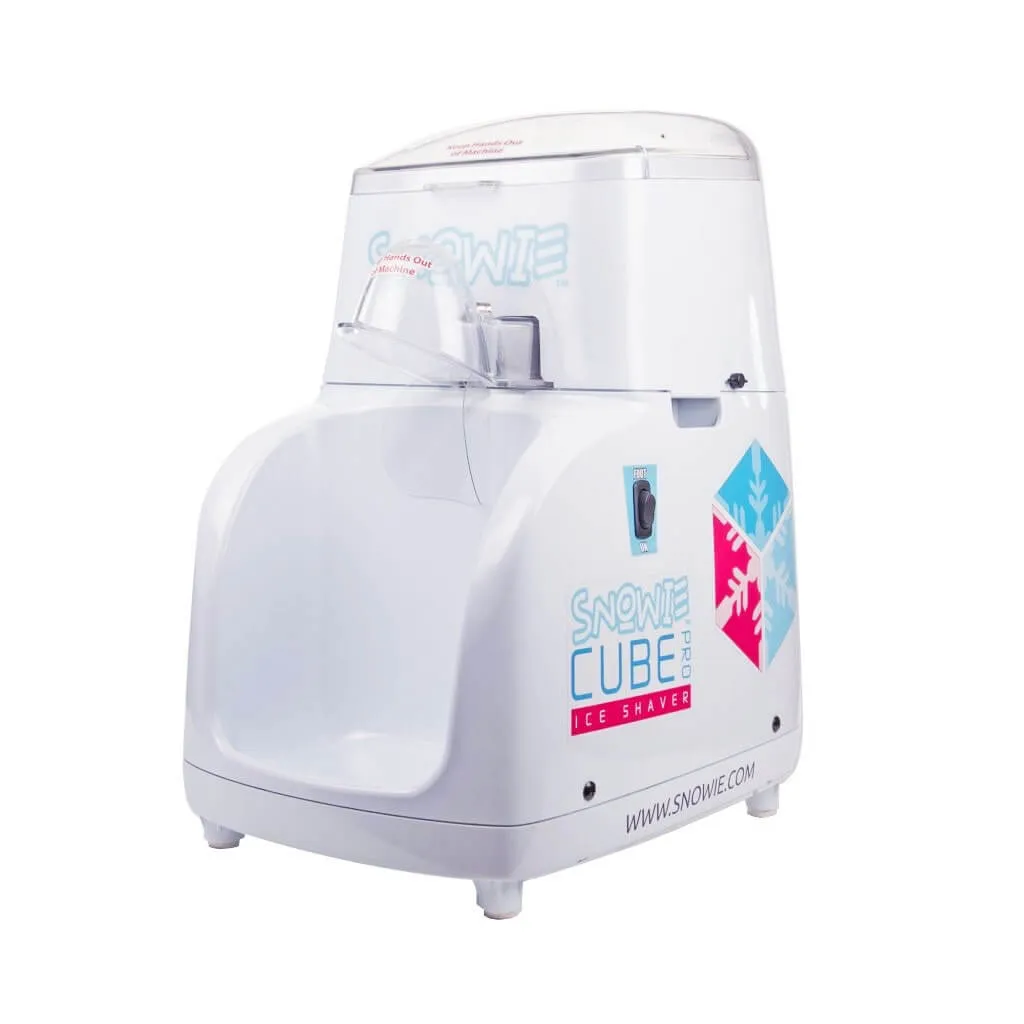
Coming Up Next
Now that you understand the equipment side of the business, it’s time to tackle something that intimidates many first-time entrepreneurs:
Business licenses, permits, food safety requirements, insurance, and legal considerations.
It may not be the most exciting part of starting a shaved ice business, but getting these details right protects your investment, builds trust with event organizers, and helps you operate with confidence from day one.
Chapter 6: Licenses, Permits, Insurance, and Food Safety — Building Your Business the Right Way
Let’s be honest.
This probably isn’t the chapter you were most excited to read.
When people imagine owning a shaved ice business, they picture colorful syrups, smiling customers, busy festivals, and long summer afternoons—not paperwork.
But here’s something experienced entrepreneurs understand.
A successful business isn’t built only on great products.
It’s built on trust.
Your customers trust you to serve safe food.
Festival organizers trust you to show up prepared.
Schools trust you to operate professionally.
Local officials trust you to follow regulations.
Every permit, every inspection, and every license is part of earning that trust.
Think of these requirements not as obstacles, but as building blocks that separate a hobby from a real business.
Why Doing Things the Right Way Matters
Imagine you’ve been invited to your biggest event yet.
Thousands of people are expected to attend.
You’ve stocked up on syrups.
Your trailer looks fantastic.
You’re ready to have your best weekend ever.
Then the organizer asks a simple question:
“Can you send us a copy of your insurance certificate and health permit?”
If you don’t have them, you may lose the opportunity before you ever serve your first customer.
It’s a painful lesson—but one that can be avoided with proper preparation.
Professionalism opens doors.
Preparation keeps them open.
Every Location Is Different
One of the biggest misconceptions new owners have is believing there’s a single checklist that applies everywhere.
There isn’t.
Requirements vary depending on:
- Your country
- Your state or province
- Your county
- Your city
- Whether you’re mobile or permanent
- The types of events you attend
For example, a county fair may require documentation that a private birthday party doesn’t.
A school district may ask for additional insurance coverage.
A city festival might have its own vendor application process.
That’s why it’s so important to research the requirements where you plan to operate rather than relying on advice from someone in another state or region.
Your Business License
For many entrepreneurs, obtaining a business license is one of the first official steps toward becoming a business owner.
It’s also a meaningful milestone.
You’re no longer saying,
“I’d like to start a business someday.”
You’re saying,
“I own a business.”
Depending on where you operate, you may need to register your business with local or state authorities before opening.
Many owners also choose a business structure, such as a sole proprietorship or a limited liability company (LLC), based on their goals and legal or tax considerations.
If you’re unsure which structure makes the most sense, consider speaking with a qualified accountant or attorney who understands small businesses in your area.
The right advice early on can save time, money, and unnecessary stress later.
Food Service Permits
Even though shaved ice is a simple product, you’re still serving food to the public.
That means local health departments may require permits or inspections before you begin operating.
These requirements help ensure businesses maintain clean, safe practices that protect customers.
Depending on your area, officials may evaluate things like:
- Food handling procedures
- Handwashing facilities
- Equipment cleanliness
- Ice storage
- Waste disposal
- Water supply
- Employee hygiene
Remember, inspections aren’t there to make your job harder.
They’re there to help ensure every customer receives food that’s prepared safely.
That’s good for everyone.
The Importance of Food Safety
Customers may never compliment you on your sanitation practices.
But they’ll absolutely notice if they’re missing.
Cleanliness isn’t a marketing strategy.
It’s a responsibility.
Simple habits make an enormous difference:
- Wash your hands regularly.
- Keep serving areas clean.
- Store ingredients properly.
- Replace damaged utensils.
- Clean equipment thoroughly after every event.
- Protect supplies from dust, insects, and weather.
- Monitor ice quality throughout the day.
Professional habits build professional businesses.
Business Insurance: Hoping for the Best, Preparing for the Unexpected
No one starts a business expecting something to go wrong.
But experienced entrepreneurs know that preparation is part of professionalism.
Business insurance helps protect you if unexpected situations arise.
Depending on your business model, you may want to explore coverage such as:
- General liability insurance
- Product liability coverage
- Commercial auto insurance
- Equipment coverage
- Property insurance
- Workers’ compensation (if you hire employees)
Many festivals, municipalities, and corporate clients require proof of insurance before approving vendors.
Having coverage isn’t just about protecting yourself.
It demonstrates that you take your business seriously.
Event Applications and Vendor Requirements
One of the most exciting moments in your first season is being accepted into a popular festival.
But many first-time vendors are surprised by how much preparation happens before the event begins.
Applications may ask for:
- Business information
- Photos of your setup
- Insurance documentation
- Menu details
- Health permits
- Sales tax information
- Electrical requirements
- Space dimensions
Experienced vendors often prepare a digital folder containing these documents so they’re ready whenever opportunities arise.
That simple habit can save hours during busy event seasons.
Taxes: Build Good Habits Early
Taxes can feel intimidating when you’re starting your first business.
The good news is that organization goes a long way.
Keep accurate records of:
- Sales
- Expenses
- Equipment purchases
- Inventory
- Mileage
- Event fees
- Marketing costs
Using accounting software or working with a professional bookkeeper can make tax season much less stressful.
The more organized you are throughout the year, the fewer surprises you’ll face later.
Creating Standard Operating Procedures
Large companies rely on systems.
Small businesses should too.
Even if you’re the only employee today, create simple routines for:
Opening your stand.
Cleaning equipment.
Restocking supplies.
Handling cash.
Serving customers.
Closing at the end of the day.
These routines help you work consistently and make it much easier to train employees as your business grows.
Systems create consistency.
Consistency creates trust.
Professionalism Is a Competitive Advantage
Here’s something that often surprises new entrepreneurs.
Professionalism is memorable.
Returning emails quickly.
Arriving early.
Keeping your trailer spotless.
Wearing clean uniforms.
Treating event organizers with respect.
Following through on commitments.
These things don’t cost much.
But they often become the reason organizers invite vendors back year after year.
Talent gets you noticed.
Professionalism gets you invited back.
Think Beyond Compliance
It’s easy to think of permits and regulations as boxes to check.
But successful business owners think differently.
They ask:
“How can I become the vendor every event organizer hopes will apply next year?”
That’s a different mindset.
It’s no longer about meeting minimum requirements.
It’s about exceeding expectations.
Businesses that consistently exceed expectations rarely struggle to find opportunities.
Building a Reputation Before You Need One
Every interaction contributes to your reputation.
The health inspector remembers professionalism.
The festival coordinator remembers reliability.
The school principal remembers punctuality.
The customer remembers cleanliness.
Reputation isn’t built in one big moment.
It’s built in hundreds of small moments that people remember long after the event is over.
Protect it.
Because once people trust your business, opportunities begin finding you.
Coming Up Next
Now that your business is built on a strong legal and operational foundation, it’s time to answer another critical question:
Where should you actually sell shaved ice?
The next chapter explores one of the biggest factors affecting profitability: location.
You’ll learn how experienced vendors evaluate festivals, parks, schools, sporting events, beaches, downtown districts, fairs, and private events—not just by attendance, but by earning potential.
Because in this business, the right location can be the difference between a slow day and a sold-out weekend.
Chapter 7: Finding Profitable Locations — Where Successful Shaved Ice Businesses Really Make Their Money
Ask ten successful shaved ice business owners what contributed most to their success, and you’ll hear a variety of answers.
Some will say customer service.
Others will point to branding.
Some will credit quality equipment.
All of those things matter.
But if there’s one factor that can dramatically influence your sales before your first customer even places an order, it’s this:
Location.
You can have the best equipment.
The friendliest staff.
The most colorful trailer.
The fluffiest shaved ice.
The most creative menu.
But if you’re serving fifty people while another vendor is serving five thousand, talent alone won’t close that gap.
One of the greatest advantages of a mobile shaved ice business is that you aren’t tied to one address.
You’re free to take your business where people are already gathering.
That’s more than convenience.
It’s a competitive advantage.
Stop Looking for Customers
This may sound strange at first.
Don’t look for customers.
Look for gatherings.
Successful vendors don’t ask:
“Where can I sell shaved ice?”
They ask:
“Where are families already spending time?”
That shift changes everything.
You’re no longer trying to convince people to visit your business.
You’re bringing your business to places where people are already making memories.
Children playing baseball.
Families attending county fairs.
Parents cheering from the sidelines.
Concertgoers enjoying live music.
Neighbors celebrating local festivals.
Your business becomes part of the experience.
Think Like an Event Organizer
Instead of looking at an event through the eyes of a vendor, try seeing it through the eyes of the organizer.
Ask questions like:
- How many people usually attend?
- How long do guests stay?
- Is this an annual event?
- Do families attend?
- Is there shade?
- Will people be outside for several hours?
- How many food vendors will be there?
- Are frozen desserts already popular at this event?
These questions reveal much more than attendance numbers.
They reveal opportunity.
Not All Crowds Are Equal
Here’s a mistake many first-time vendors make.
They assume bigger crowds automatically mean bigger profits.
Sometimes that’s true.
Sometimes it isn’t.
Imagine two events.
The first attracts 10,000 people.
The second attracts 2,500.
Most people immediately assume the first event is better.
But what if:
- The large event has twenty dessert vendors.
- The smaller event has only three.
- Parking is easier.
- Guests stay longer.
- Families attend every year.
Suddenly the smaller event may become the better business decision.
Smart entrepreneurs evaluate opportunities—not just attendance.
The Best Places to Sell Shaved Ice
Every community is different, but some locations consistently perform well because they combine warm weather, families, and extended visits.
Community Festivals
Festivals often bring together local residents looking for food, entertainment, and activities.
Guests expect to spend money.
They arrive ready to enjoy themselves.
That creates an excellent environment for concession businesses.
County and State Fairs
Fairs attract visitors who typically spend several hours walking, exploring exhibits, and enjoying attractions.
Cold refreshments become increasingly appealing throughout the day.
For many vendors, fairs represent some of the busiest weekends of the year.
Youth Sports
Parents, grandparents, coaches, and players all spend hours outdoors.
A baseball tournament with several fields can keep families on-site from morning until evening.
That creates multiple opportunities for repeat purchases throughout the day.
School Events
Field days.
Graduations.
Fundraisers.
Homecoming celebrations.
Spring carnivals.
Schools frequently host events where families gather in large numbers.
Building relationships with local schools can create recurring opportunities year after year.
Parks and Recreation Areas
Public parks naturally attract families during warm weather.
Whether people are celebrating birthdays, enjoying playgrounds, or attending outdoor movie nights, parks often provide excellent opportunities for mobile vendors.
Farmers Markets
Farmers markets attract shoppers looking for local products and fresh experiences.
Many visitors enjoy walking slowly, exploring vendors, and treating themselves along the way.
Shaved ice fits naturally into that atmosphere.
Private Events
Birthday parties.
Corporate picnics.
Neighborhood celebrations.
Church gatherings.
Graduation parties.
Private events may not have thousands of attendees, but they often provide predictable bookings and dependable income.
One successful event frequently leads to referrals.
Learn to Read Foot Traffic
Experienced vendors pay attention to details that beginners often overlook.
Instead of asking,
“How many people are here?”
They ask,
“How are people moving?”
Watch for:
Where families naturally gather.
Which walkways become crowded.
Where people pause to rest.
How long visitors stay.
Whether children repeatedly pass your location.
The flow of people matters just as much as the number of people.
Sometimes moving your setup just twenty feet can significantly improve visibility.
Weather Is Part of Your Business
Unlike many businesses, weather directly affects customer behavior.
Hot afternoons often create tremendous demand.
Rain can reduce attendance dramatically.
Wind may affect signage and tent setups.
Successful vendors don’t simply hope for good weather.
They prepare for changing conditions.
Monitor forecasts.
Protect equipment.
Bring extra shade when possible.
Have a plan if weather changes unexpectedly.
Preparation reduces stress.
Build Relationships, Not Just a Schedule
One of the most valuable assets you can develop isn’t a trailer.
It’s a reputation.
Festival organizers talk.
School administrators recommend dependable vendors.
Parks departments remember businesses that operate professionally.
Treat every event as an opportunity to build long-term relationships.
Show up early.
Communicate clearly.
Leave your space clean.
Be flexible when challenges arise.
One excellent weekend can lead to invitations for years to come.
Create an Annual Event Calendar
Experienced owners don’t wait until spring to look for events.
Many major festivals begin accepting vendor applications months in advance.
Some fill every available space quickly.
Create an annual calendar that includes:
Application deadlines.
Event dates.
Expected attendance.
Vendor fees.
Contact information.
Previous sales.
Notes from past experiences.
This simple habit transforms your schedule from reactive to strategic.
Instead of wondering where you’ll sell next month, you’ll already know.
Evaluate Every Event
Not every event deserves a return visit.
After each event, ask yourself:
How many customers did we serve?
What sold best?
How many hours were we open?
Did the vendor fee make sense?
Was setup efficient?
Would we return next year?
Treat every event as research.
The answers become valuable data that improve future decisions.
One Great Location Is Better Than Five Average Ones
Many new entrepreneurs believe they need to attend every event available.
Experienced owners often think differently.
They focus on quality over quantity.
A handful of outstanding events may outperform dozens of average ones.
Your time has value.
Choose opportunities that respect it.
Opportunity Is Everywhere—If You Learn to See It
Some of the best locations aren’t obvious.
A neighborhood hosting a summer movie night.
A community celebrating its annual festival.
A local charity fundraiser.
A youth soccer tournament with hundreds of families.
A new subdivision planning a grand opening.
Opportunity often hides in ordinary places.
Successful entrepreneurs train themselves to notice what others overlook.
Build a Business That People Look For
Here’s something remarkable.
Eventually, if you serve customers well enough, something changes.
You stop asking,
“Where should I sell?”
Instead, people begin asking,
“Can you come to our event?”
That’s the moment your reputation begins working for you.
And reputation is one of the few business assets that grows stronger every time you earn it.
Coming Up Next
You’ve found the right locations.
Now it’s time to make sure people remember your business long after the last cup has been served.
In the next chapter, we’ll build a brand that stands out in a crowded market.
We’ll cover business names, logos, colors, menus, customer experience, storytelling, and why branding is about much more than looking good.
Because the businesses people remember are the businesses they recommend.
Chapter 9: Designing a Profitable Shaved Ice Menu That Customers Love
Long before your customer tastes your shaved ice, they’ve already started making a decision.
It begins the moment they step up to your serving window.
Their eyes move across your menu. They glance at the colorful flavor names, compare sizes, notice the photos, and quietly ask themselves a simple question:
“What should I order?”
Most new business owners believe this is the customer’s problem to solve.
It isn’t.
It’s yours.
One of the biggest differences between a menu that simply lists products and a menu that consistently drives sales is that one creates confusion while the other creates confidence.
The best menus don’t overwhelm people with endless options. They guide them toward making a decision quickly, happily, and without regret.
That’s exactly what your menu should do.
A Menu Is One of Your Most Powerful Sales Tools
Think about the last time you visited a restaurant with an enormous menu.
Page after page of appetizers, entrées, sandwiches, salads, desserts, and drinks.
Instead of making ordering easier, it often makes it harder. You spend several minutes comparing choices, wondering what other people are ordering, and second-guessing your decision.
Now imagine walking up to a shaved ice stand during a busy summer festival.
The sun is beating down.
Children are excited.
Parents are ready to order.
Nobody wants to stand there for five minutes reading a menu with eighty different flavor combinations.
They want to order, receive their treat, and get back to enjoying the day.
A great menu respects your customer’s time.
That’s why simplicity is often one of the most profitable decisions you can make.
More Choices Don’t Always Mean More Sales
It’s easy to believe that offering fifty or sixty flavors makes your business look impressive.
In reality, it can create several challenges.
Every additional flavor means more inventory to purchase, more bottles to organize, more chances of running out of popular syrups, and more decisions for your customers to make.
Experienced operators understand something that surprises many first-time entrepreneurs.
Customers rarely buy because you have the biggest selection.
They buy because they quickly find something that sounds delicious.
Instead of trying to become known for having every flavor imaginable, become known for carrying the flavors people genuinely love while introducing a few creative specialties that make your business memorable.
When your menu is thoughtfully designed, customers spend less time deciding and more time enjoying their experience.
Build Your Menu Around Customer Favorites
Every successful shaved ice business eventually discovers that a relatively small group of flavors generates a large percentage of total sales.
Classic fruit flavors remain popular year after year because they’re familiar, refreshing, and appeal to nearly every age group.
Tropical flavors often perform exceptionally well during the summer because they naturally complement the fun, vacation-like atmosphere that shaved ice creates.
Beyond those favorites, consider creating a handful of signature combinations that customers can only find at your business.
Giving these creations memorable names helps them become part of your brand.
A child is much more likely to remember ordering something called Carnival Splash or Island Sunset than simply asking for “blue raspberry and coconut.”
Signature creations transform ordinary menu items into experiences.
Design Your Menu for Speed
Imagine it’s the busiest Saturday of your season.
There’s a line stretching across the fairgrounds.
Families are waiting patiently.
Every second matters.
This is where menu design becomes operational strategy.
A clear, organized menu allows customers to begin choosing before they even reach the ordering window.
Group similar items together.
Display sizes in a logical order.
Use large, readable text that can be seen from several feet away.
If you include photos, use only high-quality images that genuinely represent what customers will receive.
Your goal isn’t simply to create a beautiful menu.
It’s to reduce hesitation.
When customers know exactly what they want before it’s their turn, your line moves faster, more people are served, and the overall experience improves for everyone.
Pricing Is About Value, Not Just Numbers
One of the hardest decisions for new business owners is choosing their prices.
Many are afraid of charging too much.
So they set prices lower than necessary, hoping customers will appreciate the bargain.
Ironically, pricing too low can sometimes have the opposite effect.
Customers often associate extremely low prices with lower quality.
More importantly, underpricing leaves little room to cover rising costs, invest in better equipment, improve your branding, or grow your business.
Instead of asking, “What’s the cheapest price people will pay?” ask yourself a better question:
“What price fairly reflects the experience I’m creating?”
You’re not simply selling flavored ice.
You’re providing convenience, entertainment, refreshment, and a memorable part of someone’s day.
When customers feel they’ve received excellent value, they rarely complain about paying a fair price.
Small Upgrades Can Create Big Results
One of the simplest ways to increase the value of each sale is by offering thoughtful upgrades rather than overwhelming customers with additional products.
Perhaps a customer can add a scoop of ice cream beneath their shaved ice, a drizzle of sweet cream on top, or a colorful topping that makes the treat even more exciting.
The key is to make upgrades feel like enhancements to the experience—not pressure to spend more money.
When offered naturally, many customers are happy to personalize their order.
They leave feeling delighted, and your average sale increases without requiring additional customers.
That’s one of the healthiest ways to grow a business.
Make Your Menu Easy to Photograph
Today’s customers don’t just eat with their mouths.
They eat with their eyes.
Before the first spoonful, many people are already reaching for their phones.
Bright colors, layered syrups, fresh fruit, creative toppings, and attractive presentation all encourage customers to take photos and share them online.
That single photograph may be seen by dozens—or even hundreds—of friends.
In that moment, your customer has quietly become one of your marketers.
Design your menu with that possibility in mind.
A visually memorable product can continue advertising your business long after the customer has finished eating.
Keep Improving Your Menu
Your first menu doesn’t have to be perfect.
In fact, it probably won’t be.
That’s completely normal.
The most successful businesses treat their menu as something that evolves.
Pay attention to which flavors sell consistently and which rarely leave the shelf.
Notice which signature combinations customers talk about.
Ask returning families what they’d like to see next season.
Your customers are constantly giving you valuable feedback.
The businesses that listen are usually the ones that continue growing.
Improvement isn’t a sign that your first menu failed.
It’s a sign that your business is learning.
A Great Menu Builds Confidence
Think about how you want customers to feel as they step away from your serving window.
Not just refreshed.
Not just satisfied.
Confident that they chose the right place.
A thoughtfully designed menu creates that feeling before the first bite is ever taken.
It makes ordering easy.
It reflects your brand.
It speeds up service.
It encourages repeat visits.
And it quietly communicates something every successful business wants its customers to believe:
“These people know exactly what they’re doing.”
That’s the impression worth creating.
Because menus don’t just sell products.
They build trust.
Coming Up Next
A beautiful menu and an unforgettable brand are only part of the equation.
Now it’s time to answer one of the biggest questions every new entrepreneur has:
How do you actually attract customers when you’re just getting started?
In the next chapter, we’ll build a complete marketing strategy for a modern shaved ice business. You’ll learn how to use social media effectively, earn word-of-mouth referrals, collect reviews, build relationships with schools and event organizers, create repeat customers, and market your business long before your trailer arrives at an event.
Because the most successful shaved ice businesses don’t wait for customers to discover them.
They give customers a reason to come looking.
Chapter 10: How to Market Your Shaved Ice Business and Build a Loyal Customer Base
Imagine this.
It’s your first big community festival.
You’ve spent weeks preparing. Your trailer is spotless, your syrups are organized, the ice is ready, and your team is excited. The gates open, families begin walking through the entrance, music fills the air, and suddenly months of planning become reality.
Then something interesting happens.
Some people walk straight toward your stand.
Others don’t even notice it.
The difference isn’t luck.
Long before that festival began, one group of people already knew your business existed. They had seen your photos online, watched your videos, heard about you from friends, or noticed your trailer around town. By the time they arrived at the event, they weren’t deciding whether to buy shaved ice.
They were deciding when.
That’s what effective marketing does.
It shortens the distance between discovering your business and becoming your customer.
Many first-time entrepreneurs believe marketing begins after they open. In reality, marketing starts the day you decide to build your business.
Every decision you make either strengthens your reputation or leaves an opportunity on the table.
The name you choose.
The trailer people see on the road.
The photos you post.
The conversations you have with event organizers.
Even the way you answer your phone.
They’re all forms of marketing because they’re all shaping someone’s perception of your business.
That’s why the strongest brands rarely depend on one advertisement or one viral social media post.
They build familiarity through consistent, positive experiences.
Think about businesses you personally recommend to friends.
Chances are, you didn’t discover them through a flashy advertisement.
You discovered them because someone you trusted mentioned them, you kept seeing them around town, or you had such a good experience that you couldn’t stop talking about them afterward.
That’s exactly the kind of marketing we’re trying to build.
Instead of asking yourself, “How do I get more customers?”, ask a different question.
“How do I become the business people naturally recommend?”
That simple shift changes your entire strategy.
When your focus becomes earning recommendations instead of chasing sales, your priorities become much clearer.
You begin paying more attention to customer experience, consistency, professionalism, and relationships because those are the things people actually remember.
Social media certainly has a place in your business, but not for the reason many people think.
Your social media accounts shouldn’t become online catalogs filled with endless photos of shaved ice.
People don’t follow businesses because they enjoy looking at advertisements.
They follow businesses because they enjoy stories.
Show the excitement of preparing for a festival before sunrise.
Share the moment your first customer of the season places an order.
Introduce the people behind your business.
Celebrate your busiest day.
Laugh about the unexpected moments that every event brings.
Let people see the human side of your company.
Customers connect with people far more easily than they connect with products.
One of the most powerful forms of marketing doesn’t happen online at all.
It happens while you’re serving customers.
Picture a parent walking away with three colorful shaved ice treats for their children.
The kids are smiling.
One of them asks if they can come back later to try another flavor.
The parent notices how friendly your staff has been, how quickly the line moved, and how clean everything looked.
A few days later, another parent asks for recommendations for a birthday party.
Who do you think they’ll mention?
Probably the business that made their day easier and more enjoyable.
That’s how word-of-mouth grows.
It isn’t something you ask for first.
It’s something you earn.
Online reviews work in much the same way.
Before visiting a new business, many people look at what previous customers have said. A collection of thoughtful, genuine reviews often provides more confidence than any advertisement ever could.
Don’t be afraid to politely encourage satisfied customers to leave a review after a positive experience.
Never pressure them.
Never offer incentives that feel inauthentic.
Simply make it easy for happy customers to share their experience if they choose to.
Those reviews become part of your reputation long after the event has ended.
Relationships with event organizers deserve just as much attention as relationships with customers.
Imagine being known as the vendor who always arrives early, communicates clearly, keeps their area spotless, and leaves every location cleaner than they found it.
Who do you think organizers will contact when planning next year’s event?
Professionalism has a way of becoming its own advertisement.
The same is true within your local community.
Get to know school administrators, youth sports organizers, parks departments, churches, nonprofit organizations, and local business owners.
Not because you’re trying to sell to them every time you meet, but because strong communities are built on genuine relationships.
People enjoy working with businesses they know and trust.
Sometimes the most valuable opportunities begin with a simple conversation rather than a marketing campaign.
As your business grows, you’ll discover something remarkable.
Your happiest customers begin marketing for you.
They tag your business in family photos.
They recommend you in neighborhood Facebook groups.
They tell coworkers about the shaved ice they had over the weekend.
They invite you to birthday parties, company picnics, and school celebrations.
Your marketing gradually shifts from something you do to something your reputation does on your behalf.
That’s one of the most rewarding milestones in any business.
Consistency is what makes that possible.
You don’t have to create the funniest videos or spend thousands of dollars on advertising.
You simply need to show up, deliver a great experience, and keep doing it.
Again and again.
Customers trust businesses that feel dependable.
They return to businesses that consistently make them feel welcome.
Eventually, people stop seeing you as the new shaved ice vendor.
They begin seeing you as part of their community.
That’s when something wonderful happens.
Families begin creating traditions around your business.
Children remember visiting your stand every summer.
Parents recommend you to new neighbors.
Event organizers invite you back without hesitation.
Your business becomes woven into the memories people make together.
And there may be no stronger form of marketing than becoming part of someone’s happiest moments.
Remember this as your business grows.
You are never just selling shaved ice.
You are creating experiences that people carry home with them.
If those experiences are positive enough, they’ll bring someone back with them next time.
That’s how loyal customer bases are built.
Not one advertisement at a time.
One relationship at a time.
Coming Up Next
Your customers are finding you.
They’re talking about your business.
They’re returning with friends and family.
Now it’s time to focus on what happens behind the scenes.
In the next chapter, we’ll walk through a complete day in the life of a successful shaved ice business—from setting up before sunrise to closing after the last customer leaves. You’ll learn how efficient operations, preparation, teamwork, and attention to detail turn busy days into profitable ones, while avoiding the common mistakes that slow new vendors down.
Chapter 10: How to Market Your Shaved Ice Business and Build a Loyal Customer Base
Imagine this.
It’s your first big community festival.
You’ve spent weeks preparing. Your trailer is spotless, your syrups are organized, the ice is ready, and your team is excited. The gates open, families begin walking through the entrance, music fills the air, and suddenly months of planning become reality.
Then something interesting happens.
Some people walk straight toward your stand.
Others don’t even notice it.
The difference isn’t luck.
Long before that festival began, one group of people already knew your business existed. They had seen your photos online, watched your videos, heard about you from friends, or noticed your trailer around town. By the time they arrived at the event, they weren’t deciding whether to buy shaved ice.
They were deciding when.
That’s what effective marketing does.
It shortens the distance between discovering your business and becoming your customer.
Many first-time entrepreneurs believe marketing begins after they open. In reality, marketing starts the day you decide to build your business.
Every decision you make either strengthens your reputation or leaves an opportunity on the table.
The name you choose.
The trailer people see on the road.
The photos you post.
The conversations you have with event organizers.
Even the way you answer your phone.
They’re all forms of marketing because they’re all shaping someone’s perception of your business.
That’s why the strongest brands rarely depend on one advertisement or one viral social media post.
They build familiarity through consistent, positive experiences.
Think about businesses you personally recommend to friends.
Chances are, you didn’t discover them through a flashy advertisement.
You discovered them because someone you trusted mentioned them, you kept seeing them around town, or you had such a good experience that you couldn’t stop talking about them afterward.
That’s exactly the kind of marketing we’re trying to build.
Instead of asking yourself, “How do I get more customers?”, ask a different question.
“How do I become the business people naturally recommend?”
That simple shift changes your entire strategy.
When your focus becomes earning recommendations instead of chasing sales, your priorities become much clearer.
You begin paying more attention to customer experience, consistency, professionalism, and relationships because those are the things people actually remember.
Social media certainly has a place in your business, but not for the reason many people think.
Your social media accounts shouldn’t become online catalogs filled with endless photos of shaved ice.
People don’t follow businesses because they enjoy looking at advertisements.
They follow businesses because they enjoy stories.
Show the excitement of preparing for a festival before sunrise.
Share the moment your first customer of the season places an order.
Introduce the people behind your business.
Celebrate your busiest day.
Laugh about the unexpected moments that every event brings.
Let people see the human side of your company.
Customers connect with people far more easily than they connect with products.
One of the most powerful forms of marketing doesn’t happen online at all.
It happens while you’re serving customers.
Picture a parent walking away with three colorful shaved ice treats for their children.
The kids are smiling.
One of them asks if they can come back later to try another flavor.
The parent notices how friendly your staff has been, how quickly the line moved, and how clean everything looked.
A few days later, another parent asks for recommendations for a birthday party.
Who do you think they’ll mention?
Probably the business that made their day easier and more enjoyable.
That’s how word-of-mouth grows.
It isn’t something you ask for first.
It’s something you earn.
Online reviews work in much the same way.
Before visiting a new business, many people look at what previous customers have said. A collection of thoughtful, genuine reviews often provides more confidence than any advertisement ever could.
Don’t be afraid to politely encourage satisfied customers to leave a review after a positive experience.
Never pressure them.
Never offer incentives that feel inauthentic.
Simply make it easy for happy customers to share their experience if they choose to.
Those reviews become part of your reputation long after the event has ended.
Relationships with event organizers deserve just as much attention as relationships with customers.
Imagine being known as the vendor who always arrives early, communicates clearly, keeps their area spotless, and leaves every location cleaner than they found it.
Who do you think organizers will contact when planning next year’s event?
Professionalism has a way of becoming its own advertisement.
The same is true within your local community.
Get to know school administrators, youth sports organizers, parks departments, churches, nonprofit organizations, and local business owners.
Not because you’re trying to sell to them every time you meet, but because strong communities are built on genuine relationships.
People enjoy working with businesses they know and trust.
Sometimes the most valuable opportunities begin with a simple conversation rather than a marketing campaign.
As your business grows, you’ll discover something remarkable.
Your happiest customers begin marketing for you.
They tag your business in family photos.
They recommend you in neighborhood Facebook groups.
They tell coworkers about the shaved ice they had over the weekend.
They invite you to birthday parties, company picnics, and school celebrations.
Your marketing gradually shifts from something you do to something your reputation does on your behalf.
That’s one of the most rewarding milestones in any business.
Consistency is what makes that possible.
You don’t have to create the funniest videos or spend thousands of dollars on advertising.
You simply need to show up, deliver a great experience, and keep doing it.
Again and again.
Customers trust businesses that feel dependable.
They return to businesses that consistently make them feel welcome.
Eventually, people stop seeing you as the new shaved ice vendor.
They begin seeing you as part of their community.
That’s when something wonderful happens.
Families begin creating traditions around your business.
Children remember visiting your stand every summer.
Parents recommend you to new neighbors.
Event organizers invite you back without hesitation.
Your business becomes woven into the memories people make together.
And there may be no stronger form of marketing than becoming part of someone’s happiest moments.
Remember this as your business grows.
You are never just selling shaved ice.
You are creating experiences that people carry home with them.
If those experiences are positive enough, they’ll bring someone back with them next time.
That’s how loyal customer bases are built.
Not one advertisement at a time.
One relationship at a time.
Coming Up Next
Your customers are finding you.
They’re talking about your business.
They’re returning with friends and family.
Now it’s time to focus on what happens behind the scenes.
In the next chapter, we’ll walk through a complete day in the life of a successful shaved ice business—from setting up before sunrise to closing after the last customer leaves. You’ll learn how efficient operations, preparation, teamwork, and attention to detail turn busy days into profitable ones, while avoiding the common mistakes that slow new vendors down.
Chapter 8: Building a Brand People Remember — Why Customers Return Before They Even Taste Your Shaved Ice
Close your eyes for a moment and think about the last time you attended a county fair, carnival, or summer festival.
Chances are, you don’t remember every food stand.
You probably don’t remember every menu.
You certainly don’t remember every price.
But you probably remember one.
Maybe it had bright tropical colors.
Maybe it had a clever name.
Maybe the employees were laughing with customers.
Maybe there was always a line.
Maybe the trailer looked incredible.
Or maybe…
It simply made you feel good.
That’s branding.
Branding isn’t your logo.
It isn’t your font.
It isn’t your business card.
Those are parts of your brand—but they aren’t your brand.
Your brand is the feeling people remember after they leave.
That’s one of the greatest competitive advantages you can build.
Because while competitors can copy your menu…
They can’t copy the experience people associate with your business.
You’re Not Selling Ice
Let’s settle one of the biggest misconceptions in this industry.
You’re not selling shaved ice.
You’re selling…
A break from the summer heat.
Five minutes of happiness.
A reward after a baseball game.
A tradition at the county fair.
A colorful memory a child talks about all week.
The product simply delivers the experience.
Think about that for a second.
Nobody wakes up thinking,
“Today I really hope I can buy twelve ounces of flavored ice.”
They think,
“Let’s go have fun.”
Your business becomes part of that memory.
When you understand this, every business decision changes.
The Businesses That Win Hearts
Imagine walking through a festival.
Two shaved ice trailers sit across from one another.
The first has a faded banner.
A handwritten menu.
Employees looking at their phones.
No music.
No excitement.
The second has bright colors.
A smiling team.
Music playing softly.
Clean uniforms.
Fresh flowers beside the ordering window.
A menu that’s easy to read.
Which one feels more inviting?
Before tasting a single spoonful…
You’ve already formed an opinion.
That’s branding working exactly as it should.
Your Business Name Is Your First Conversation
Your business name introduces you before you ever say a word.
Great names are:
Easy to pronounce.
Easy to remember.
Easy to spell.
Easy to recommend.
Imagine a customer saying your business name to a friend.
Does it roll off the tongue?
Or do they have to stop and think?
The best names create pictures in people’s minds.
They spark curiosity.
They feel fun.
They sound trustworthy.
They become memorable.
That’s exactly what you want.
Your Logo Should Be Recognizable From Across the Fairground
Many entrepreneurs make one expensive mistake.
They design a logo that looks fantastic on a computer screen.
Then they print it on a trailer.
Suddenly…
It’s impossible to read from thirty feet away.
Remember where your customers are.
Walking.
Driving.
Standing in crowds.
Looking quickly.
Your logo should communicate instantly.
Simple beats complicated.
Bold beats cluttered.
Clear beats clever.
A logo isn’t there to impress graphic designers.
It’s there to help customers find you.
Color Is More Powerful Than You Think
Color influences emotion long before people consciously notice it.
Bright tropical colors often communicate:
Energy.
Summer.
Fun.
Excitement.
Freshness.
Cool blues suggest refreshment.
Bright reds attract attention.
Sunny yellows communicate happiness.
Vibrant greens hint at tropical flavors.
The goal isn’t choosing your favorite colors.
It’s choosing colors that support the feeling you want customers to experience.
Your Trailer Is a Billboard
If you’re operating a concession trailer or cart…
Congratulations.
You already own one of the most effective advertisements your business will ever have.
Everywhere you travel…
People see your business.
Every gas station.
Every intersection.
Every event.
Every parking lot.
Your trailer isn’t simply transportation.
It’s marketing.
Keep it clean.
Keep it professional.
Keep it memorable.
Because people are always looking.
Even when you don’t realize it.
Build a Brand Children Remember
Here’s something many new owners overlook.
Children influence more purchasing decisions than almost anyone realizes.
Think about it.
Parents don’t usually say,
“Let’s spend twelve dollars on frozen treats.”
Children ask.
Parents smile.
Everyone enjoys the moment.
That’s why memorable branding matters.
Children remember:
Bright colors.
Fun mascots.
Interesting names.
Unique trailers.
Friendly employees.
Those memories bring families back year after year.
Your Team Is Part of Your Brand
You may spend months designing the perfect logo.
Then one unfriendly employee damages your reputation in five minutes.
People remember how businesses make them feel.
Train every employee to understand that.
Smile.
Make eye contact.
Be patient.
Thank customers.
Work efficiently.
Treat every guest as though they’re returning customers.
Because hopefully…
One day they will be.
The Little Details Matter
Customers notice things you don’t.
Is your menu easy to read?
Are syrup bottles organized?
Is the counter clean?
Do employees look professional?
Can people understand the ordering process?
Small details create big impressions.
Professional businesses aren’t usually built on one spectacular thing.
They’re built on hundreds of thoughtful details working together.
Tell Your Story
People enjoy supporting local businesses.
Especially when they know the story behind them.
Why did you start?
Was this a family dream?
A retirement adventure?
A side business that became something bigger?
A new beginning after changing careers?
Stories create connection.
Connection builds loyalty.
Customers who feel connected often become your biggest advocates.
Build a Business Worth Photographing
Here’s a question worth asking.
Would someone take a picture of your shaved ice and post it online?
If the answer is yes…
You’ve just created free advertising.
Design your business with photographs in mind.
Beautiful shaved ice.
Colorful presentation.
Clean backgrounds.
Creative toppings.
Professional signage.
People love sharing experiences that look as good as they taste.
Give them something worth sharing.
Every Customer Is Part of Your Marketing Team
Years ago…
Businesses relied almost entirely on advertisements.
Today…
Every satisfied customer has a smartphone.
One great experience can become:
A Facebook recommendation.
An Instagram story.
A TikTok video.
A Google review.
A neighborhood conversation.
Word-of-mouth still exists.
It just travels much faster.
Build a Brand Bigger Than a Logo
The strongest brands are remembered for something.
Not everything.
Maybe you’re known for:
The fluffiest shaved ice.
The fastest service.
The friendliest staff.
The most creative flavors.
The cleanest trailer.
The tropical atmosphere.
The incredible customer experience.
Pick something.
Then become unforgettable for it.
Reputation Is Earned One Customer at a Time
Your brand doesn’t become famous overnight.
It grows one interaction at a time.
One smile.
One compliment.
One recommendation.
One returning family.
One successful festival.
Those moments stack together.
Eventually…
People stop asking,
“Have you heard of them?”
They start saying,
“You HAVE to try them.”
That’s when your brand begins working harder than your advertising ever could.
Coming Up Next
Now that you’ve built a brand customers will remember…
It’s time to create the one thing they’ll stare at before placing an order.
Your menu.
In the next chapter, we’ll design a profitable shaved ice menu, explore the best-selling flavors, discuss pricing psychology, upselling techniques, seasonal specials, and why simplifying your menu often leads to more sales—not fewer.
Because every great brand deserves a menu that’s just as memorable.
Chapter 9: Designing a Profitable Shaved Ice Menu That Customers Love
Long before your customer tastes your shaved ice, they’ve already started making a decision.
It begins the moment they step up to your serving window.
Their eyes move across your menu. They glance at the colorful flavor names, compare sizes, notice the photos, and quietly ask themselves a simple question:
“What should I order?”
Most new business owners believe this is the customer’s problem to solve.
It isn’t.
It’s yours.
One of the biggest differences between a menu that simply lists products and a menu that consistently drives sales is that one creates confusion while the other creates confidence.
The best menus don’t overwhelm people with endless options. They guide them toward making a decision quickly, happily, and without regret.
That’s exactly what your menu should do.
A Menu Is One of Your Most Powerful Sales Tools
Think about the last time you visited a restaurant with an enormous menu.
Page after page of appetizers, entrées, sandwiches, salads, desserts, and drinks.
Instead of making ordering easier, it often makes it harder. You spend several minutes comparing choices, wondering what other people are ordering, and second-guessing your decision.
Now imagine walking up to a shaved ice stand during a busy summer festival.
The sun is beating down.
Children are excited.
Parents are ready to order.
Nobody wants to stand there for five minutes reading a menu with eighty different flavor combinations.
They want to order, receive their treat, and get back to enjoying the day.
A great menu respects your customer’s time.
That’s why simplicity is often one of the most profitable decisions you can make.
More Choices Don’t Always Mean More Sales
It’s easy to believe that offering fifty or sixty flavors makes your business look impressive.
In reality, it can create several challenges.
Every additional flavor means more inventory to purchase, more bottles to organize, more chances of running out of popular syrups, and more decisions for your customers to make.
Experienced operators understand something that surprises many first-time entrepreneurs.
Customers rarely buy because you have the biggest selection.
They buy because they quickly find something that sounds delicious.
Instead of trying to become known for having every flavor imaginable, become known for carrying the flavors people genuinely love while introducing a few creative specialties that make your business memorable.
When your menu is thoughtfully designed, customers spend less time deciding and more time enjoying their experience.
Build Your Menu Around Customer Favorites
Every successful shaved ice business eventually discovers that a relatively small group of flavors generates a large percentage of total sales.
Classic fruit flavors remain popular year after year because they’re familiar, refreshing, and appeal to nearly every age group.
Tropical flavors often perform exceptionally well during the summer because they naturally complement the fun, vacation-like atmosphere that shaved ice creates.
Beyond those favorites, consider creating a handful of signature combinations that customers can only find at your business.
Giving these creations memorable names helps them become part of your brand.
A child is much more likely to remember ordering something called Carnival Splash or Island Sunset than simply asking for “blue raspberry and coconut.”
Signature creations transform ordinary menu items into experiences.
Design Your Menu for Speed
Imagine it’s the busiest Saturday of your season.
There’s a line stretching across the fairgrounds.
Families are waiting patiently.
Every second matters.
This is where menu design becomes operational strategy.
A clear, organized menu allows customers to begin choosing before they even reach the ordering window.
Group similar items together.
Display sizes in a logical order.
Use large, readable text that can be seen from several feet away.
If you include photos, use only high-quality images that genuinely represent what customers will receive.
Your goal isn’t simply to create a beautiful menu.
It’s to reduce hesitation.
When customers know exactly what they want before it’s their turn, your line moves faster, more people are served, and the overall experience improves for everyone.
Pricing Is About Value, Not Just Numbers
One of the hardest decisions for new business owners is choosing their prices.
Many are afraid of charging too much.
So they set prices lower than necessary, hoping customers will appreciate the bargain.
Ironically, pricing too low can sometimes have the opposite effect.
Customers often associate extremely low prices with lower quality.
More importantly, underpricing leaves little room to cover rising costs, invest in better equipment, improve your branding, or grow your business.
Instead of asking, “What’s the cheapest price people will pay?” ask yourself a better question:
“What price fairly reflects the experience I’m creating?”
You’re not simply selling flavored ice.
You’re providing convenience, entertainment, refreshment, and a memorable part of someone’s day.
When customers feel they’ve received excellent value, they rarely complain about paying a fair price.
Small Upgrades Can Create Big Results
One of the simplest ways to increase the value of each sale is by offering thoughtful upgrades rather than overwhelming customers with additional products.
Perhaps a customer can add a scoop of ice cream beneath their shaved ice, a drizzle of sweet cream on top, or a colorful topping that makes the treat even more exciting.
The key is to make upgrades feel like enhancements to the experience—not pressure to spend more money.
When offered naturally, many customers are happy to personalize their order.
They leave feeling delighted, and your average sale increases without requiring additional customers.
That’s one of the healthiest ways to grow a business.
Make Your Menu Easy to Photograph
Today’s customers don’t just eat with their mouths.
They eat with their eyes.
Before the first spoonful, many people are already reaching for their phones.
Bright colors, layered syrups, fresh fruit, creative toppings, and attractive presentation all encourage customers to take photos and share them online.
That single photograph may be seen by dozens—or even hundreds—of friends.
In that moment, your customer has quietly become one of your marketers.
Design your menu with that possibility in mind.
A visually memorable product can continue advertising your business long after the customer has finished eating.
Keep Improving Your Menu
Your first menu doesn’t have to be perfect.
In fact, it probably won’t be.
That’s completely normal.
The most successful businesses treat their menu as something that evolves.
Pay attention to which flavors sell consistently and which rarely leave the shelf.
Notice which signature combinations customers talk about.
Ask returning families what they’d like to see next season.
Your customers are constantly giving you valuable feedback.
The businesses that listen are usually the ones that continue growing.
Improvement isn’t a sign that your first menu failed.
It’s a sign that your business is learning.
A Great Menu Builds Confidence
Think about how you want customers to feel as they step away from your serving window.
Not just refreshed.
Not just satisfied.
Confident that they chose the right place.
A thoughtfully designed menu creates that feeling before the first bite is ever taken.
It makes ordering easy.
It reflects your brand.
It speeds up service.
It encourages repeat visits.
And it quietly communicates something every successful business wants its customers to believe:
“These people know exactly what they’re doing.”
That’s the impression worth creating.
Because menus don’t just sell products.
They build trust.
Coming Up Next
A beautiful menu and an unforgettable brand are only part of the equation.
Now it’s time to answer one of the biggest questions every new entrepreneur has:
How do you actually attract customers when you’re just getting started?
In the next chapter, we’ll build a complete marketing strategy for a modern shaved ice business. You’ll learn how to use social media effectively, earn word-of-mouth referrals, collect reviews, build relationships with schools and event organizers, create repeat customers, and market your business long before your trailer arrives at an event.
Because the most successful shaved ice businesses don’t wait for customers to discover them.
They give customers a reason to come looking.
Chapter 10: How to Market Your Shaved Ice Business and Build a Loyal Customer Base
Imagine this.
It’s your first big community festival.
You’ve spent weeks preparing. Your trailer is spotless, your syrups are organized, the ice is ready, and your team is excited. The gates open, families begin walking through the entrance, music fills the air, and suddenly months of planning become reality.
Then something interesting happens.
Some people walk straight toward your stand.
Others don’t even notice it.
The difference isn’t luck.
Long before that festival began, one group of people already knew your business existed. They had seen your photos online, watched your videos, heard about you from friends, or noticed your trailer around town. By the time they arrived at the event, they weren’t deciding whether to buy shaved ice.
They were deciding when.
That’s what effective marketing does.
It shortens the distance between discovering your business and becoming your customer.
Many first-time entrepreneurs believe marketing begins after they open. In reality, marketing starts the day you decide to build your business.
Every decision you make either strengthens your reputation or leaves an opportunity on the table.
The name you choose.
The trailer people see on the road.
The photos you post.
The conversations you have with event organizers.
Even the way you answer your phone.
They’re all forms of marketing because they’re all shaping someone’s perception of your business.
That’s why the strongest brands rarely depend on one advertisement or one viral social media post.
They build familiarity through consistent, positive experiences.
Think about businesses you personally recommend to friends.
Chances are, you didn’t discover them through a flashy advertisement.
You discovered them because someone you trusted mentioned them, you kept seeing them around town, or you had such a good experience that you couldn’t stop talking about them afterward.
That’s exactly the kind of marketing we’re trying to build.
Instead of asking yourself, “How do I get more customers?”, ask a different question.
“How do I become the business people naturally recommend?”
That simple shift changes your entire strategy.
When your focus becomes earning recommendations instead of chasing sales, your priorities become much clearer.
You begin paying more attention to customer experience, consistency, professionalism, and relationships because those are the things people actually remember.
Social media certainly has a place in your business, but not for the reason many people think.
Your social media accounts shouldn’t become online catalogs filled with endless photos of shaved ice.
People don’t follow businesses because they enjoy looking at advertisements.
They follow businesses because they enjoy stories.
Show the excitement of preparing for a festival before sunrise.
Share the moment your first customer of the season places an order.
Introduce the people behind your business.
Celebrate your busiest day.
Laugh about the unexpected moments that every event brings.
Let people see the human side of your company.
Customers connect with people far more easily than they connect with products.
One of the most powerful forms of marketing doesn’t happen online at all.
It happens while you’re serving customers.
Picture a parent walking away with three colorful shaved ice treats for their children.
The kids are smiling.
One of them asks if they can come back later to try another flavor.
The parent notices how friendly your staff has been, how quickly the line moved, and how clean everything looked.
A few days later, another parent asks for recommendations for a birthday party.
Who do you think they’ll mention?
Probably the business that made their day easier and more enjoyable.
That’s how word-of-mouth grows.
It isn’t something you ask for first.
It’s something you earn.
Online reviews work in much the same way.
Before visiting a new business, many people look at what previous customers have said. A collection of thoughtful, genuine reviews often provides more confidence than any advertisement ever could.
Don’t be afraid to politely encourage satisfied customers to leave a review after a positive experience.
Never pressure them.
Never offer incentives that feel inauthentic.
Simply make it easy for happy customers to share their experience if they choose to.
Those reviews become part of your reputation long after the event has ended.
Relationships with event organizers deserve just as much attention as relationships with customers.
Imagine being known as the vendor who always arrives early, communicates clearly, keeps their area spotless, and leaves every location cleaner than they found it.
Who do you think organizers will contact when planning next year’s event?
Professionalism has a way of becoming its own advertisement.
The same is true within your local community.
Get to know school administrators, youth sports organizers, parks departments, churches, nonprofit organizations, and local business owners.
Not because you’re trying to sell to them every time you meet, but because strong communities are built on genuine relationships.
People enjoy working with businesses they know and trust.
Sometimes the most valuable opportunities begin with a simple conversation rather than a marketing campaign.
As your business grows, you’ll discover something remarkable.
Your happiest customers begin marketing for you.
They tag your business in family photos.
They recommend you in neighborhood Facebook groups.
They tell coworkers about the shaved ice they had over the weekend.
They invite you to birthday parties, company picnics, and school celebrations.
Your marketing gradually shifts from something you do to something your reputation does on your behalf.
That’s one of the most rewarding milestones in any business.
Consistency is what makes that possible.
You don’t have to create the funniest videos or spend thousands of dollars on advertising.
You simply need to show up, deliver a great experience, and keep doing it.
Again and again.
Customers trust businesses that feel dependable.
They return to businesses that consistently make them feel welcome.
Eventually, people stop seeing you as the new shaved ice vendor.
They begin seeing you as part of their community.
That’s when something wonderful happens.
Families begin creating traditions around your business.
Children remember visiting your stand every summer.
Parents recommend you to new neighbors.
Event organizers invite you back without hesitation.
Your business becomes woven into the memories people make together.
And there may be no stronger form of marketing than becoming part of someone’s happiest moments.
Remember this as your business grows.
You are never just selling shaved ice.
You are creating experiences that people carry home with them.
If those experiences are positive enough, they’ll bring someone back with them next time.
That’s how loyal customer bases are built.
Not one advertisement at a time.
One relationship at a time.
Coming Up Next
Your customers are finding you.
They’re talking about your business.
They’re returning with friends and family.
Now it’s time to focus on what happens behind the scenes.
In the next chapter, we’ll walk through a complete day in the life of a successful shaved ice business—from setting up before sunrise to closing after the last customer leaves. You’ll learn how efficient operations, preparation, teamwork, and attention to detail turn busy days into profitable ones, while avoiding the common mistakes that slow new vendors down.
Chapter 11: Your First Event — How to Run a Successful Shaved Ice Stand Like a Professional
There comes a moment in every entrepreneur’s journey when the planning ends and the real adventure begins.
You’ve spent weeks, perhaps even months, preparing for this day. You’ve chosen your business name, invested in equipment, organized your supplies, secured a spot at your first event, and probably replayed every possible scenario in your head a hundred times.
Now it’s here.
The alarm clock rings long before sunrise. While most of the town is still asleep, you’re loading coolers, checking your inventory one last time, and making sure nothing has been left behind. The excitement is impossible to ignore, but so are the nerves. Questions race through your mind.
What if no one stops?
What if I run out of ice?
What if something goes wrong?
Those thoughts are completely normal.
Every successful shaved ice business owner you admire has stood exactly where you’re standing now. They all had a first event. They all wondered if anyone would buy. They all made small mistakes. And they all learned lessons that no book or video could ever fully teach.
The goal of your first event isn’t perfection.
The goal is experience.
If you approach your first day with that mindset, you’ll leave far more successful than someone who measures the day only by how much money they made.
As you drive toward the event, remember that preparation is already working in your favor. Because you planned ahead, you’re not rushing to find extension cords or wondering whether you packed enough cups. Instead, you’re thinking about your customers and the experience you want them to have. That peace of mind is one of the greatest rewards of good preparation.
When you arrive, resist the temptation to unload everything as quickly as possible. Spend a few minutes looking around. Notice where people will enter. Watch how the event is laid out. Identify nearby parking, restrooms, seating areas, entertainment stages, and children’s activities. Understanding the environment helps you see your business through the eyes of your future customers.
Experienced vendors know that setup isn’t just about unloading equipment.
It’s about creating an inviting space.
Your serving window should feel welcoming. Your menu should be easy to read from several feet away. Your workspace should be organized so every item has a logical place. Customers may never notice how carefully you’ve arranged your syrups or supplies, but they will notice how smoothly your business operates because of that organization.
One of the biggest differences between a stressful event and an enjoyable one often comes down to efficiency.
Imagine reaching for a bottle of syrup and knowing exactly where it is every single time. Imagine preparing an order without searching for lids, napkins, or spoon straws. Those few seconds may not seem important when serving one customer, but after a hundred orders they become the difference between a relaxed team and an exhausted one.
As the event begins, something interesting usually happens.
The first few minutes feel slow.
You straighten your counter.
You wipe surfaces that are already clean.
You glance toward the entrance every few seconds.
Then your first customer walks up.
Never underestimate that moment.
It doesn’t matter whether they order one shaved ice or five.
They’ll always be your first customer.
Smile.
Welcome them warmly.
Thank them sincerely.
Years from now, you probably won’t remember how much they spent.
But you’ll remember how it felt to make your very first sale.
As more people arrive, your confidence begins to grow. You realize that customers aren’t expecting perfection. They’re looking for friendly service, delicious shaved ice, and a pleasant experience. That realization removes a tremendous amount of pressure.
One of the most valuable habits you can develop is learning to stay calm when the line begins to grow.
Long lines can feel intimidating to new vendors, but they’re also a sign that people want what you’re offering.
Don’t rush so much that quality suffers.
Instead, focus on steady, consistent service.
Customers are surprisingly patient when they see a team working efficiently and treating everyone with respect.
Communication becomes especially important during busy periods.
If you’re working with family members or employees, speak clearly and encourage one another. A calm, positive atmosphere behind the counter often spreads to the customers standing in front of it.
People notice teamwork.
They notice smiles.
They notice when employees enjoy working together.
Those small observations shape how they feel about your business.
Throughout the day, take a few moments to observe your customers.
Which flavors are selling fastest?
Are families asking the same questions?
Is there a size that clearly outsells the others?
Do people hesitate when reading your menu?
These observations are more valuable than many entrepreneurs realize.
Every customer teaches you something.
Your first season is one long conversation with your market.
The businesses that grow are the ones that listen carefully.
Eventually, you’ll encounter something that doesn’t go according to plan.
Perhaps a syrup bottle runs empty.
Maybe the weather changes unexpectedly.
Perhaps a customer accidentally drops their shaved ice.
How you respond in those moments says more about your business than everything going perfectly.
People rarely expect businesses to avoid every problem.
They do expect businesses to handle problems professionally.
Replace the spilled order with a smile.
Apologize sincerely if someone waits longer than expected.
Solve problems generously whenever it’s reasonable to do so.
Customers often remember kindness far longer than they remember mistakes.
As afternoon turns into evening, you’ll probably notice something encouraging.
Some customers return.
Children who tried one flavor earlier come back wanting another.
Parents tell friends about your stand.
Families recommend your business to people they meet at the event.
This is one of the most rewarding moments you’ll experience as a business owner.
It means your work is creating more than sales.
It’s creating trust.
When the final customer leaves, don’t rush to pack everything away.
Take a moment to look around.
Only hours earlier, this was an empty space.
Now it’s the place where your business officially began.
Whether the day exceeded your expectations or challenged them, you’ve accomplished something important.
You’ve taken action.
Many people dream about owning a business for years without ever taking the first step.
You did.
As you begin packing up, resist the temptation to judge the event only by the money you earned.
Instead, ask yourself better questions.
What worked well today?
What slowed us down?
Which flavors sold best?
What questions did customers ask most often?
What should we bring more of next time?
What should we bring less of?
Every answer becomes an investment in your next event.
Successful business owners don’t simply repeat the same experience.
They improve it.
When you arrive home that evening, you’ll probably be tired in a way you’ve never experienced before.
Your feet may ache.
Your voice may be hoarse from talking with customers all day.
Your trailer may need cleaning before tomorrow.
But beneath that exhaustion is something even stronger.
Pride.
Not because everything went perfectly.
But because you proved something to yourself.
You proved that your idea could become reality.
That realization changes an entrepreneur forever.
From this point forward, you’re no longer someone hoping to start a shaved ice business.
You’re someone who owns one.
And that’s a milestone worth celebrating.
Looking Beyond Your First Event
As you gain experience, each event will become a little easier than the last.
You’ll learn how much inventory to bring. You’ll discover which festivals are worth returning to. You’ll develop systems that save time and reduce stress. Tasks that once felt overwhelming will become second nature, allowing you to focus on what matters most: serving people and creating memorable experiences.
The goal isn’t to become perfect.
The goal is to become a little better every weekend.
That’s how successful businesses are built.
Not through one extraordinary day.
But through hundreds of ordinary days approached with consistency, professionalism, and a willingness to learn.
Coming Up Next
Now that you’ve experienced what it’s feels like to operate your first event, it’s time to answer one of the questions every entrepreneur eventually faces:
“Am I charging the right price?”
In the next chapter, we’ll explore pricing from a completely different perspective. Instead of copying competitors or guessing what customers will pay, you’ll learn how profitable businesses think about pricing, value, margins, customer psychology, and long-term growth.
Because the right price doesn’t just cover your costs.
It gives your business the ability to thrive for years to come.
Chapter 12: Pricing for Profit — How to Charge What Your Shaved Ice Business Is Truly Worth
Few moments make a new business owner more uncomfortable than writing prices on their menu for the first time.
You’ve invested in equipment, purchased supplies, spent hours planning your business, and now you’re standing there with a marker in your hand wondering whether to write one number or another.
Almost immediately, doubt creeps in.
“Will people think it’s too expensive?”
“Should I charge less than my competitors?”
“What if nobody buys?”
Those questions are so common that nearly every entrepreneur asks them.
The mistake isn’t asking the questions.
The mistake is letting fear answer them.
One of the biggest misconceptions in the shaved ice industry is that success comes from having the lowest prices. It feels logical at first. If your product costs less than everyone else’s, surely more people will choose you.
But business rarely works that way.
Think about your own buying habits.
Have you ever walked into a restaurant simply because it had the cheapest food in town?
Probably not.
You considered cleanliness, reputation, atmosphere, convenience, service, and quality. Price mattered, but it wasn’t the only factor.
Your customers think the same way.
They’re not comparing cups of shaved ice as though they’re shopping for gasoline. They’re buying an experience. They’re buying a refreshing treat on a hot afternoon, a reward after a baseball game, or a happy moment during a family festival.
That changes the conversation completely.
The question is no longer, “How cheaply can I sell this?”
Instead, it becomes, “How much value am I creating?”
That’s the mindset successful business owners adopt.
Imagine two vendors standing only a few hundred feet apart at the same community fair.
One serves beautifully shaved ice with vibrant flavors, smiles at every customer, keeps the serving area spotless, and moves people through the line quickly.
The other offers slightly lower prices but takes longer to prepare each order, has a cluttered workspace, and provides little interaction with customers.
Which stand feels like the better value?
For many families, the answer has very little to do with the price written on the menu.
Value is emotional.
People gladly spend more when they believe they’re receiving more.
This is one of the most important principles you’ll ever learn as an entrepreneur.
If your business consistently delivers a better experience, you don’t need to win by being the cheapest.
You can win by being the best.
That doesn’t mean prices should be chosen randomly.
Far from it.
Every price should reflect the reality of operating your business.
Behind every cup of shaved ice are costs your customers never see.
There’s the syrup, the cup, the spoon straw, the napkin, the ice, and the occasional lid. Then there are the expenses that quietly exist in the background: fuel to travel to events, equipment maintenance, vendor fees, insurance, electricity or generator fuel, payment processing fees, marketing, replacement parts, and countless other costs that come with running a professional business.
If you ignore those expenses, your business may appear profitable while slowly losing money.
That’s why understanding your numbers isn’t optional.
It’s one of the responsibilities that comes with being a business owner.
At first, tracking expenses may seem tedious. You might wonder whether recording every purchase is really necessary.
It is.
Successful entrepreneurs don’t guess.
They measure.
They know which events generate the strongest profits, which products perform best, and where money quietly disappears. Those insights allow them to make decisions with confidence rather than hope.
Pricing also influences perception in ways many people never realize.
When something is priced dramatically lower than similar products nearby, customers sometimes begin asking themselves unexpected questions.
“Why is it so cheap?”
“Is the quality lower?”
“Are the ingredients different?”
While affordability can certainly attract attention, pricing should reinforce the image you’re trying to build.
If your goal is to create a clean, professional, memorable brand, your prices should reflect that confidence.
Charging a fair price is not something to apologize for.
It’s what allows your business to remain healthy enough to continue serving customers for years to come.
Another lesson experienced owners learn is that not every customer buys the same way.
Some simply want a small, refreshing treat.
Others happily purchase the largest size available because they’re sharing it with family or enjoying a special day together.
That’s why offering thoughtfully designed size options often works better than trying to convince everyone to purchase the same product.
You’re allowing customers to choose the experience that best fits their needs while naturally increasing the average value of many orders.
It’s also worth remembering that increasing profits doesn’t always require increasing prices.
Sometimes it comes from improving efficiency.
Serving customers a little faster.
Reducing unnecessary waste.
Organizing supplies more effectively.
Negotiating better prices with suppliers.
Choosing events with stronger attendance.
Every small improvement strengthens the financial health of your business without asking customers to spend another dollar.
Those improvements compound over time.
One of the greatest traps in business is becoming overly focused on competitors.
It’s natural to look around and compare prices, especially when you’re just starting.
But copying another vendor without understanding their business can lead to costly mistakes.
Perhaps they’ve owned their equipment for ten years and have no loan payments.
Perhaps they receive discounted supplies because they operate multiple trailers.
Perhaps they’re willing to accept lower profits because the business is only a weekend hobby.
You don’t know their numbers.
And they don’t know yours.
Your pricing strategy should be built around your business, your costs, and your long-term goals—not someone else’s menu board.
There will inevitably be customers who ask whether you can lower your price.
Smile.
Be respectful.
Remember that not every customer is your ideal customer.
The businesses that build lasting success don’t try to please everyone.
They focus on delivering exceptional value to the people who appreciate it.
Over time, something remarkable happens.
Customers stop talking about your prices.
They start talking about your business.
They remember the colorful trailer.
The friendly staff.
The fluffy shaved ice.
The tropical flavors.
The quick service.
The way their children smiled while eating their treats.
Those memories become the reason they return.
Not because your prices were the lowest.
But because the experience was worth every penny.
As your business grows, revisit your pricing from time to time.
Costs change.
Markets change.
Your reputation grows.
Your menu evolves.
Pricing should evolve with your business rather than remaining frozen simply because that’s what you charged on opening day.
Don’t be afraid to make thoughtful adjustments when they’re supported by the value you’re providing.
Successful businesses are built on confidence.
And confidence comes from understanding your numbers, believing in your product, and knowing the experience you’re creating for every customer who walks up to your serving window.
When you combine those things, pricing stops feeling like a gamble.
It becomes a business decision.
And that’s exactly what it should be.
Looking at Profit Differently
One of the most satisfying moments in business isn’t counting how many cups you sold.
It’s realizing that every decision you’ve made—from choosing quality equipment to improving your workflow, building a memorable brand, and serving customers with genuine care—is working together to create a healthy, sustainable business.
Profit isn’t something to feel guilty about.
It’s what allows you to replace worn equipment, invest in better trailers, hire great employees, expand into larger events, and continue serving your community year after year.
Without profit, even the most passionate business eventually struggles.
With it, your business has the opportunity to grow into something that supports your family, creates jobs, and becomes part of your community’s traditions.
That’s why pricing isn’t just about today’s sale.
It’s about tomorrow’s possibilities.
Coming Up Next
By now, you’ve built a strong foundation. You know how to choose equipment, find profitable locations, create a memorable brand, design an effective menu, market your business, operate successful events, and price your products with confidence.
The next challenge is one that every growing business eventually faces:
You can no longer do everything yourself.
In the next chapter, we’ll explore how to hire, train, and lead a team that delivers the same outstanding customer experience whether you’re serving customers personally or watching your business grow through the people you trust.
Because great businesses aren’t built by one person forever.
They’re built by leaders who learn how to multiply their impact through others.
Chapter 13: Hiring, Training, and Building a Team That Represents Your Brand
One of the most exciting—and sometimes intimidating—moments in your journey as a business owner comes when you realize you can no longer do everything yourself.
At first, that probably sounds like a problem.
In reality, it’s often a sign of growth.
When your calendar begins filling with events, your lines become longer, and your weekends grow busier, you eventually reach a point where your business needs more than one pair of hands. That’s not a sign that you’re losing control. It’s a sign that you’ve created something worth expanding.
For many entrepreneurs, hiring the first employee feels far more personal than buying a trailer or investing in equipment.
Equipment follows instructions.
People don’t.
People bring their own personalities, habits, strengths, and challenges.
That can feel overwhelming until you realize something important.
Your job is no longer just making shaved ice.
Your job is helping other people succeed while they help your business succeed.
That shift marks the beginning of true leadership.
Many new owners make the mistake of hiring as quickly as possible because they’re exhausted. They wait until they’re overwhelmed, place a “Now Hiring” sign in the window, and hope the right person walks through the door.
Unfortunately, hope isn’t a hiring strategy.
The people you bring into your business will influence your customers’ experience almost as much as you do. Every smile they give, every conversation they have, every order they prepare, and every problem they solve reflects directly on your reputation.
That’s why hiring should never begin with the question, “Who can work this weekend?”
Instead, begin by asking, “Who would I trust to represent my business if I weren’t standing beside them?”
Those are very different questions.
Skills can often be taught.
Character is much harder to teach.
You can train someone to shave ice more efficiently. You can show them how to organize syrups, operate equipment, and clean a serving station.
Teaching kindness, honesty, patience, reliability, and a genuine desire to help people is much more difficult.
Whenever possible, hire for attitude before experience.
A friendly person who enjoys serving others will often outperform someone with years of experience but little enthusiasm.
Customers remember how people make them feel.
That truth never changes.
Once you’ve hired someone, the real work begins.
Many businesses assume training consists of explaining how the equipment works and handing over an apron.
Then they wonder why customer service feels inconsistent.
Training isn’t simply teaching someone what to do.
It’s teaching them why it matters.
When a new employee understands that wiping down the serving counter isn’t just cleaning—it’s protecting the image of the business—they perform the task differently.
When they understand that smiling at a child might become the reason a family returns next weekend, customer service becomes something more meaningful than a requirement.
People perform better when they understand the purpose behind the work.
One of the healthiest habits you can develop is documenting the way you want your business to operate.
Imagine a new employee starting six months from now.
Would they receive exactly the same training as the person you hired today?
Or would they simply learn by watching whoever happened to be working that day?
The strongest businesses rely on systems rather than memory.
Create simple procedures for opening your stand, preparing products, handling payments, cleaning equipment, greeting customers, and closing at the end of the day.
These systems reduce confusion, improve consistency, and make training much less stressful.
More importantly, they ensure that customers receive the same excellent experience whether it’s your first employee or your fifteenth serving them.
As your team grows, communication becomes just as important as skill.
Every event begins with expectations.
Take a few minutes before opening to review the day’s schedule, discuss any special promotions, identify responsibilities, and answer questions.
Those conversations don’t need to be long.
They simply create alignment.
When everyone understands the plan, the entire operation becomes calmer and more efficient.
One of the greatest challenges for new leaders is learning how to correct mistakes without discouraging people.
Mistakes will happen.
Someone will forget to restock cups.
An order will occasionally be prepared incorrectly.
A syrup bottle may run empty at the worst possible moment.
Those situations are frustrating, but they’re also opportunities.
Correct the mistake respectfully.
Explain the better approach.
Then move forward.
People grow when they feel supported rather than embarrassed.
A culture of learning almost always outperforms a culture of blame.
Recognition matters just as much as correction.
When an employee handles a difficult customer with patience, tell them you noticed.
When someone volunteers to stay late and help clean, thank them sincerely.
When a team works together to serve a long line efficiently, celebrate it.
People naturally repeat behaviors that receive genuine appreciation.
Leadership isn’t simply pointing out what needs improvement.
It’s also noticing what’s already going well.
As your business becomes busier, you’ll discover that customers pay close attention to the atmosphere behind your serving window.
They notice whether employees help one another.
They notice whether people appear rushed or organized.
They notice laughter, teamwork, and positive energy.
That atmosphere becomes part of your brand.
A happy team creates a welcoming business.
The opposite is also true.
Customers can often sense tension long before anyone says a word.
Protect your team culture carefully.
It’s one of the few competitive advantages that cannot be purchased.
Perhaps the most difficult lesson for growing entrepreneurs is learning to let go.
When you’ve built your business from the ground up, it’s natural to believe no one can prepare shaved ice quite the way you do.
At first, that may even be true.
But if you never allow others to learn, you’ll eventually become the biggest limitation on your own growth.
Trust isn’t something that’s given all at once.
It’s earned gradually.
Start by delegating small responsibilities.
Allow employees to make decisions within clear guidelines.
Give them room to develop confidence.
The goal isn’t creating people who depend on you every minute.
The goal is creating people who can confidently serve customers even when you’re helping somewhere else.
That’s how businesses grow.
Great leaders don’t build businesses where everything depends on them.
They build businesses that continue delivering exceptional experiences because they’ve invested in exceptional people.
One day, you’ll look across your serving window and watch an employee greet customers with the same warmth, professionalism, and enthusiasm that you once demonstrated yourself.
In that moment, you’ll realize something remarkable.
Your business has become bigger than you.
Not because you’ve stepped away.
But because you’ve successfully shared your values with others.
That’s one of the most rewarding accomplishments an entrepreneur can experience.
Leadership Is a Daily Decision
Leadership isn’t measured by the number of employees you manage.
It’s measured by the example you set every day.
Your team watches how you treat customers, respond to problems, handle stressful moments, and celebrate success.
Whether you realize it or not, you’re constantly teaching.
When you lead with patience, professionalism, and integrity, those qualities gradually become part of your company’s culture.
And culture is what customers experience long before they understand how your business operates.
Invest in your people.
Teach generously.
Lead consistently.
Because the strongest businesses aren’t built on equipment.
They’re built on people who care about doing excellent work together.
Coming Up Next
Every successful entrepreneur has stories they wish they could go back and tell their younger self.
The next chapter is exactly that conversation.
We’ll explore the most common mistakes new shaved ice business owners make—from buying the wrong equipment and choosing poor event locations to underpricing, overcomplicating menus, neglecting customer service, and trying to grow too quickly.
Because sometimes the fastest path to success isn’t learning what to do.
It’s learning what to avoid.
Chapter 14: The Biggest Mistakes New Shaved Ice Businesses Make — And How to Avoid Them
Every successful entrepreneur has a collection of lessons they wish they had learned sooner.
Some lessons come from experience.
Some come from watching others make mistakes.
Some come from moments where you look back and think, “I should have known better.”
The truth is, mistakes are part of building any business.
They are unavoidable.
But there is a big difference between making a small mistake that teaches you something and making a mistake that costs you months of time, thousands of dollars, or opportunities you may never get back.
The purpose of this chapter is not to scare you.
It’s to prepare you.
Because the shaved ice business is an incredible opportunity, but like any business, success requires more than enthusiasm. It requires thoughtful decisions, patience, and the willingness to learn from those who have already walked the path.
Many new entrepreneurs begin with excitement—and that’s a good thing.
Excitement creates action.
Excitement gives people the courage to start.
But excitement without preparation can create expensive problems.
The goal is not to remove the excitement.
The goal is to combine that excitement with wisdom.
Mistake #1: Thinking the Business Is Just About the Product
The first mistake many beginners make is believing that selling shaved ice is simply about buying a machine, purchasing syrup, and showing up somewhere with a cooler.
It sounds simple.
And in some ways, it is.
But simplicity does not mean easy.
A successful shaved ice business is a combination of many moving parts working together.
Your product matters.
Your equipment matters.
Your location matters.
Your customer service matters.
Your marketing matters.
Your ability to manage money matters.
Your reliability matters.
The businesses that succeed understand that the shaved ice itself is only one piece of the experience.
Customers are not just buying flavored ice.
They’re buying convenience, fun, memories, and a reason to smile.
When you focus only on the product, you miss the bigger picture.
Mistake #2: Buying Equipment Based Only on Price
This is one of the most common mistakes new owners make.
They search for the cheapest machine available, believing they’re being smart with their money.
Saving money feels responsible.
But there is a difference between spending wisely and simply spending less.
Your equipment is the foundation of your operation.
A machine that struggles during busy events doesn’t just create frustration. It affects your customers, your reputation, and your ability to earn money.
Imagine paying a vendor fee for a large festival, preparing your inventory, and arriving ready for a successful day—only to have equipment problems when hundreds of people are waiting.
The money saved at the beginning suddenly feels very expensive.
This doesn’t mean every entrepreneur needs the most expensive equipment available.
It means your equipment should match your goals.
Buy for the business you are building, not just the business you have today.
Mistake #3: Underestimating Startup Costs
Many people calculate the obvious expenses.
The machine.
The syrups.
The cups.
Then they believe they understand their startup budget.
But businesses rarely struggle because of the obvious costs.
They struggle because of the costs people forget.
Permits.
Insurance.
Event fees.
Transportation.
Storage.
Marketing materials.
Maintenance.
Replacement supplies.
Unexpected repairs.
Small expenses have a way of becoming large expenses when they happen repeatedly.
A realistic budget doesn’t kill your dream.
It protects it.
The more accurately you understand your financial needs, the more confidently you can make decisions.
Mistake #4: Choosing Events Based Only on Attendance
A huge crowd does not automatically equal a profitable event.
This is a mistake that catches many first-time vendors.
They see an event advertising 20,000 visitors and assume it must be the perfect opportunity.
But numbers alone don’t tell the entire story.
You have to consider competition, customer behavior, vendor fees, event layout, and whether attendees are actually likely to buy your product.
A smaller event with families spending several hours outdoors may outperform a massive event where customers are rushed, distracted, or surrounded by dozens of similar vendors.
Successful vendors learn to evaluate opportunities instead of chasing crowds blindly.
Mistake #5: Making the Menu Too Complicated
More choices feel like a better customer experience.
But too many choices often create confusion.
A customer standing at your window doesn’t want to study a menu like they’re choosing a college major.
They want confidence.
They want something that sounds delicious.
They want to know they’re making the right choice.
A strong menu guides customers.
It highlights favorites.
It makes decisions easier.
It allows your team to serve faster.
The goal isn’t to offer everything.
The goal is to offer what customers love.
Mistake #6: Ignoring Branding and Looking Like Everyone Else
Many new businesses focus entirely on the transaction.
They think:
“People just want something cold to eat.”
But businesses that become memorable understand something deeper.
People remember experiences.
Two vendors can sell the exact same product and have completely different results because one creates a stronger emotional connection.
A clean setup.
A memorable name.
A professional appearance.
Friendly employees.
A consistent look.
These things communicate trust before customers ever place an order.
You don’t need the biggest trailer or the most expensive design.
You need to look like a business customers feel confident supporting.
Mistake #7: Waiting for Customers Instead of Creating Demand
One of the biggest surprises for new entrepreneurs is realizing that opening a business does not automatically bring customers.
A beautiful setup sitting quietly at an event is still waiting for someone to notice it.
Marketing begins before the event.
Build relationships.
Share your journey.
Create excitement.
Let people know where you’ll be.
Give customers a reason to look forward to seeing you.
The strongest businesses don’t simply appear.
They become anticipated.
Mistake #8: Treating Customer Service as Optional
A customer may forget the exact flavor they ordered.
They may forget the price.
But they will remember how they were treated.
A rushed greeting.
An unfriendly response.
A messy serving area.
A careless attitude.
These things damage trust quickly.
On the other hand, a simple smile, a thank you, and genuine kindness can turn a one-time customer into someone who returns every season.
Customer service costs almost nothing.
But its value is enormous.
Mistake #9: Trying to Grow Too Fast
Growth is exciting.
Seeing more customers, more events, and more opportunities can make you want to expand immediately.
But growth without strong systems can create problems.
Before adding another trailer, another location, or more employees, make sure the foundation is strong.
Can your current operation run smoothly?
Are your procedures clear?
Is your customer experience consistent?
A larger business does not fix weak systems.
It amplifies them.
Build carefully.
Grow intentionally.
Mistake #10: Forgetting That Improvement Never Stops
Some entrepreneurs believe success means finally reaching a point where everything becomes easy.
It doesn’t work that way.
Successful businesses continue learning.
They review their events.
They improve their menus.
They listen to customers.
They update their systems.
They adapt.
The best owners are always asking:
“How can we make this better?”
That question separates businesses that survive from businesses that grow.
The Mistakes You Avoid Become Your Advantage
The beautiful thing about learning from mistakes is that every lesson gives you an advantage.
Someone else may have wasted money on poor equipment.
You don’t have to.
Someone else may have chosen the wrong events.
You can research better.
Someone else may have ignored customer service.
You can make it your strength.
Every lesson you apply puts you further ahead.
Starting a shaved ice business isn’t about avoiding every challenge.
It’s about becoming prepared enough to handle them.
Because challenges will come.
Equipment will need maintenance.
Weather will change.
Events won’t always go perfectly.
Customers will surprise you.
But prepared entrepreneurs don’t panic.
They adapt.
They learn.
They improve.
And that’s how great businesses are built.
Coming Up Next
Once you understand how to avoid common mistakes, the next question becomes:
How do you take a successful single shaved ice operation and turn it into something bigger?
In the next chapter, we’ll explore growth and expansion—how entrepreneurs move from one cart, one trailer, or one weekend operation into a recognizable brand with multiple revenue streams, repeat events, and long-term potential.
Because starting is exciting.
But building something that lasts is where the real journey begins.
Chapter 15: Growing Beyond One Cart or Trailer — Turning a Shaved Ice Business Into a Scalable Brand
There is a special moment that happens after you’ve been operating for a while.
At first, every sale feels exciting because every customer represents proof that your idea works.
Your first event feels unforgettable.
Your first profitable weekend feels like a victory.
Your first returning customer feels like confirmation that you are building something real.
But eventually, another thought begins to appear.
A different kind of question.
“What happens if this becomes bigger?”
What if you could serve more communities?
What if you could attend more events on the same weekend?
What if your business became something people recognized before they even saw the menu?
That is the moment many entrepreneurs begin thinking beyond one cart or one trailer.
Growth is exciting, but it requires a completely different mindset.
The skills that help you start a business are not always the same skills that help you scale one.
Starting requires courage.
Growing requires systems.
The Difference Between Owning a Job and Building a Business
When you first begin, doing everything yourself makes sense.
You take the orders.
You prepare the shaved ice.
You load supplies.
You answer messages.
You handle problems.
You wear every hat because the business is still small.
But there is a hidden danger.
A business that depends entirely on one person can become a very demanding job.
A true business is designed to continue creating value even when the owner is not personally performing every task.
That doesn’t mean stepping away completely.
Great owners stay connected.
It means creating systems, training people, and building a structure where success does not depend on one person doing everything forever.
The goal is not to make yourself unnecessary.
The goal is to make your impact greater.
Your First Trailer Teaches You More Than You Realize
Before expanding, take time to appreciate what your first setup teaches you.
That first cart or trailer becomes your laboratory.
It teaches you which events are profitable.
It reveals your best-selling flavors.
It shows you how customers behave.
It exposes weaknesses in your process.
It helps you understand what your ideal customer looks like.
Many entrepreneurs rush toward expansion because they see another trailer as the next exciting step.
But expansion should come after understanding.
The businesses that scale successfully usually have a repeatable model.
They know what works.
They know what doesn’t.
They know the numbers.
They know the customer experience they want to create.
They are not simply copying their first success.
They are understanding it.
Build Systems Before You Grow
Imagine opening a second shaved ice location.
Exciting, right?
Now imagine the second location operates differently.
The menu is inconsistent.
Employees prepare products differently.
Customers receive different levels of service.
The brand begins feeling disconnected.
This is what happens when businesses expand before creating systems.
Growth multiplies whatever already exists.
If your systems are strong, growth strengthens the business.
If your systems are weak, growth exposes the problems.
Before expanding, document how your business operates.
How do you prepare equipment?
How do you organize inventory?
How do you train employees?
How do you handle customer complaints?
How do you set up before an event?
How do you maintain quality?
These details may feel small, but they become incredibly valuable as your business grows.
The Power of Multiple Revenue Streams
A successful shaved ice business does not have to rely on only one type of customer.
One of the biggest advantages of this industry is flexibility.
A single operation can potentially generate revenue through festivals, fairs, schools, private parties, corporate events, community celebrations, sporting events, and seasonal opportunities.
Each revenue stream has different advantages.
Large festivals can provide significant sales volume.
Private events can provide predictable bookings.
Corporate events can offer strong opportunities during specific seasons.
School partnerships can create repeat relationships.
The goal isn’t chasing every opportunity.
The goal is building a balanced business.
Multiple revenue streams create stability because your success isn’t dependent on one type of event.
Expanding to Multiple Units
Eventually, some entrepreneurs begin considering additional carts, trailers, or locations.
This can be a powerful growth strategy.
A second unit allows you to serve events you previously had to decline.
It creates the possibility of generating revenue in multiple places.
It can increase brand visibility throughout your community.
But another unit is not simply another piece of equipment.
It is another responsibility.
Another team.
Another customer experience.
Another reputation to protect.
Before expanding, ask yourself:
Can my current operation run smoothly without me being involved in every detail?
Do I have reliable people?
Are my procedures documented?
Do I understand my financial numbers?
Am I expanding because the opportunity is strong, or because growth simply feels exciting?
Good expansion comes from preparation, not impatience.
Turning Customers Into a Community
The strongest brands do not just collect customers.
They create communities.
Think about the businesses people feel emotionally connected to.
They have traditions.
They have loyal followers.
They have customers who proudly recommend them.
A shaved ice business has a unique advantage because it naturally fits into memorable moments.
Summer vacations.
Birthday parties.
Family gatherings.
School celebrations.
Community festivals.
Your business can become part of those memories.
When customers feel connected to your brand, growth becomes much easier.
They don’t just purchase from you.
They support you.
Your Reputation Becomes Your Greatest Asset
Equipment can be replaced.
Menus can change.
Locations can move.
But reputation takes years to build and only moments to damage.
As your business grows, protecting your reputation becomes even more important.
A single bad experience at one location can affect how customers view the entire brand.
That is why consistency matters so much.
The customer who visits your second trailer should receive the same level of care as the customer who visited your original one.
The same quality.
The same friendliness.
The same attention to detail.
That consistency is what transforms a small business into a trusted brand.
Growing Without Losing What Made You Special
One of the biggest challenges successful businesses face is maintaining their original personality as they become larger.
Customers fell in love with something.
Maybe it was the friendly owner who remembered their name.
Maybe it was the fun atmosphere.
Maybe it was the feeling that the business genuinely cared.
Growth should never erase those qualities.
The goal is not becoming a huge company that feels distant.
The goal is becoming a bigger version of the business people already love.
Scale the systems.
Scale the opportunities.
Scale the reach.
But protect the heart.
The Long-Term Vision
When you first start a shaved ice business, you might only see the next event.
Then you begin seeing the next season.
Then the next location.
Then the next opportunity.
That’s how entrepreneurship works.
The vision expands as you gain experience.
A small shaved ice cart can become a profitable seasonal business.
A profitable seasonal business can become a recognizable local brand.
A local brand can become something much bigger.
The journey is different for every entrepreneur.
But every successful company begins the same way.
Someone decided to start.
The Real Goal of Growth
Growth is not just about having more equipment.
It is not just about increasing revenue.
It is not just about becoming bigger.
The real purpose of growth is creating more opportunity.
Opportunity for your family.
Opportunity for employees.
Opportunity to serve more customers.
Opportunity to build something that lasts beyond a single summer.
That is the difference between simply operating a shaved ice stand and building a business.
One focuses on today’s sales.
The other thinks about tomorrow’s possibilities.
Coming Up Next
Every seasonal business faces a unique challenge:
What happens when the weather changes and the busy season slows down?
In the next chapter, we’ll explore seasonal strategy—how successful shaved ice entrepreneurs prepare for slower months, create additional opportunities, maintain equipment, plan for the next season, and turn a summer business into a year-round entrepreneurial journey.
Because the best business owners don’t disappear when the season ends.
They prepare for the next one.
Chapter 16: Seasonal Strategy — How Successful Shaved Ice Businesses Prepare for the Slow Season and Come Back Stronger
There is a moment every shaved ice business owner experiences.
The weather begins to change.
The crowds become smaller.
The busy weekends that once filled the calendar start becoming less frequent.
The final major events of the season come and go.
For someone who has spent months serving thousands of customers, the quiet can feel strange.
At first, it may even feel uncomfortable.
You start asking questions.
“What should I do now?”
“How do I keep the business moving?”
“Was the season successful enough?”
These thoughts are normal.
But experienced entrepreneurs understand something that beginners often learn later:
The slow season is not the end of the business.
It is part of the business.
A successful shaved ice company is not built only during the busiest summer days.
It is built during the months when nobody is watching.
The decisions you make after the season often determine how successful your next season will become.
The Difference Between Waiting and Preparing
When a busy season ends, many business owners simply put away their equipment and wait for warm weather to return.
They see the off-season as a pause.
Successful owners see it as an opportunity.
The slow months give you something extremely valuable that busy months do not:
Time.
Time to review.
Time to improve.
Time to plan.
Time to build.
During the busiest weeks of the year, your priority is serving customers. There is little room to redesign systems, analyze your numbers, or rethink your strategy.
The off-season gives you the space to work on the business instead of only working inside it.
That distinction is one of the biggest differences between small businesses that stay stuck and businesses that continue growing.
Review Your Season Like a Business Owner
Before planning the future, look honestly at the past.
The end of the season is the perfect time to review what actually happened.
Many entrepreneurs rely on memory.
They remember the biggest events.
They remember the busiest days.
They remember moments that stood out.
But memory is not the same as data.
Your numbers tell a more complete story.
Look at which events performed best.
Identify which flavors sold the most.
Review which products created the strongest profit margins.
Think about which locations felt worth your time and which ones created more stress than opportunity.
Consider customer feedback.
Think about operational problems that appeared repeatedly.
Every challenge from the previous season contains information.
The goal is not to criticize yourself.
The goal is to become better.
Maintain Your Equipment Before You Need It
One of the easiest mistakes to make is ignoring equipment when the season ends.
After months of constant use, your machines, carts, trailers, and supplies deserve attention.
Maintenance is not exciting.
It does not create immediate revenue.
But it protects one of your biggest investments.
A machine that receives proper care is more likely to perform when you need it most.
Imagine preparing for your first major event of the new season, only to discover equipment problems that could have been prevented months earlier.
A few hours of maintenance during the off-season can save enormous frustration later.
Professional businesses take care of the tools that allow them to operate.
Improve What Slowed You Down
Every business has moments where things don’t work as smoothly as they should.
Maybe your setup process took too long.
Maybe your inventory organization caused unnecessary stress.
Maybe customers struggled to understand your menu.
Maybe your team needed clearer communication.
The off-season gives you the opportunity to solve those problems.
Ask yourself:
What created unnecessary pressure?
What tasks could be simplified?
What systems could be improved?
What would make next season easier?
Small improvements repeated over time create massive advantages.
A business does not become excellent because of one big change.
It becomes excellent because the owner consistently improves small things.
Strengthen Relationships Before You Need Them
One of the smartest things a shaved ice business owner can do during the off-season is continue building relationships.
Do not wait until spring to contact event organizers.
Many popular events plan months ahead.
The relationships you build when you don’t immediately need something often become the strongest.
Reach out.
Thank organizers for the previous season.
Ask about future opportunities.
Stay connected with schools, community groups, businesses, and event planners.
A simple message can keep your business remembered.
Opportunities often go to the businesses that stay visible and professional.
Create a Plan for the Next Season
Successful entrepreneurs don’t simply hope the next season will be better.
They decide how it will be better.
Before the next opening day, create clear goals.
Maybe you want to increase your number of events.
Maybe you want to improve your branding.
Maybe you want to add new menu items.
Maybe you want to purchase additional equipment.
Maybe you want to hire your first employee.
Goals give your preparation direction.
Without a plan, the off-season can disappear quickly.
With a plan, every week becomes an opportunity to move forward.
Explore Off-Season Opportunities
Although shaved ice is strongly connected to warm weather, creative entrepreneurs understand that opportunities can exist beyond traditional summer events.
Depending on your location and market, there may be opportunities connected to:
Holiday celebrations.
Indoor community events.
School activities.
Corporate gatherings.
Winter festivals.
Private parties.
The exact opportunities will depend on your area, but the principle remains the same:
Successful businesses look for possibilities.
They do not limit themselves unnecessarily.
Use the Off-Season to Build Your Brand
The busiest season is often when you have the least time for marketing.
The off-season is when you can create.
This is the perfect time to improve your website, organize your photos, plan social media content, update your menus, and strengthen your online presence.
When customers begin searching for summer treats again, you want your business to already be visible.
The companies that win the next season often start preparing before anyone else is thinking about it.
The Mental Side of Seasonal Entrepreneurship
Seasonal businesses create a unique emotional challenge.
During busy months, everything feels exciting.
Customers are everywhere.
Sales are happening.
The energy is high.
Then suddenly, things become quiet.
That transition can be difficult.
Remember that quiet does not mean failure.
Nature has seasons.
Businesses have seasons too.
Growth happens during both.
The summer season creates revenue.
The off-season creates improvement.
Both are necessary.
Your Business Does Not Sleep During Winter
A common misconception is that seasonal businesses only exist while customers are buying.
That isn’t true.
A business continues existing through planning, preparation, relationships, improvements, and decisions.
A farmer does not plant seeds every day.
But the work continues.
A professional athlete does not compete every day.
But the training continues.
A successful shaved ice entrepreneur understands the same principle.
The visible moments are only part of the journey.
The unseen preparation creates the visible success.
Coming Back Stronger
There is something powerful about opening a new season with improvements already in place.
Your equipment is ready.
Your systems are better.
Your menu is stronger.
Your relationships are deeper.
Your confidence is higher.
The same business that closed at the end of last summer is not the same business returning this year.
It has evolved.
It has learned.
It has improved.
That is how sustainable businesses grow.
Not by having perfect seasons.
By learning from every season.
The Long-Term Mindset
The entrepreneurs who build lasting businesses understand that success is not measured by one busy weekend.
It is measured by consistency over time.
One season becomes two.
Two seasons become five.
Five seasons become a reputation.
A reputation becomes a brand.
And a brand becomes something much more valuable than a temporary opportunity.
It becomes an asset.
The slow season is not the time to disappear.
It is the time to prepare.
Because when the sun returns, the businesses that prepared quietly will be the ones ready to shine.
Coming Up Next
After sixteen chapters, you now understand nearly every major piece of building a shaved ice business.
But before we finish, there are still important questions future entrepreneurs need answered.
In the next chapter, we’ll create a complete Shaved Ice Business FAQ, covering the questions beginners search for most often:
How profitable is a shaved ice business?
How much money do you need to start?
What equipment do you need?
How do you find events?
How do you make customers return?
This chapter will serve as a quick-reference resource and help readers find answers when they need them most.
Chapter 17: Shaved Ice Business Frequently Asked Questions — Everything Future Owners Need to Know Before Starting
Every entrepreneur begins with questions.
Before someone buys their first machine, applies for their first permit, or signs up for their first event, they usually spend hours researching.
They want to know if the opportunity is real.
They want to know how much money they need.
They want to know whether they can actually compete.
They want to know whether a shaved ice business can become more than just a summer hobby.
Those questions are not signs of uncertainty.
They are signs of someone thinking seriously about building something.
The best entrepreneurs do not rush blindly into opportunities.
They learn.
They research.
They prepare.
This chapter answers some of the most common questions people ask when considering starting a shaved ice business in 2026.
Is a shaved ice business profitable?
Yes, a shaved ice business can be profitable when it is operated strategically.
However, profitability does not come automatically simply because the product has a low ingredient cost.
Many people look at shaved ice and notice that the raw materials are inexpensive. Ice, syrup, cups, and toppings can create attractive margins compared to many food businesses.
But successful owners understand that profit depends on the entire operation.
Location selection, event choices, pricing, customer experience, equipment reliability, operating efficiency, and marketing all influence profitability.
A shaved ice business with great margins but poor locations can struggle.
A business with strong demand and excellent operations can thrive.
The opportunity is real, but like any business, success comes from execution.
How much does it cost to start a shaved ice business?
The startup cost can vary significantly depending on the type of business you want to create.
A small shaved ice cart or basic setup may require a much smaller investment than a fully equipped concession trailer.
Your startup budget may include equipment, supplies, branding, permits, insurance, transportation, marketing, event fees, and working capital.
The important question is not simply:
“How cheap can I start?”
The better question is:
“What setup gives me the best chance of building a profitable business?”
Starting too cheaply can sometimes create limitations later.
Starting strategically allows you to grow with confidence.
What equipment do I need to start a shaved ice business?
The exact equipment depends on your business model, but most professional shaved ice operations require several important components.
A quality commercial ice shaver is one of the most important investments because the texture of the ice directly affects the customer’s experience.
You may also need serving containers, flavor syrups, pumps, storage solutions, refrigeration or cooling equipment, payment systems, sanitation supplies, signage, and transportation equipment.
The best equipment choice depends on whether you plan to operate at small events, large festivals, private parties, or a combination of opportunities.
Your equipment should match your goals.
Do I need a trailer or can I start with a cart?
A trailer is not always necessary.
Many successful shaved ice businesses begin with smaller setups.
A cart can be an excellent way to test a market, build experience, and learn the business without taking on unnecessary expenses.
A trailer provides additional space, mobility, storage, and a more professional presence, but it also requires a larger investment.
The right starting point depends on your budget, location, goals, and the type of events you plan to attend.
There is no single correct path.
The best choice is the one that allows you to start professionally and grow responsibly.
How do I find events for my shaved ice business?
Finding profitable events is one of the most important skills a shaved ice entrepreneur develops.
Opportunities can come from festivals, fairs, schools, sports tournaments, community celebrations, corporate events, private parties, and local organizations.
The key is understanding that not every event is automatically a good event.
Look beyond attendance numbers.
Consider the audience, competition, vendor fees, timing, location, and whether attendees are likely to purchase your product.
The best vendors don’t just find events.
They find the right events.
How much can a shaved ice business make in a day?
Daily revenue can vary dramatically depending on location, weather, event size, pricing, and customer demand.
A busy summer festival can create a completely different opportunity than a quiet weekday location.
Instead of focusing only on possible sales numbers, successful entrepreneurs focus on building a repeatable system.
They understand their costs.
They know their average order value.
They track performance.
They improve.
Revenue is the result of many decisions working together.
Is shaved ice a good business for beginners?
A shaved ice business can be a great option for first-time entrepreneurs because it has several advantages.
Compared with many food businesses, startup complexity can be lower.
The product is easy for customers to understand.
The business can be flexible.
The emotional connection with customers is naturally strong.
However, beginners should not confuse simple with effortless.
Running a successful operation still requires planning, professionalism, customer service, financial discipline, and consistent improvement.
The simplicity of the product creates opportunity.
The owner’s execution creates success.
What makes a shaved ice business successful?
The most successful shaved ice businesses usually combine several qualities.
They offer a great product.
They create memorable customer experiences.
They choose strong locations.
They operate efficiently.
They build relationships.
They maintain professionalism.
They continue improving.
There is rarely one secret that creates success.
Success usually comes from many small decisions being done correctly over time.
How do I compete with other shaved ice businesses?
Competition is not always a problem.
In fact, competition can be proof that demand exists.
The goal is not always to be cheaper than everyone else.
The goal is to create a business people prefer.
You can stand out through branding, customer service, menu creativity, quality, speed, cleanliness, professionalism, and community relationships.
Customers often remember the business that made them feel valued.
What are the biggest mistakes new shaved ice businesses make?
Some of the most common mistakes include underestimating startup costs, choosing poor events, buying equipment without considering long-term goals, ignoring marketing, creating overly complicated menus, and failing to track finances.
Another major mistake is treating the business like a casual hobby when customers expect professional service.
A fun business still needs serious business practices.
Can I run a shaved ice business part-time?
Absolutely.
Many entrepreneurs begin part-time while keeping another job or testing the market.
A part-time operation can allow you to learn the industry, build relationships, and understand customer demand before committing full-time.
The key is approaching it professionally.
Part-time does not mean careless.
Your reputation matters from day one.
How do I get customers for my shaved ice business?
Customers come from a combination of visibility, reputation, and relationships.
Strong locations help.
Marketing helps.
Social media helps.
Reviews help.
But the most powerful source of growth is often a great customer experience that creates word-of-mouth.
People trust recommendations.
When customers enjoy your business enough to tell others, your marketing becomes much stronger.
Is a shaved ice business seasonal?
Many shaved ice businesses are strongly connected to warm weather, but seasonality does not mean the business stops existing during slower months.
Successful owners use the off-season to maintain equipment, improve systems, build relationships, plan marketing, and prepare for future growth.
A seasonal business still requires year-round thinking.
How long does it take to start a shaved ice business?
The timeline depends on your location, permits, equipment availability, and business model.
Some entrepreneurs can begin relatively quickly with a simple setup.
Others may need several months to prepare a trailer, complete requirements, and build their foundation.
The important thing is not rushing.
A well-prepared launch creates a stronger first impression.
What is the first step to starting a shaved ice business?
The first step is not buying equipment.
The first step is creating a plan.
Understand your market.
Define your goals.
Research costs.
Choose your business model.
Learn what your customers need.
Then begin investing.
Many businesses fail because they start purchasing before they start planning.
Preparation creates confidence.
Final Thought: Questions Create Better Entrepreneurs
Every successful shaved ice business owner started with questions.
They wondered if the idea would work.
They wondered if customers would come.
They wondered if they had what it took.
The difference is that they eventually moved from asking questions to taking action.
Research is important.
Planning is important.
Learning is important.
But at some point, every entrepreneur has to make a decision.
Start.
Because the only way to discover what your business can become is to give yourself the opportunity to build it.
Coming Up Next
The final chapter brings everything together.
You’ve learned the strategy, equipment, marketing, operations, pricing, hiring, growth, and mindset behind building a successful shaved ice business.
Now it’s time to turn knowledge into action.
In the next chapter, we’ll create a practical 90-Day Shaved Ice Business Launch Plan—a step-by-step roadmap that takes someone from idea to opening day.
Chapter 18: Your 90-Day Shaved Ice Business Launch Plan — Turning Your Dream Into Reality
Every successful business begins with a moment.
A moment where an idea becomes more than an idea.
A moment where someone stops saying, “Someday I want to start a business,” and starts saying, “I am building one.”
That moment is different for everyone.
For some people, it happens while watching a successful vendor at a local festival.
For others, it happens while looking for a way to create more freedom, build income, or become their own boss.
For some, it happens because they simply love the idea of creating something that brings happiness to people.
Whatever your reason, the journey begins the same way.
With action.
Throughout this guide, you’ve learned that building a shaved ice business is about much more than buying a machine and selling a product.
It is about creating an experience.
It is about understanding customers.
It is about building relationships.
It is about becoming the kind of business people remember and recommend.
But knowledge only becomes valuable when it is applied.
A plan turns information into progress.
That is why the next 90 days matter.
You don’t need to have everything figured out today.
You need a direction.
You need consistent action.
You need momentum.
Days 1–30: Building Your Foundation
The first month is about research, planning, and making smart decisions before spending significant money.
This stage is where you move from dreaming about a shaved ice business to understanding what it will actually require.
Start by defining your vision.
What type of shaved ice business do you want to build?
Do you imagine a small weekend cart serving local events?
A professional trailer traveling throughout your region?
A brand that eventually expands into multiple locations?
There is no wrong answer.
The important thing is knowing what you are building toward.
Your goals influence every decision that follows.
Your equipment choice.
Your budget.
Your marketing.
Your growth strategy.
Next, research your local market.
Look at the events in your area.
Study existing vendors.
Pay attention to customer demand.
Find out what types of opportunities exist.
A great business starts by understanding the people it serves.
During this first month, begin creating your startup budget.
Research equipment costs.
Estimate supply expenses.
Understand permit requirements.
Look into insurance.
Calculate transportation needs.
Consider marketing expenses.
Do not allow excitement to replace planning.
The goal is not to discourage yourself by seeing costs.
The goal is to understand the opportunity clearly.
Knowledge gives you power.
This is also the time to begin thinking about your brand.
Your name.
Your appearance.
Your message.
Your customer experience.
A business becomes memorable when every part of it feels intentional.
Days 31–60: Preparing Your Business to Launch
The second month is where your idea begins becoming something real.
This is when many entrepreneurs feel the excitement shift.
The business is no longer just a concept.
Things are happening.
During this stage, begin securing the equipment and supplies necessary for your operation.
Choose equipment based on your goals, not simply the cheapest available option.
Think about reliability.
Think about capacity.
Think about where you want the business to be in the future.
Your first investment should support your growth rather than limit it.
This is also the time to begin building your operational systems.
Create your menu.
Determine your pricing.
Organize your inventory process.
Plan your setup and cleanup procedures.
Think through what a typical event day will look like.
The more decisions you make before opening, the easier your first events will become.
Begin developing your marketing foundation.
Create your online presence.
Start sharing your journey.
Let people know what you are building.
People love following businesses from the beginning.
Your first customers are not just buyers.
They are the first people who help introduce your brand to the community.
During this period, begin reaching out to potential event opportunities.
Do not wait until the week before summer begins.
Professional businesses build relationships early.
Days 61–90: Preparing for Your First Customers
The final month before launch is where preparation turns into confidence.
This is when you begin practicing.
Test your equipment.
Prepare your recipes.
Practice your workflow.
Train anyone who will help you.
Create your opening and closing procedures.
The goal is to remove as many surprises as possible before your first real event.
Your first day will still have unexpected moments.
Every business does.
But preparation allows you to handle those moments calmly.
Before your first event, make sure your presentation represents the business you want to become.
Your setup should be clean.
Your signage should be clear.
Your supplies should be organized.
Your team should understand your expectations.
Customers should immediately feel that they are dealing with a professional business.
Remember:
People decide how they feel about your business within seconds.
Make those seconds count.
Your First 90 Days Are Only the Beginning
When you complete your first 90 days, you will not have a perfect business.
Nobody does.
You will still have lessons to learn.
You will still discover improvements to make.
You will still encounter challenges.
That is normal.
The purpose of this plan is not to create perfection.
It is to create progress.
A business grows through experience.
Every customer teaches you something.
Every event teaches you something.
Every mistake teaches you something.
The entrepreneurs who succeed are not the ones who never face problems.
They are the ones who keep improving.
The Mindset That Builds Successful Businesses
Before you begin, remember something important.
Starting a business requires courage.
You will have moments where you question yourself.
You will have days where things don’t go exactly as planned.
You will compare yourself to businesses that have been operating for years.
Don’t forget that every established business was once brand new.
Every successful owner had a first customer.
Every successful brand had a first day.
The difference between people who dream and people who build is action.
Small actions repeated consistently create incredible results.
Your Opportunity Is Waiting
A shaved ice business is more than a way to sell a frozen treat.
It is an opportunity to create memories.
It is an opportunity to connect with your community.
It is an opportunity to build something you can be proud of.
The child who buys a shaved ice from you today may remember that moment years later.
The family celebrating together may remember your business as part of their special day.
The event organizer who appreciates your professionalism may invite you back season after season.
Those moments are the reason businesses like this are special.
You are not simply selling a product.
You are creating experiences.
The Final Question
After everything you’ve learned, the biggest question is no longer:
“Can someone start a shaved ice business?”
The answer is yes.
The better question is:
“Will you take the first step?”
Every entrepreneur faces that decision.
The equipment can be purchased.
The skills can be learned.
The systems can be built.
The experience comes with time.
But the decision to begin has to come from you.
Maybe your first step is researching equipment.
Maybe it’s creating your budget.
Maybe it’s contacting your first event organizer.
Maybe it’s simply writing down your business idea and taking it seriously for the first time.
Whatever that step is, take it.
Because businesses are not built by people who wait until everything is perfect.
They are built by people who start, learn, improve, and continue.
Your shaved ice business begins with one decision.
Make that decision today.
Welcome to the Journey
Years from now, you may look back at this moment and realize something important.
The biggest achievement wasn’t the first sale.
It wasn’t the first profitable event.
It wasn’t even the first time someone recognized your brand.
The biggest achievement was deciding to begin.
Every successful business has a beginning.
Every entrepreneur has a first chapter.
This could be yours.
Now go build something unforgettable.
