


Introduction: The Lessons Every Successful Shaved Ice Vendor Learns
There is something exciting about standing in line at a summer festival and watching a shaved ice stand serve customer after customer. The line keeps moving, children walk away smiling with bright blue tongues, parents take photos, and it all looks effortless. To someone watching from the outside, it can seem like one of the simplest businesses in the world. After all, how difficult can it be to shave ice, pour on flavored syrup, and hand it to a customer?
That first impression has inspired thousands of people to dream about owning a shaved ice business of their own. Some are looking for extra income during the summer. Others are searching for a family business they can build together. Some dream of leaving their nine-to-five job, while others simply want a business that brings smiles to people every day. Whatever the motivation, the excitement is real—and it’s one of the reasons this industry continues to attract new entrepreneurs every year.
But there is another side to the story that customers standing in line never get to see.
They don’t see the early mornings when vendors are loading trailers before sunrise. They don’t see the weeks spent applying for festivals, the equipment maintenance that happens after everyone has gone home, or the hours spent cleaning machines so they’re ready for the next event. They don’t see the careful budgeting, the planning, the inventory management, or the difficult decisions that determine whether a busy weekend ends with a healthy profit or a disappointing loss.
The reality is that selling shaved ice is simple.
Running a successful shaved ice business is not.
That distinction has surprised countless new vendors over the years.
Many people enter this industry believing the biggest challenge will be making great shaved ice. They spend hours comparing syrup flavors, choosing cup sizes, and shopping for equipment. Those decisions matter, but they are rarely the reason a business succeeds or struggles. More often, the outcome is shaped by dozens of decisions made long before the first customer ever places an order.
Should you invest in better equipment now or upgrade later?
Which events are actually worth attending?
How much inventory should you bring?
How do you stand out when several vendors are selling frozen treats nearby?
How do you price your menu without driving customers away—or accidentally leaving money on the table?
How do you turn someone who visits your stand once into someone who looks for your trailer every summer?
Those are the questions that separate hobby vendors from business owners.
Over the years, one pattern has become impossible to ignore. The vendors who build lasting businesses are not necessarily the ones with the largest trailers or the biggest budgets. They are the ones who avoid the costly mistakes that quietly hold so many others back.
Some mistakes cost a few dollars.
Some cost an entire weekend of sales.
Others can damage your reputation before your business ever has a chance to grow.
The encouraging news is that many of these mistakes are completely avoidable.
You don’t have to learn every lesson the hard way.
One of the greatest advantages you have today is access to the experiences of people who have already traveled this road. Every successful entrepreneur has a story about something they wish they had known before they started. The smartest business owners listen to those stories, apply the lessons, and avoid repeating the same expensive errors.
That is exactly why this guide exists.
This is not a collection of recycled tips gathered from the internet or a list of obvious business clichés. It is a practical look at the decisions that repeatedly separate successful shaved ice vendors from those who struggle to gain momentum. Some of these lessons may challenge assumptions you already have. Others may confirm instincts you’ve been developing as you’ve researched this business. Either way, every mistake in the chapters ahead has one purpose: to help you build your business on a stronger foundation.
As you read, remember that mistakes are not proof that someone cannot succeed.
They are part of entrepreneurship.
Every experienced vendor has made them.
Every successful business owner has looked back and thought, “If I had known then what I know now, I would have done things differently.”
The goal is not to become perfect.
The goal is to become prepared.
Preparation gives you confidence.
Confidence helps you make better decisions.
Better decisions create better customer experiences.
Better customer experiences build stronger businesses.
And stronger businesses create opportunities that can last for many summers to come.
Whether you’re still exploring the idea of starting a shaved ice business or you’ve already purchased your first machine, the lessons ahead can save you time, money, frustration, and countless hours of trial and error.
Because while success in this industry is never guaranteed, many failures follow remarkably similar patterns.
Let’s make sure yours doesn’t.
Mistake #1: Believing a Simple Product Means a Simple Business
One of the biggest misconceptions in the shaved ice industry begins before a new vendor ever serves their first customer.
It starts with a perfectly understandable assumption.
Shaved ice is a simple product.
Ice is shaved into a soft, fluffy texture, flavored syrup is added, and the customer enjoys a refreshing treat.
From the outside, it looks straightforward.
Because the product is simple, many people naturally assume the business must be simple too.
That assumption has quietly become one of the most expensive mistakes new vendors make.
The truth is that some of the world’s most successful businesses are built around surprisingly simple products.
Coffee is simple.
Pizza is simple.
Ice cream is simple.
Hamburgers are simple.
Yet behind each of those products are businesses that depend on careful planning, efficient operations, customer service, financial management, marketing, equipment maintenance, inventory control, and consistent execution.
Shaved ice is no different.
The customer only sees the final thirty seconds.
They watch you prepare a colorful treat, smile as you hand it across the counter, and walk away happy.
What they don’t see are the hundreds of decisions that made those thirty seconds possible.
Someone had to research the event months in advance.
Someone had to order supplies before inventory ran low.
Someone had to ensure the equipment was clean, maintained, and ready to perform during a busy day.
Someone had to create pricing that balanced value for customers with profitability for the business.
Someone had to arrive early enough to set up before the first guest walked through the gates.
Someone had to build relationships with organizers so there would even be an opportunity to attend the event.
Those responsibilities are invisible to customers.
But they are the real business.
This is why two vendors can stand only a few spaces apart at the same festival and have completely different experiences.
One seems calm, organized, and prepared. Orders move quickly, supplies are easy to find, employees communicate well, and customers leave smiling.
The other constantly feels rushed. Cups run out unexpectedly. Ice disappears faster than expected. Staff members are unsure who is responsible for what. The line slows down, frustration grows, and opportunities quietly slip away.
The difference is rarely the shaved ice itself.
The difference is everything surrounding it.
Successful vendors understand that they are not simply selling frozen treats.
They are managing a mobile food business.
That business has moving parts that must work together every single day.
When one part is neglected, the entire operation feels the effect.
Perhaps the most important mindset shift you can make is this:
Stop thinking of yourself as someone who sells shaved ice.
Start thinking of yourself as someone who owns a business that happens to sell shaved ice.
Those two identities lead to very different decisions.
The first asks, “How can I make great shaved ice?”
The second asks, “How can I build a business that customers trust, recommend, and return to year after year?”
The second question is the one that creates longevity.
Great shaved ice may earn a customer’s attention.
A great business earns their loyalty.
And in this industry, loyalty is one of the most valuable assets you can ever build.
Coming Up Next
The next mistake often happens before a vendor has served a single customer.
It begins with good intentions, a limited budget, and the belief that saving money on equipment is always the smart decision.
Unfortunately, it’s a lesson that many entrepreneurs don’t recognize until they’re standing in front of a long line with a machine that can’t keep up.
Let’s talk about why buying the cheapest equipment can become one of the most expensive decisions you’ll ever make.
Mistake #2: Buying Cheap Equipment Instead of Buying the Right Equipment
Every entrepreneur starts with a budget.
Whether you’re investing a few thousand dollars or significantly more, there comes a point where you’re staring at two pieces of equipment that appear to do the same thing—but one costs considerably less.
For many people, the decision feels obvious.
“Why spend more if they both shave ice?”
It’s a fair question.
In fact, it’s one of the first questions nearly every new shaved ice vendor asks.
The problem is that most people are comparing price instead of value.
There is a huge difference between the two.
Price is what you pay today.
Value is what that purchase gives you over the next several years.
The cheapest machine on the day you buy it can easily become the most expensive machine you ever own if it constantly breaks down, struggles during busy events, or needs to be replaced much sooner than expected.
On the other hand, buying the most expensive equipment available doesn’t automatically make someone successful either.
This isn’t about spending more.
It’s about buying equipment that fits your business.
That’s a completely different mindset.
Imagine you’ve been accepted into one of the largest festivals in your area.
You’ve waited months for this opportunity.
You’ve paid the vendor fee, stocked up on supplies, invited family to help, and spent days getting everything ready.
The gates open, customers begin lining up, and within the first hour your ice shaver starts slowing down.
Instead of producing the soft, fluffy ice your customers expect, it’s struggling to keep pace.
The line grows longer.
Customers become impatient.
Some leave before placing an order.
Others decide to buy from another vendor.
In just a few hours, the money you thought you saved on equipment begins disappearing one customer at a time.
It’s a painful lesson because the problem didn’t start that morning.
It started the day the equipment was purchased.
Reliable equipment doesn’t just make your job easier.
It protects your reputation.
Customers rarely know what brand of machine you’re using, but they notice when orders take too long.
They notice inconsistent ice texture.
They notice delays.
Most importantly, they remember the overall experience.
If your equipment creates frustration, your customers associate that frustration with your business—not with the machine.
That’s why experienced vendors often talk about equipment as an investment instead of an expense.
An investment helps your business generate income.
An expense simply costs money.
Good equipment should help you serve customers faster, maintain consistent quality, reduce downtime, and give you confidence during your busiest events.
Those benefits continue long after the original purchase.
Another mistake many beginners make is buying equipment for the business they have today instead of the business they hope to build tomorrow.
Suppose you’re planning to serve neighborhood birthday parties this year but hope to expand into county fairs and large festivals next season.
Will your current setup still meet your needs?
Or will you be shopping for new equipment after only one season?
Buying with growth in mind doesn’t necessarily mean purchasing the largest machine available.
It means asking whether your equipment can grow with your business.
Sometimes spending a little more at the beginning prevents spending much more later.
Capacity is another factor that deserves careful thought.
Many first-time vendors estimate how many customers they’ll serve based on an average day.
Experienced vendors think differently.
They prepare for their busiest day.
A machine that performs well when serving twenty customers may struggle when serving two hundred.
Your equipment should be able to handle success.
After all, the worst time to discover your limitations is when business is booming.
That same principle applies to nearly everything you purchase.
A dependable trailer protects your equipment while creating a professional first impression.
Quality storage solutions keep your supplies organized and your workflow efficient.
Reliable serving tools help your team work quickly without unnecessary frustration.
Each decision contributes to the overall performance of your operation.
Think of your business like a chain.
Every piece of equipment is one link.
The strength of the chain is determined by its weakest link.
If one important piece fails during a busy event, the entire operation feels the impact.
This doesn’t mean every vendor needs to purchase premium versions of everything.
Far from it.
Successful entrepreneurs understand the difference between cutting costs and cutting corners.
They save money where it makes sense.
They invest where reliability matters.
Learning the difference is one of the smartest financial skills you can develop.
There’s another cost that many people overlook when buying equipment.
Confidence.
When you know your equipment has been properly maintained and is capable of handling a busy day, you approach events differently.
You’re able to focus on your customers instead of worrying about mechanical problems.
You spend more time creating memorable experiences and less time wondering whether your machine will keep running through the afternoon.
That confidence changes the way you operate.
It also changes the way your customers experience your business.
Perhaps the best question you can ask before buying any equipment is not:
“Is this the cheapest option?”
Nor is it:
“Is this the most expensive?”
Instead, ask yourself:
“Will this equipment help me build the kind of business I want to own three years from now?”
That single question shifts your thinking from short-term savings to long-term success.
It encourages you to invest with purpose rather than react with emotion.
The entrepreneurs who build lasting shaved ice businesses rarely make purchasing decisions based on today’s price tag alone.
They think about tomorrow’s opportunities.
Because every piece of equipment you buy should do more than perform a task.
It should help your business deliver consistent quality, earn customer trust, and create the kind of experience people are excited to recommend.
When viewed through that lens, equipment stops being just another purchase.
It becomes part of the foundation your business is built upon.
And foundations are never the place to cut corners.
Coming Up Next
Buying the right equipment is only part of the equation.
Many vendors invest in great machines, book busy events, and work incredibly hard—yet still wonder why there’s so little money left at the end of the season.
The reason is surprisingly common.
They know how many cups they sold.
But they don’t truly know their numbers.
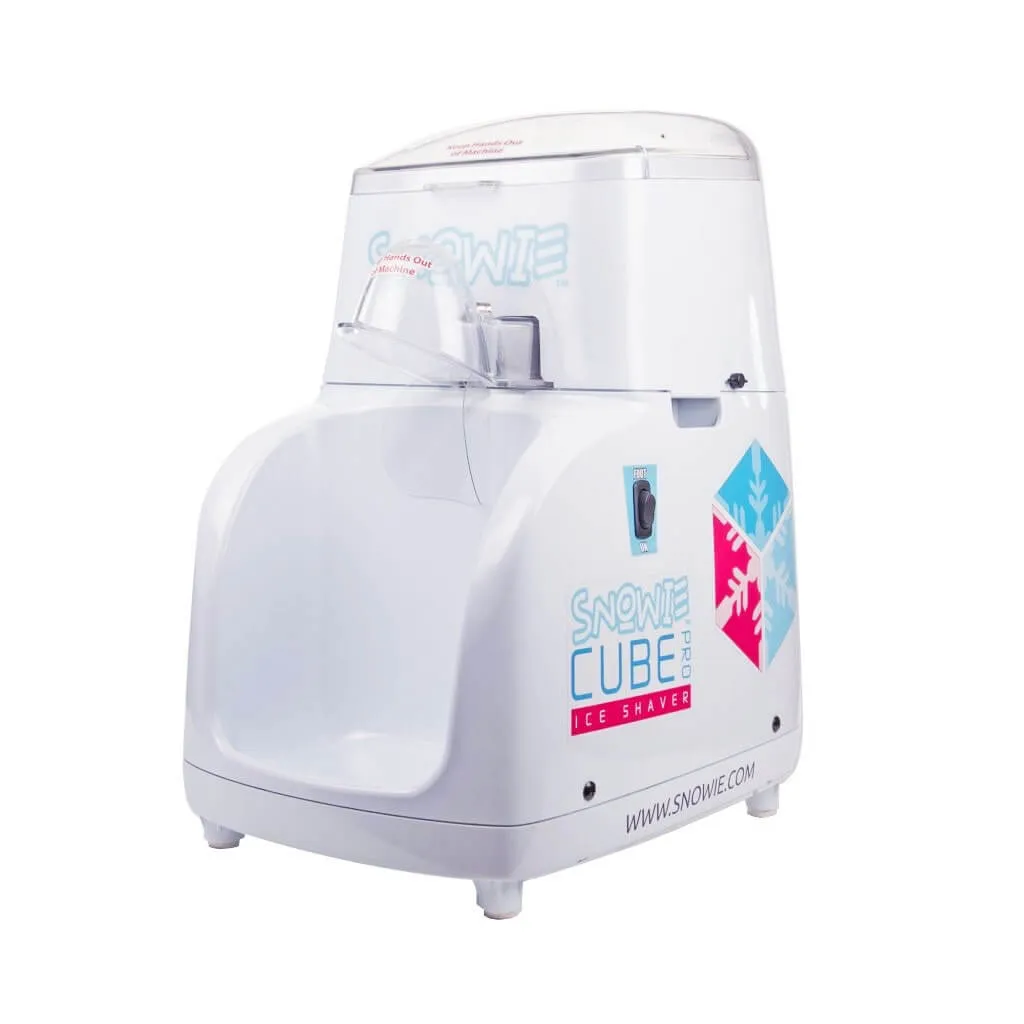
In the next chapter, we’ll explore why understanding your costs, margins, and profitability is one of the most valuable skills any shaved ice business owner can develop—and why ignoring those numbers can quietly destroy an otherwise successful business.
Mistake #3: Not Knowing Your Numbers — Why Busy Doesn’t Always Mean Profitable
Ask a new shaved ice vendor how their weekend went, and you’ll often hear the same response.
“We were busy all day.”
It’s an exciting thing to say.
A constant line of customers feels like success.
Cars filled the parking lot.
Children were laughing.
The syrups were flowing.
The cash drawer was full.
From the outside, it looked like the business had an incredible day.
But here’s the question every experienced entrepreneur eventually learns to ask:
“How much money did you actually make?”
Not how much you sold.
Not how many customers you served.
Not how many cups of shaved ice you handed across the counter.
How much profit did you earn after every expense was paid?
For many first-time vendors, that question is surprisingly difficult to answer.
They know their sales.
They don’t know their business.
And those are two very different things.
One of the easiest traps to fall into is confusing revenue with profit.
Revenue is the money your customers pay you.
Profit is what remains after you’ve paid for everything it took to earn that money.
The difference may sound obvious, but it has ended more small businesses than most people realize.
Imagine you attend a weekend festival and sell $2,500 worth of shaved ice.
On paper, that sounds fantastic.
Friends congratulate you.
Family members tell you the business is taking off.
Social media followers see photos of long lines and assume you’re making a fortune.
What they don’t see are the expenses quietly working in the background.
The vendor fee.
The fuel to tow your trailer.
The bags of ice.
The syrups.
The cups.
The spoons.
The napkins.
The payment processing fees.
The wages for your employees.
The insurance.
The equipment maintenance.
The marketing costs that helped customers find you in the first place.
By the time every expense has been accounted for, the number that actually belongs to your business may look very different.
This isn’t meant to discourage you.
It’s meant to empower you.
Because once you understand your numbers, you stop making guesses.
You start making decisions.
Successful shaved ice vendors know exactly what it costs to serve one customer.
They know how much profit each menu item generates.
They know which events consistently produce strong returns and which ones only create long days with little reward.
That knowledge gives them confidence.
It also gives them something even more valuable.
Control.
Think about two vendors working the exact same event.
Both sell roughly the same number of shaved ice.
Both work equally hard.
At the end of the weekend, one walks away wondering where all the money went.
The other knows exactly how much profit was made, which products sold best, and what adjustments should be made before the next event.
The difference isn’t luck.
The difference is understanding the business behind the business.
One number every vendor should know is the cost of serving a single cup.
That includes far more than just syrup and ice.
It includes the cup itself.
The spoon.
The straw, if you use one.
The napkin.
The lid.
Any toppings.
Even small items that seem insignificant become important when multiplied by hundreds or thousands of customers.
When you know your true cost per serving, pricing becomes much easier.
Instead of copying another vendor’s prices, you build prices that support your own business.
Another mistake new entrepreneurs make is failing to budget for expenses that don’t happen every day.
Equipment eventually needs repairs.
Machines require maintenance.
Trailers need tires.
Generators need servicing.
Signs fade.
Canopies wear out.
These expenses may not appear every weekend, but they are still part of the cost of running a professional business.
Smart vendors prepare for them long before they happen.
Weather is another number many people fail to consider.
A weekend forecast can completely change customer traffic.
That doesn’t mean weather should control your business.
It means your financial planning should leave room for unpredictable days.
One excellent weekend should never convince you to overspend.
Likewise, one slow weekend should never convince you to give up.
Patterns matter more than isolated events.
Keeping accurate records may not be the most exciting part of owning a shaved ice business, but it is one of the most powerful.
Every event tells a story.
How many customers came?
What flavors sold the most?
What time was busiest?
How much inventory remained?
What unexpected expenses appeared?
The more information you collect, the better your future decisions become.
Over time, your business begins teaching you exactly how to become more profitable.
You simply have to listen.
Many successful entrepreneurs schedule time after every event to review their performance.
Not because they enjoy paperwork.
Because they understand that memory fades.
Data doesn’t.
A notebook, spreadsheet, or accounting software can become one of the most valuable tools in your business.
It reveals trends that emotion often hides.
It helps you recognize your strongest events.
It identifies unnecessary spending.
It shows whether your business is improving year after year.
Perhaps the most important lesson of all is this:
Don’t chase sales.
Chase profitable sales.
Selling another fifty cups means very little if those sales barely increase your profit.
On the other hand, making small improvements to pricing, efficiency, or inventory management can dramatically increase what you keep at the end of the day.
The goal isn’t to become obsessed with every penny.
The goal is to respect every dollar.
Every dollar your business earns has a purpose.
Some dollars pay today’s bills.
Some dollars replace tomorrow’s equipment.
Some dollars allow you to expand into bigger opportunities.
Some dollars become the reward for your hard work.
Treat each one accordingly.
The most successful shaved ice vendors are not always the ones with the longest lines.
They’re often the ones who understand exactly how their business makes money.
They know their numbers.
They trust their numbers.
And because of that, they build businesses that grow stronger with every season.
Busy feels good.
Profitable builds freedom.
Always know the difference.
Coming Up Next
Many new vendors believe the biggest events are automatically the best events.
A festival with twenty thousand people sounds impossible to pass up.
But attendance numbers can be deceiving.
In the next chapter, we’ll explore why choosing events based on crowd size alone is one of the most expensive mistakes a shaved ice vendor can make—and how experienced entrepreneurs identify the events that truly put money in their pockets.
Mistake #4: Chasing Big Crowds Instead of Profitable Opportunities
Ask someone who has never operated a shaved ice business where they would want to sell, and you’ll often hear the same answer.
“The biggest festival in town.”
At first, it sounds like the perfect strategy.
If twenty thousand people attend an event, surely thousands of them will want shaved ice.
More people should mean more customers.
More customers should mean more sales.
More sales should mean more profit.
It’s easy to follow that line of thinking because it feels logical.
Unfortunately, business isn’t always logical.
One of the most expensive lessons many shaved ice vendors learn is that large crowds do not automatically create large profits.
In fact, some of the busiest-looking events become some of the least profitable weekends of the entire season.
The crowd wasn’t the problem.
The assumptions were.
Imagine arriving at a major festival that has been advertised for months.
The attendance numbers look incredible.
The vendor fee is high, but you convince yourself it will be worth it because of the sheer number of people expected.
You spend weeks preparing.
You purchase extra supplies.
You hire additional staff.
You bring more inventory than ever before.
Everything feels exciting.
Then the event begins.
Within the first hour, you notice something unexpected.
People are walking quickly from one attraction to another.
Many already have food in their hands.
Several dessert vendors are located within sight of your stand.
Long lines appear—but they’re spread across multiple businesses.
Customers stop, look at your menu, then continue walking.
By the end of the weekend, you’ve worked harder than ever before.
But after paying the vendor fee, additional labor costs, transportation, and inventory expenses, the profit is far smaller than you expected.
Now imagine a completely different event.
A community park hosts its annual family day.
Only a few hundred families attend.
Compared to the giant festival, the crowd seems small.
But families arrive early and stay for hours.
Children spend the afternoon playing games.
Parents relax in lawn chairs while listening to live music.
The atmosphere encourages people to slow down.
The weather is warm.
There is only one shaved ice vendor.
Customers return for a second treat later in the afternoon because they never left the event.
The attendance was smaller.
The opportunity was bigger.
This is the lesson experienced vendors eventually learn.
Not all crowds behave the same way.
Some crowds are moving.
Some crowds are waiting.
Some crowds are shopping.
Some crowds are watching.
Some crowds are spending.
Understanding that difference changes everything.
A successful event isn’t measured by attendance alone.
It’s measured by buying behavior.
Ask yourself a few important questions before committing to any event.
How long will people stay?
Will families be attending?
Will the weather encourage people to buy cold treats?
How many similar vendors will be there?
Where will your stand be located?
Will customers naturally walk past your business, or will they have to search for you?
Sometimes a great location inside a medium-sized event is far more valuable than a poor location inside a massive festival.
Visibility matters.
Convenience matters.
Timing matters.
Another mistake new vendors make is saying yes to every opportunity.
In the beginning, that feels productive.
After all, more events should mean more income.
But experienced business owners understand that every event comes with hidden costs.
Every weekend you commit to one event means saying no to another.
Every vendor fee is an investment.
Every hour spent preparing inventory has value.
Your time is one of the most valuable resources your business owns.
Protect it carefully.
Successful vendors become selective.
They don’t chase every event.
They pursue the right events.
That often means building relationships with organizers over time.
Event organizers notice reliable vendors.
They remember businesses that arrive on time, maintain clean setups, treat guests professionally, and communicate well.
Those relationships often lead to better booth locations, repeat invitations, and opportunities that aren’t widely advertised.
Sometimes your most profitable events won’t be the biggest names on the calendar.
They’ll be the events you’ve earned through consistency and professionalism.
It is also important to understand your ideal customer.
A shaved ice business serving young families may perform exceptionally well at community festivals, school carnivals, youth sports tournaments, and summer celebrations.
That same business might struggle at events where attendees are focused on something entirely different.
The best vendors don’t simply ask,
“How many people will be there?”
They ask,
“How many of those people are likely to become my customers?”
That single question changes how you evaluate every opportunity.
As your business grows, you’ll begin collecting your own data.
You’ll discover which festivals consistently exceed expectations.
You’ll identify the events that look exciting on paper but rarely produce strong profits.
You’ll learn which organizers communicate well, which layouts work best, and which weekends deserve a permanent place on your calendar.
Those lessons become incredibly valuable.
Eventually, your event schedule stops being based on hope.
It becomes based on experience.
There is another important truth many beginners overlook.
Not every opportunity needs to generate immediate profit.
Some events introduce your business to thousands of future customers.
Some create valuable relationships.
Some produce incredible photos and videos for your marketing.
Some lead to private party bookings or corporate events months later.
Success isn’t always measured by what happens during the event itself.
Sometimes the greatest value comes afterward.
The key is making that decision intentionally.
Know why you’re attending.
Know what success looks like before you arrive.
When you understand the purpose of each event, you’re able to judge its value much more accurately.
The best shaved ice vendors don’t build their calendars around the biggest crowds.
They build them around the biggest opportunities.
Those opportunities often look very different.
Sometimes they’re found at a packed county fair.
Sometimes they’re waiting at a neighborhood festival that many vendors overlook.
The wisdom comes from knowing the difference.
Your goal isn’t to stay busy.
Your goal is to stay profitable.
Because a calendar full of the wrong events can keep you working all summer while quietly preventing your business from reaching its true potential.
Choose your events with the same care you choose your equipment.
Both decisions have the power to shape your entire season.
Coming Up Next
Even if you have the best equipment, understand your numbers, and choose outstanding events, there’s another mistake that can quietly hold your business back.
Many shaved ice vendors look almost identical.
The same colors.
The same signs.
The same menu.
The same customer experience.
In the next chapter, we’ll explore why blending in is one of the fastest ways to become forgettable—and how building a memorable brand can turn first-time customers into lifelong fans.
Mistake #5: Looking Like Every Other Shaved Ice Vendor
Imagine you’re walking through a summer festival on a warm Saturday afternoon.
Music is playing.
Children are running between inflatable games.
The smell of barbecue drifts through the air.
Somewhere in the distance, a live band is finishing another song while families wander from booth to booth looking for something fun to eat.
As you make your way through the festival, you notice the first shaved ice stand.
Then another.
Then another.
At first glance, they all seem almost identical.
Bright signs.
Pictures of colorful shaved ice.
Lists of dozens of flavors.
The same folding tables.
The same coolers.
The same promises of the “best shaved ice in town.”
If someone covered the business names, could you honestly tell the difference?
For many customers, the answer is no.
That is one of the biggest challenges facing new shaved ice vendors today.
The product is naturally similar.
Everyone sells flavored shaved ice.
Everyone has popular flavors.
Everyone serves families.
Everyone wants customers to enjoy themselves.
When businesses become too similar, customers often make decisions based on convenience rather than loyalty.
Whichever stand has the shorter line.
Whichever stand they happen to notice first.
Whichever stand is closest.
That’s a difficult way to build a business.
Successful entrepreneurs understand something many beginners overlook.
People rarely become loyal to products.
They become loyal to experiences.
Think about your favorite local restaurant.
Your favorite coffee shop.
Your favorite bakery.
There are probably other businesses nearby selling similar products.
Yet you continue returning to one place.
Why?
It probably isn’t because they’re the only business capable of making coffee or serving dessert.
You return because of how that business makes you feel.
Perhaps the staff remembers your name.
Maybe the atmosphere is welcoming.
Maybe everything feels clean, organized, and professional.
Maybe you’ve never had a bad experience there.
Trust has been built one visit at a time.
The same principle applies to a shaved ice business.
Customers may arrive because they’re craving something cold.
They return because they enjoyed the experience.
Branding is often misunderstood.
Many people think branding begins with a logo.
A color palette.
A catchy slogan.
Those things certainly matter.
But they are only the visible part of a much larger picture.
Your brand is the promise customers believe every time they see your name.
It is the expectation they have before they place an order.
It is the feeling they carry home after they’ve finished their last bite of shaved ice.
Every interaction either strengthens that promise or weakens it.
Your trailer tells a story.
Your uniforms tell a story.
Your menu tells a story.
Your cleanliness tells a story.
The way you greet customers tells a story.
Even the way you solve a problem tells a story.
The question is simple.
Is that story memorable?
Or is it forgettable?
Imagine two shaved ice vendors operating at the same community festival.
The first has good equipment and decent shaved ice.
Employees rarely smile.
The menu is cluttered.
The stand feels disorganized.
Customers receive exactly what they paid for.
Nothing more.
Nothing less.
Now picture the second vendor.
Before customers even reach the counter, they’re greeted with genuine enthusiasm.
The stand is spotless.
The menu is easy to read.
Popular flavors are beautifully displayed.
Children are treated like honored guests.
Parents are thanked for stopping by.
Every customer leaves feeling appreciated.
Which business do you think families are more likely to recommend?
Which business are children more likely to ask for by name next summer?
Which business are event organizers more likely to invite back?
The difference has very little to do with syrup.
It has everything to do with the experience.
One mistake new vendors often make is trying to compete only on price.
They lower prices hoping customers will choose them over competitors.
Sometimes it works.
More often, it begins a race that nobody truly wins.
There will almost always be someone willing to charge less.
But very few businesses are willing to create a better experience.
That is where your greatest opportunity exists.
A memorable brand gives customers reasons to choose you that have nothing to do with being the cheapest.
Professionalism creates confidence.
Consistency builds trust.
Kindness creates loyalty.
Those qualities cannot easily be copied.
Your name also matters more than many people realize.
Think about some of the most successful food businesses you’ve encountered.
Their names are usually simple.
Easy to remember.
Easy to pronounce.
Easy to recommend.
If a customer enjoys your shaved ice today, how easily can they tell a friend about your business tomorrow?
The easier you are to remember, the easier you are to find again.
The same principle applies to your online presence.
Many customers discover businesses long before they attend an event.
They search online.
They browse social media.
They look at photos.
They read reviews.
They decide whether your business feels trustworthy before you’ve ever had the opportunity to meet them.
In today’s world, your digital storefront is often just as important as your physical one.
Your reputation lives in both places.
Consistency is another hallmark of strong brands.
Imagine a family visiting your trailer three times over the summer.
The first visit is excellent.
The second feels average.
The third is disappointing.
Which experience will they remember?
Probably the most recent one.
Customers expect consistency.
They want to know that every visit will deliver the same quality, the same friendliness, and the same professionalism they enjoyed before.
That consistency creates confidence.
Confidence creates loyalty.
Loyalty creates long-term success.
Perhaps the most powerful marketing you will ever have isn’t a paid advertisement.
It’s a parent telling another parent,
“You have to try that shaved ice stand. They were fantastic with our kids.”
Or a teacher recommending your business for the next school carnival.
Or an event organizer saying,
“They’re one of the easiest vendors we’ve ever worked with.”
Those recommendations are earned.
They cannot be purchased.
Every interaction is building your reputation, whether you realize it or not.
Here’s something every new entrepreneur should remember.
Customers don’t compare you to the business you hope to become.
They compare you to every business they’ve ever experienced.
That includes restaurants.
Coffee shops.
Retail stores.
Theme parks.
Food trucks.
Every great customer experience they’ve ever had becomes the standard they’ll unconsciously use to judge yours.
That might sound intimidating.
It’s actually an opportunity.
Because you don’t have to invent an amazing customer experience.
You simply have to pay attention to the businesses that already create one.
Notice how they greet people.
Notice how they solve problems.
Notice how they make customers feel valued.
Then ask yourself a simple question.
“How can I bring that same level of care to my shaved ice business?”
Never forget that people may come for the shaved ice.
But they’ll remember how you made them feel.
That’s what transforms a stand into a brand.
That’s what turns first-time visitors into loyal customers.
And that’s what separates businesses that survive from businesses that become part of their community for years to come.
Coming Up Next
Many new vendors believe that offering more choices automatically creates happier customers.
So they add dozens of flavors, countless toppings, and oversized menus filled with endless combinations.
The result isn’t always excitement.
Often, it’s confusion, slower service, longer lines, and missed sales.
In the next chapter, we’ll explore why an overloaded menu can quietly become one of the biggest obstacles to running a fast, profitable shaved ice business—and how simplicity often creates a better customer experience.
Mistake #6: Believing a Bigger Menu Creates a Better Business
Walk up to the menu of many new shaved ice businesses and you’ll notice something almost immediately.
There are flavors everywhere.
Rows and rows of names cover the menu board.
Blue Raspberry.
Tiger’s Blood.
Cherry.
Watermelon.
Mango.
Cotton Candy.
Pina Colada.
Wedding Cake.
Banana.
Bubble Gum.
Coconut.
Lime.
Passion Fruit.
Dozens more continue down the board until customers are no longer reading—they’re searching.
Then come the toppings.
Gummy bears.
Sour candy.
Cookie crumbles.
Marshmallows.
Cream toppings.
Fruit toppings.
Drizzles.
Extra syrups.
Premium add-ons.
Before long, what should have been a quick, enjoyable purchase begins to feel like studying for an exam.
The customer is no longer excited.
They’re overwhelmed.
This is one of the most common mistakes new shaved ice vendors make.
They believe offering more choices automatically creates more sales.
It sounds logical.
After all, if customers have more options, more people should find something they like.
But human psychology often works in the opposite direction.
Researchers have spent years studying what happens when people are presented with too many choices.
Again and again, they found a surprising pattern.
When options become excessive, people take longer to decide.
Some choose the safest option instead of trying something new.
Others become frustrated.
Some even walk away without making a decision at all.
This is known as choice overload, and it affects businesses in almost every industry.
Shaved ice is no exception.
Now imagine you’re working a busy county fair on one of the hottest afternoons of the year.
The line continues growing.
Families are waiting.
Children are excited.
Everyone wants something cold.
The faster your line moves, the more customers you can serve.
Then someone reaches the front of the line.
They stare at the menu.
They begin reading every single flavor.
They ask which ones taste good together.
Their children disagree about what they want.
Several minutes pass.
Meanwhile, ten more families have joined the line behind them.
Those few extra minutes may not seem important.
But repeat that process dozens of times throughout the day, and you’ve lost a significant amount of serving time.
Every delay affects the customer behind them.
Longer lines often lead to fewer sales.
The businesses that appear busiest aren’t always the ones serving the most customers.
Sometimes they’re simply serving customers more slowly.
Experienced vendors understand something that beginners often overlook.
Your menu is not just a list of products.
It is a tool.
A well-designed menu helps customers make decisions quickly and confidently.
It guides them toward popular choices.
It reduces confusion.
It keeps your operation moving efficiently, even during your busiest hours.
That doesn’t mean you should only offer five flavors.
Customers enjoy variety.
Variety is part of the fun.
The goal is thoughtful variety, not unlimited variety.
Instead of trying to offer every flavor imaginable, identify the ones your customers love most.
Keep your classics.
Add a few exciting seasonal favorites.
Introduce limited-time specials that create curiosity.
When every flavor earns its place on the menu, your operation becomes easier to manage and more profitable.
There is another advantage to simplifying your menu.
Inventory becomes much easier to control.
Every additional syrup you carry requires storage space.
It ties up money.
It increases the chance that products expire before they’re used.
It adds complexity to ordering and organization.
A streamlined menu often creates a streamlined business.
Successful vendors also understand the power of recommendations.
Many customers don’t know what Tiger’s Blood tastes like.
They’ve heard the name, but they’re hesitant to order something unfamiliar.
This is where a thoughtfully designed menu becomes incredibly valuable.
Highlight customer favorites.
Feature “Most Popular” combinations.
Create signature creations with memorable names.
Instead of asking customers to build everything from scratch, give them delicious starting points.
People appreciate guidance.
In fact, many are relieved when someone helps narrow the choices.
Think about the last time you visited a restaurant with an enormous menu.
Did you carefully study every item?
Or did you look for the section marked “Chef’s Favorites” or ask the server what they recommended?
Most people enjoy recommendations because they reduce uncertainty.
Your shaved ice menu should do the same.
Another overlooked benefit of a focused menu is consistency.
When your team prepares the same popular combinations regularly, they become faster.
They become more accurate.
The presentation becomes more consistent.
Customers receive the same quality every time they visit.
Consistency builds trust.
Trust builds loyalty.
Loyal customers become repeat customers.
Repeat customers become ambassadors for your business.
There is also a financial side to menu design that many new entrepreneurs never consider.
Not every flavor sells equally well.
Some syrups become customer favorites.
Others sit on the shelf for weeks.
Every bottle that rarely gets used represents money that could have been invested elsewhere.
Successful vendors pay attention to these patterns.
They know which flavors deserve permanent space on the menu and which ones are better offered only during special promotions.
Your menu should evolve with your business.
It should reflect real customer preferences—not assumptions.
One of the smartest habits you can develop is listening.
When customers repeatedly ask for a flavor you don’t offer, pay attention.
When certain menu items consistently outperform others, notice the trend.
When a seasonal special becomes unexpectedly popular, consider whether it deserves a permanent place.
Your customers will quietly tell you how to improve your menu if you’re willing to listen.
Never forget that people visit your stand for enjoyment.
They aren’t looking for a complicated ordering experience.
They want something refreshing.
Something delicious.
Something fun.
The easier you make that decision, the happier they’ll be.
The best menus don’t impress customers with endless choices.
They impress customers by making great choices feel effortless.
That’s the difference between serving shaved ice and designing a customer experience.
One creates transactions.
The other creates loyal fans.
Because at the end of the day, customers rarely remember how many flavors you offered.
They remember how easy it was to order, how quickly they were served, and how much they enjoyed every bite.
Simplicity is not a limitation.
When done well, it’s a competitive advantage.
Coming Up Next
You can have the right equipment.
You can understand your numbers.
You can choose profitable events.
You can build a memorable brand and create an outstanding menu.
But if customers don’t enjoy interacting with your business, none of those advantages will matter for long.
In the next chapter, we’ll explore one of the most overlooked aspects of building a successful shaved ice business: creating an experience that customers can’t wait to tell other people about.
Mistake #7: Forgetting That You’re Selling an Experience, Not Just Shaved Ice
Ask someone what they bought at a festival last summer, and there’s a good chance they won’t remember every detail.
They may not remember exactly how much they paid.
They may not remember the size of the cup.
They may not even remember every flavor they tried.
But there’s something they are far more likely to remember.
How they felt.
Human beings remember experiences far longer than they remember transactions.
Think back to the best customer service you’ve ever received.
It might have been at a restaurant where the staff made you feel genuinely welcome.
It might have been at a small family-owned business where someone remembered your name after only one visit.
Or perhaps it was a company that solved a problem so quickly and professionally that you became a customer for life.
Years later, you probably remember that feeling far more clearly than the product itself.
The same thing happens every single day in the shaved ice business.
Customers certainly come because they want something cold and refreshing.
But the reason they return often has very little to do with the ice.
It has everything to do with the experience surrounding it.
Imagine two vendors serving exactly the same shaved ice.
Both use quality syrup.
Both shave the ice perfectly.
Both charge similar prices.
If you looked only at the product, there would be very little separating them.
Now look beyond the product.
At the first stand, the employee barely looks up from the counter.
The greeting is rushed.
Questions are answered with one-word responses.
The customer receives their order without so much as a smile.
Nothing terrible happened.
But nothing memorable happened either.
Now picture the second stand.
Before the customer even reaches the counter, someone smiles and says,
“Hi! Welcome! How’s your day going?”
A young child can’t decide between two flavors, so the employee patiently helps them choose instead of rushing them.
A parent accidentally drops a spoon, and another one is handed over immediately with a smile.
As the family walks away, they’re thanked for stopping by and invited to come back later if they want to try another flavor.
The shaved ice may have been nearly identical.
The experience wasn’t.
One business completed a sale.
The other created a memory.
That difference is more valuable than many entrepreneurs realize.
Customers naturally tell stories.
They rarely tell friends,
“The syrup-to-ice ratio was excellent.”
They say things like,
“The people there were so friendly.”
“They were amazing with the kids.”
“You have to try that shaved ice stand.”
Those conversations are marketing.
And unlike paid advertising, they’re built on trust.
Word-of-mouth remains one of the most powerful ways any small business can grow.
But word-of-mouth doesn’t happen by accident.
It is earned through consistent experiences that people genuinely want to share.
One of the easiest ways to improve customer experience is surprisingly simple.
Be fully present.
When someone walks up to your stand, stop thinking about the last customer and give your attention to the one standing in front of you.
Make eye contact.
Smile naturally.
Listen carefully.
Treat every interaction as if it’s the first impression your business will ever make.
Because for that customer, it is.
Children deserve special attention as well.
Few businesses have the privilege of serving so many families.
For many children, buying shaved ice is one of the highlights of a summer festival.
They’re excited.
They’re curious.
Sometimes they’re shy.
Sometimes they change their minds halfway through ordering.
It’s easy to become impatient when there’s a long line behind them.
The best vendors resist that temptation.
Instead, they recognize something important.
That child may not remember the event five years from now.
But they may remember the person who treated them with kindness.
Parents notice those moments.
And parents remember businesses that make their children feel special.
Customer experience also includes the details many people never consciously notice.
A clean counter.
Clearly labeled menus.
Employees with neat appearances.
An organized workspace.
Fast service.
Fresh supplies.
These things quietly communicate professionalism.
Customers may never compliment your organization.
But they absolutely notice when it’s missing.
There will also be moments when things don’t go according to plan.
A customer receives the wrong flavor.
A payment terminal temporarily stops working.
A long line develops because several large families arrive at once.
These moments don’t define your business.
How you respond to them does.
Every business makes mistakes.
Successful businesses recover gracefully.
A sincere apology.
A quick solution.
A calm attitude.
Those simple responses often leave customers more impressed than if nothing had gone wrong at all.
Some entrepreneurs spend thousands of dollars searching for better marketing.
They redesign logos.
They print new banners.
They experiment with advertising campaigns.
Meanwhile, they overlook the most effective marketing tool already standing behind the counter.
Their people.
A friendly employee can create more loyal customers than an expensive advertising campaign ever will.
That’s because people connect with people.
Technology can make ordering easier.
Equipment can improve efficiency.
Marketing can attract attention.
But genuine hospitality creates relationships.
Those relationships become the foundation of every lasting business.
As your shaved ice business grows, never allow growth to reduce the quality of your customer experience.
Adding another trailer.
Hiring more employees.
Serving larger events.
These are exciting milestones.
But they also create new challenges.
Every employee becomes an ambassador for your brand.
Every interaction influences your reputation.
That means customer service cannot depend on luck.
It must become part of your culture.
Train it.
Practice it.
Reward it.
Protect it.
Your customers deserve consistency whether they’re visiting your original cart or your tenth trailer.
Perhaps the greatest compliment any shaved ice business can receive isn’t,
“Your shaved ice tastes amazing.”
It’s,
“We came back because of the way you treated us.”
That sentence represents something incredibly valuable.
Trust.
Trust creates loyalty.
Loyalty creates repeat business.
Repeat business creates stability.
And stability creates businesses that last for generations.
Never underestimate the value of making someone feel welcome.
Long after the syrup has melted and the cup has been thrown away, the feeling you created may still remain.
That is the true product your business offers.
The shaved ice simply delivers it.
Coming Up Next
Even businesses that provide outstanding customer service can struggle if they aren’t prepared for success.
Busy weekends are exciting—but they can quickly become overwhelming without the right systems in place.
In the next chapter, we’ll explore why failing to prepare for your busiest days can quietly limit your profits, frustrate customers, and create unnecessary stress—and how the best vendors stay calm even when the line seems endless.
Mistake #8: Preparing for Average Days Instead of Your Busiest Ones
Every shaved ice vendor dreams about having a long line.
When you’re first starting your business, it’s easy to imagine what success looks like.
A steady stream of customers.
A busy afternoon.
The sound of ice being shaved almost nonstop.
Children excitedly pointing at the menu while parents decide what flavors to order.
It’s a picture every entrepreneur hopes will become reality.
Until it actually happens.
Because a busy day doesn’t just test your equipment.
It tests your preparation.
Many new vendors spend weeks planning how to start their business.
Far fewer spend enough time planning what happens when the business becomes busier than expected.
Ironically, success itself can become a problem if you’re not ready for it.
Imagine arriving at a county fair on a perfect summer afternoon.
The weather is exactly what every shaved ice vendor hopes for.
The sky is clear.
The sun is shining.
Temperatures are climbing.
Within an hour of opening, a line begins forming.
Then another family joins.
Then five more.
Before you know it, twenty people are waiting.
This should be one of the best moments of your season.
Instead, it quickly becomes stressful.
Someone realizes you’re running low on one of your most popular syrups.
Another employee can’t find extra spoons because they were packed in the wrong container.
The ice you’re using is disappearing faster than anyone expected.
Customers begin asking questions while your team is trying to catch up with existing orders.
The payment terminal briefly loses its connection.
The line slows.
People start looking at their watches.
Some leave before reaching the counter.
The opportunity you spent months preparing for begins slipping away—not because demand disappeared, but because preparation did.
One of the biggest misconceptions in business is that being busy automatically leads to success.
It doesn’t.
Being prepared for busy leads to success.
The busiest moments of your season reveal every weakness in your operation.
If your setup is disorganized, busy days expose it.
If your inventory planning is weak, busy days expose it.
If your workflow is confusing, busy days expose it.
If communication within your team is poor, busy days expose it.
Pressure has a way of revealing the truth.
That’s why experienced vendors prepare differently.
They don’t build systems for average weekends.
They build systems for exceptional ones.
They ask questions long before the first customer arrives.
What happens if we sell twice as much as expected?
Where are the backup supplies located?
Who is responsible for restocking?
How quickly can we replace ice?
What happens if a machine needs attention?
Who greets customers while another employee prepares orders?
These questions may seem unnecessary on a quiet afternoon.
They’re invaluable on a busy Saturday.
Preparation begins before your trailer ever leaves home.
Every item should have a place.
Every supply should be easy to find.
When your team knows exactly where cups, lids, syrups, napkins, and cleaning supplies are stored, small tasks take seconds instead of minutes.
Those seconds matter.
They add up throughout the day.
They keep your line moving.
They reduce frustration.
They create a smoother experience for everyone involved.
One habit shared by many successful vendors is using checklists.
Pilots use them.
Surgeons use them.
Professional sports teams use them.
Not because they don’t know what to do.
Because they understand that memory becomes less reliable under pressure.
A simple checklist before leaving for an event can prevent expensive mistakes.
Did we load enough cups?
Do we have backup syrup pumps?
Are payment devices charged?
Is every extension cord packed?
Do we have enough change?
Are extra towels available?
Has every machine been tested?
These questions take only a few minutes to answer.
Ignoring them can cost an entire day’s revenue.
Inventory planning is another area where many beginners underestimate demand.
It’s natural to estimate based on what you hope will happen.
Professional vendors estimate based on what could happen.
Running out of supplies during your busiest event isn’t a sign of success.
It’s a sign that future sales are walking away.
Every customer you cannot serve is an opportunity lost.
Preparing for higher demand doesn’t mean wasting money.
It means understanding your business well enough to recognize realistic possibilities.
Your team also deserves preparation.
Even if you’re operating with family members or close friends, don’t assume everyone naturally understands their responsibilities.
Discuss roles before the event begins.
Who takes orders?
Who prepares shaved ice?
Who restocks supplies?
Who watches inventory?
Who solves customer concerns?
Clear responsibilities eliminate confusion when things become busy.
Communication is another hidden advantage.
The strongest teams don’t wait until there’s a problem to start talking.
They communicate constantly.
A simple reminder that a syrup bottle is almost empty.
A quick update that more ice is needed.
A heads-up that a large group has just entered the event.
These small conversations allow problems to be solved before customers ever notice them.
Preparation also includes your mindset.
Busy days can feel overwhelming.
Lines become longer.
Questions come faster.
Mistakes become more tempting.
The best vendors learn to slow themselves down mentally, even when business speeds up around them.
They stay calm.
They trust their systems.
They focus on one customer at a time.
Customers notice confidence.
They also notice panic.
Your attitude influences the entire atmosphere around your stand.
Remember that every person waiting in line has chosen to spend part of their day—and part of their money—with your business.
That trust deserves your best effort.
Even when you’re busy.
Especially when you’re busy.
At the end of every successful season, experienced vendors often realize something surprising.
Their best weekends weren’t always the easiest.
They were the ones that demanded the most preparation.
The long lines everyone celebrates are earned long before opening day.
They’re earned through planning.
Through organization.
Through practice.
Through systems.
Success isn’t just measured by how many customers you attract.
It’s measured by how well you’re prepared to serve them once they arrive.
That’s the difference between hoping for a busy day and being ready for one.
And in this business, readiness is often the difference between a stressful event and your most profitable weekend of the year.
Coming Up Next
There is one mistake that quietly limits more shaved ice businesses than almost any other.
It isn’t equipment.
It isn’t pricing.
It isn’t marketing.
It’s mindset.
In the next chapter, we’ll explore why treating your shaved ice operation like a hobby instead of a real business can hold back your growth—and how adopting a professional mindset changes every decision you make.
Mistake #8: Preparing for Average Days Instead of Your Busiest Ones
Every shaved ice vendor dreams about having a long line.
When you’re first starting your business, it’s easy to imagine what success looks like.
A steady stream of customers.
A busy afternoon.
The sound of ice being shaved almost nonstop.
Children excitedly pointing at the menu while parents decide what flavors to order.
It’s a picture every entrepreneur hopes will become reality.
Until it actually happens.
Because a busy day doesn’t just test your equipment.
It tests your preparation.
Many new vendors spend weeks planning how to start their business.
Far fewer spend enough time planning what happens when the business becomes busier than expected.
Ironically, success itself can become a problem if you’re not ready for it.
Imagine arriving at a county fair on a perfect summer afternoon.
The weather is exactly what every shaved ice vendor hopes for.
The sky is clear.
The sun is shining.
Temperatures are climbing.
Within an hour of opening, a line begins forming.
Then another family joins.
Then five more.
Before you know it, twenty people are waiting.
This should be one of the best moments of your season.
Instead, it quickly becomes stressful.
Someone realizes you’re running low on one of your most popular syrups.
Another employee can’t find extra spoons because they were packed in the wrong container.
The ice you’re using is disappearing faster than anyone expected.
Customers begin asking questions while your team is trying to catch up with existing orders.
The payment terminal briefly loses its connection.
The line slows.
People start looking at their watches.
Some leave before reaching the counter.
The opportunity you spent months preparing for begins slipping away—not because demand disappeared, but because preparation did.
One of the biggest misconceptions in business is that being busy automatically leads to success.
It doesn’t.
Being prepared for busy leads to success.
The busiest moments of your season reveal every weakness in your operation.
If your setup is disorganized, busy days expose it.
If your inventory planning is weak, busy days expose it.
If your workflow is confusing, busy days expose it.
If communication within your team is poor, busy days expose it.
Pressure has a way of revealing the truth.
That’s why experienced vendors prepare differently.
They don’t build systems for average weekends.
They build systems for exceptional ones.
They ask questions long before the first customer arrives.
What happens if we sell twice as much as expected?
Where are the backup supplies located?
Who is responsible for restocking?
How quickly can we replace ice?
What happens if a machine needs attention?
Who greets customers while another employee prepares orders?
These questions may seem unnecessary on a quiet afternoon.
They’re invaluable on a busy Saturday.
Preparation begins before your trailer ever leaves home.
Every item should have a place.
Every supply should be easy to find.
When your team knows exactly where cups, lids, syrups, napkins, and cleaning supplies are stored, small tasks take seconds instead of minutes.
Those seconds matter.
They add up throughout the day.
They keep your line moving.
They reduce frustration.
They create a smoother experience for everyone involved.
One habit shared by many successful vendors is using checklists.
Pilots use them.
Surgeons use them.
Professional sports teams use them.
Not because they don’t know what to do.
Because they understand that memory becomes less reliable under pressure.
A simple checklist before leaving for an event can prevent expensive mistakes.
Did we load enough cups?
Do we have backup syrup pumps?
Are payment devices charged?
Is every extension cord packed?
Do we have enough change?
Are extra towels available?
Has every machine been tested?
These questions take only a few minutes to answer.
Ignoring them can cost an entire day’s revenue.
Inventory planning is another area where many beginners underestimate demand.
It’s natural to estimate based on what you hope will happen.
Professional vendors estimate based on what could happen.
Running out of supplies during your busiest event isn’t a sign of success.
It’s a sign that future sales are walking away.
Every customer you cannot serve is an opportunity lost.
Preparing for higher demand doesn’t mean wasting money.
It means understanding your business well enough to recognize realistic possibilities.
Your team also deserves preparation.
Even if you’re operating with family members or close friends, don’t assume everyone naturally understands their responsibilities.
Discuss roles before the event begins.
Who takes orders?
Who prepares shaved ice?
Who restocks supplies?
Who watches inventory?
Who solves customer concerns?
Clear responsibilities eliminate confusion when things become busy.
Communication is another hidden advantage.
The strongest teams don’t wait until there’s a problem to start talking.
They communicate constantly.
A simple reminder that a syrup bottle is almost empty.
A quick update that more ice is needed.
A heads-up that a large group has just entered the event.
These small conversations allow problems to be solved before customers ever notice them.
Preparation also includes your mindset.
Busy days can feel overwhelming.
Lines become longer.
Questions come faster.
Mistakes become more tempting.
The best vendors learn to slow themselves down mentally, even when business speeds up around them.
They stay calm.
They trust their systems.
They focus on one customer at a time.
Customers notice confidence.
They also notice panic.
Your attitude influences the entire atmosphere around your stand.
Remember that every person waiting in line has chosen to spend part of their day—and part of their money—with your business.
That trust deserves your best effort.
Even when you’re busy.
Especially when you’re busy.
At the end of every successful season, experienced vendors often realize something surprising.
Their best weekends weren’t always the easiest.
They were the ones that demanded the most preparation.
The long lines everyone celebrates are earned long before opening day.
They’re earned through planning.
Through organization.
Through practice.
Through systems.
Success isn’t just measured by how many customers you attract.
It’s measured by how well you’re prepared to serve them once they arrive.
That’s the difference between hoping for a busy day and being ready for one.
And in this business, readiness is often the difference between a stressful event and your most profitable weekend of the year.
Coming Up Next
There is one mistake that quietly limits more shaved ice businesses than almost any other.
It isn’t equipment.
It isn’t pricing.
It isn’t marketing.
It’s mindset.
In the next chapter, we’ll explore why treating your shaved ice operation like a hobby instead of a real business can hold back your growth—and how adopting a professional mindset changes every decision you make.
Mistake #9: Treating Your Shaved Ice Business Like a Summer Hobby Instead of a Real Business
Almost every successful business begins with excitement.
The first piece of equipment arrives.
The trailer is cleaned and decorated.
The syrups are lined up neatly on the shelf.
Friends and family stop by to admire your setup and tell you how great everything looks.
The excitement is contagious.
For many new entrepreneurs, it feels like the beginning of something special.
And it is.
But excitement alone has never built a lasting business.
There comes a moment in every entrepreneur’s journey when enthusiasm must give way to discipline.
That moment often determines whether a shaved ice business becomes a seasonal hobby or a company that grows year after year.
The difference isn’t always obvious.
Both businesses may sell excellent shaved ice.
Both may attend local events.
Both may have loyal customers.
From the outside, they can look almost identical.
Behind the scenes, however, they operate in completely different ways.
A hobby asks,
“How much money can I make this weekend?”
A business asks,
“What decisions today will make this company stronger five years from now?”
That single shift in thinking changes everything.
Professional business owners don’t simply show up to events.
They prepare.
They plan.
They review what worked and what didn’t.
They look for ways to improve after every weekend.
They understand that success is rarely created by one outstanding event.
It’s created by hundreds of small decisions made consistently over time.
One of the first habits that separates professionals from hobbyists is treating time as one of their most valuable assets.
Every hour matters.
Time spent organizing inventory.
Time spent maintaining equipment.
Time spent answering customer inquiries.
Time spent improving marketing.
Time spent learning new skills.
None of these activities directly produce a sale in that moment.
Yet all of them contribute to future success.
Professional entrepreneurs understand that not every important task produces immediate results.
Some investments pay dividends months—or even years—later.
Financial discipline is another major difference.
A hobby often spends whatever money is left after an event.
A business gives every dollar a purpose.
Some revenue pays operating expenses.
Some replaces aging equipment.
Some builds an emergency reserve for unexpected repairs.
Some funds future growth.
Some becomes the owner’s income.
Without a plan, even profitable businesses can struggle.
With a plan, modest profits can become the foundation for something much larger.
Another characteristic of professional business owners is consistency.
They don’t depend on motivation.
They build routines.
Equipment is cleaned after every event.
Inventory is checked before supplies run low.
Customer messages are answered promptly.
Maintenance happens before breakdowns occur.
These habits aren’t glamorous.
Most customers never see them.
But they are the invisible systems supporting every successful operation.
Documentation is another area many beginners overlook.
Professional businesses keep records.
They know where important documents are stored.
They maintain organized financial information.
They understand permits, licenses, insurance policies, and tax obligations.
These responsibilities may not be exciting, but they create stability.
A well-organized business is far better prepared for growth than one built on memory alone.
Marketing also reflects this mindset.
A hobby waits for customers to appear.
A business actively builds relationships.
It stays connected with customers through social media.
It shares photos from events.
It celebrates community partnerships.
It reminds people where the trailer will be next weekend.
Successful businesses understand that every interaction strengthens their presence within the community.
Professionalism also appears in the smallest details.
Arriving early.
Keeping promises.
Responding respectfully to criticism.
Following through on commitments.
Leaving event spaces cleaner than they were found.
These actions may seem minor individually.
Together, they become your reputation.
And reputation is one of the few business assets that becomes more valuable with time.
Another important mindset shift is learning to think beyond the current season.
Many new vendors focus only on surviving this summer.
Experienced entrepreneurs are already planning for next year.
They’re evaluating which festivals to book.
Researching new equipment.
Exploring additional revenue opportunities.
Strengthening relationships with event organizers.
Thinking ahead allows them to make better decisions today.
Growth becomes intentional instead of accidental.
Professional business owners also invest in themselves.
They read.
They learn.
They attend industry events.
They study customer behavior.
They ask questions.
They seek advice from people who have already achieved what they’re working toward.
The most successful entrepreneurs never stop being students.
There is always another lesson to learn.
Another skill to develop.
Another system to improve.
Perhaps the greatest difference between a hobby and a business is resilience.
Every entrepreneur experiences disappointing weekends.
Unexpected repairs.
Poor weather.
Cancelled events.
Slow sales.
Negative reviews.
These moments are frustrating.
But professionals don’t allow temporary setbacks to define their future.
They ask better questions.
“What can I learn?”
“What should I improve?”
“How can I prevent this next time?”
That mindset transforms obstacles into education.
Over time, those lessons become one of your greatest competitive advantages.
One of the most rewarding aspects of treating your shaved ice operation like a real business is discovering how much confidence it creates.
You stop hoping things work out.
You begin trusting your preparation.
You stop reacting to problems.
You start preventing them.
You stop wondering whether you’re building something meaningful.
You begin seeing evidence that you are.
Remember why you started.
Perhaps it was to earn extra income.
To spend more time with your family.
To create financial independence.
To build something your children could one day continue.
Those dreams deserve more than casual effort.
They deserve professional commitment.
Because businesses capable of changing lives are rarely built by accident.
They’re built by ordinary people who decide to approach ordinary opportunities with extraordinary consistency.
Treat your shaved ice business with the respect it deserves.
If you do, your customers will too.
And over time, your business will grow into something far greater than a seasonal operation.
It will become a trusted part of your community, a source of pride for your family, and a legacy built one customer, one event, and one summer at a time.
Coming Up Next
Many entrepreneurs dream about expanding.
A second trailer.
More employees.
Larger festivals.
Multiple locations.
Growth is exciting—but it can also become dangerous if it happens before your business is truly ready.
In our final mistake, we’ll explore why growing too quickly without strong systems is one of the fastest ways to create unnecessary stress, inconsistent customer experiences, and financial setbacks—and how the most successful shaved ice businesses scale with confidence instead of chaos.
Mistake #10: Growing Faster Than Your Business Is Ready For
For many entrepreneurs, growth feels like the ultimate measure of success.
A second trailer.
A larger team.
More events.
More revenue.
More customers.
From the outside, these milestones look like proof that a business is thriving.
And often, they are.
But there is a side of growth that people rarely talk about.
Growth magnifies everything.
If your systems are strong, growth makes them even stronger.
If your systems are weak, growth exposes every weakness you’ve been able to hide.
That’s why expanding too early has quietly become one of the most expensive mistakes a shaved ice business can make.
It usually begins with excitement.
Your first season goes well.
Customers leave glowing reviews.
Event organizers invite you back.
Your calendar fills faster than expected.
Naturally, you begin asking yourself the next question.
“Should I buy another trailer?”
“Should I hire more employees?”
“Should I start serving two events at the same time?”
These are exciting questions.
They’re also some of the most important decisions you’ll ever make.
Because growth isn’t just about serving more customers.
It’s about serving more customers without sacrificing the quality that made people love your business in the first place.
Imagine your original trailer has built an outstanding reputation.
Customers know your name.
They trust your service.
They recommend you to friends.
Every event organizer enjoys working with your team.
Now imagine adding a second trailer before your systems are ready.
You suddenly need more inventory.
More employees.
More equipment.
More maintenance.
More scheduling.
More communication.
More responsibility.
Problems that were once small become much larger.
A missed supply order doesn’t affect one trailer anymore.
It affects two.
An employee calling in sick creates twice the disruption.
A breakdown in communication no longer frustrates one customer.
It affects dozens.
Expansion didn’t create the problems.
It revealed them.
This is why experienced entrepreneurs often say that systems should grow before businesses do.
Every successful operation depends on repeatable processes.
How are employees trained?
How is inventory tracked?
How are customer complaints handled?
Who orders supplies?
Who performs equipment maintenance?
What happens if the owner isn’t present?
If those questions don’t have clear answers, growth often creates confusion instead of opportunity.
One of the greatest compliments a business can receive is this:
“Everything runs smoothly, even when the owner isn’t here.”
That sentence represents freedom.
It means the business has become larger than one person’s daily effort.
It means systems are doing the work they were designed to do.
Many first-time entrepreneurs believe they need to be everywhere at once.
They answer every question.
Solve every problem.
Make every decision.
At first, that’s understandable.
Your business is your responsibility.
But if every decision depends on you forever, your business can only grow as fast as one person can work.
Eventually, growth requires trust.
Trust in your systems.
Trust in your employees.
Trust in the standards you’ve worked so hard to establish.
Delegation is not losing control.
It’s creating capacity.
The goal isn’t simply to add more locations.
The goal is to multiply the same great experience in every location your customers encounter.
That only happens when expectations are clear and consistency becomes part of your culture.
Financial readiness matters just as much as operational readiness.
Buying another trailer because business feels busy is different from buying one because your financial records prove the investment makes sense.
Growth should be supported by evidence, not excitement.
Healthy businesses expand from strength.
Struggling businesses often expand hoping growth will solve problems that already exist.
Unfortunately, it rarely does.
If one trailer isn’t consistently profitable, adding a second trailer usually creates larger versions of the same challenges.
Fix the foundation first.
Then build higher.
There is another form of growth that many entrepreneurs overlook.
Improving the business you already have.
Serving customers faster.
Increasing repeat visits.
Strengthening relationships with event organizers.
Improving online reviews.
Enhancing team training.
Introducing seasonal specialties.
These improvements may not attract the same attention as opening another location, but they often produce even greater long-term value.
Sometimes the smartest way to grow isn’t by becoming bigger.
It’s by becoming better.
Another sign that you’re ready to expand is when your current operation consistently performs well without constant emergencies.
Your team knows what to do.
Your inventory stays organized.
Your equipment is maintained.
Your financial records are accurate.
Your customer experience remains consistent.
Growth becomes far less risky when excellence has become routine.
It’s also important to remember that every new employee becomes part of your reputation.
Customers don’t distinguish between “the owner’s trailer” and “the new trailer.”
To them, it’s all the same business.
Every interaction shapes the public’s perception of your brand.
That’s why training isn’t optional.
It’s essential.
Teach your team not only how to prepare shaved ice but also how to greet customers, solve problems, maintain cleanliness, and represent your business with professionalism.
The standards you accept become the standards your customers experience.
Never compromise them simply because you’re growing.
One of the most inspiring aspects of entrepreneurship is realizing that growth doesn’t have to happen all at once.
Some of the strongest businesses in the industry expanded one thoughtful step at a time.
One trailer became two.
Two became three.
One employee became a trusted team.
One successful season became many.
Their success wasn’t built on speed.
It was built on consistency.
As you dream about the future of your shaved ice business, allow those dreams to inspire you.
But don’t let them rush you.
The strongest trees don’t become tall overnight.
They spend years building roots that nobody can see.
Your business deserves the same patience.
Every lesson you’ve learned throughout this guide has been preparing you for this moment.
Knowing your numbers.
Choosing the right events.
Building a memorable brand.
Creating remarkable customer experiences.
Investing wisely.
Preparing for busy days.
Thinking like a professional.
These aren’t separate ideas.
They’re the roots that support healthy growth.
Build them well, and expansion becomes an exciting opportunity rather than a stressful gamble.
Because success isn’t measured by how quickly your business grows.
It’s measured by how well your business continues serving people as it grows.
Grow with purpose.
Grow with patience.
Grow with systems.
And when the time comes to take that next step, you’ll do so with confidence—not because you’re chasing growth, but because you’ve earned it.
Final Thoughts: The Vendors Who Succeed Aren’t the Ones Who Never Make Mistakes
If you’ve made one—or several—of the mistakes in this guide, don’t be discouraged.
In fact, you’re in good company.
Every experienced entrepreneur can look back and point to decisions they wish they could make differently.
A trailer they bought too soon.
An event they should have skipped.
A piece of equipment they should have invested in.
A customer they could have served better.
A lesson they learned the hard way.
Mistakes are part of business.
They always have been.
The goal has never been perfection.
The goal is progress.
What separates successful shaved ice vendors isn’t that they avoid every setback.
It’s that they learn from every setback.
They stay curious.
They stay humble.
They keep improving.
And they never lose sight of why they started.
If you’re reading this because you’re thinking about launching a shaved ice business, take encouragement from one simple truth:
Every thriving business you admire today was once brand new.
Someone stood where you’re standing now.
Someone wondered if they were making the right decision.
Someone questioned whether they were ready.
Yet they took the next step.
Not because success was guaranteed.
But because they believed it was possible.
You don’t need to know everything before you begin.
You simply need to commit to learning, improving, and serving people well.
The skills will grow.
Your confidence will grow.
Your experience will grow.
And if you continue making thoughtful decisions, your business can grow too.
Remember that you’re not just selling flavored ice.
You’re creating smiles on hot summer afternoons.
You’re becoming part of birthday celebrations, school carnivals, county fairs, neighborhood festivals, church events, youth sports tournaments, family reunions, and countless moments that people will remember long after the last bite has melted.
That’s something worth building.
So dream boldly.
Plan carefully.
Work consistently.
Serve generously.
Learn constantly.
And never stop improving.
The next great shaved ice business could very well be yours.
One customer.
One event.
One unforgettable summer at a time.
